When I first set up a blog, I was diligent about keeping a record of what I read. Then life intervened, I forgot to renew the hosting, and the old blog vanished. I only put the site back together last year. In the meantime, I had read quite a few books I genuinely liked, and the longer I let them pile up, the harder it became to go back and summarize everything from the beginning.
There were really only two options: treat the past as dead and move on, or salvage what I could, little by little.
The title already gives away which option won for now, though I reserve the right to switch sides at any moment.
Go Set a Watchman
by Harper Lee
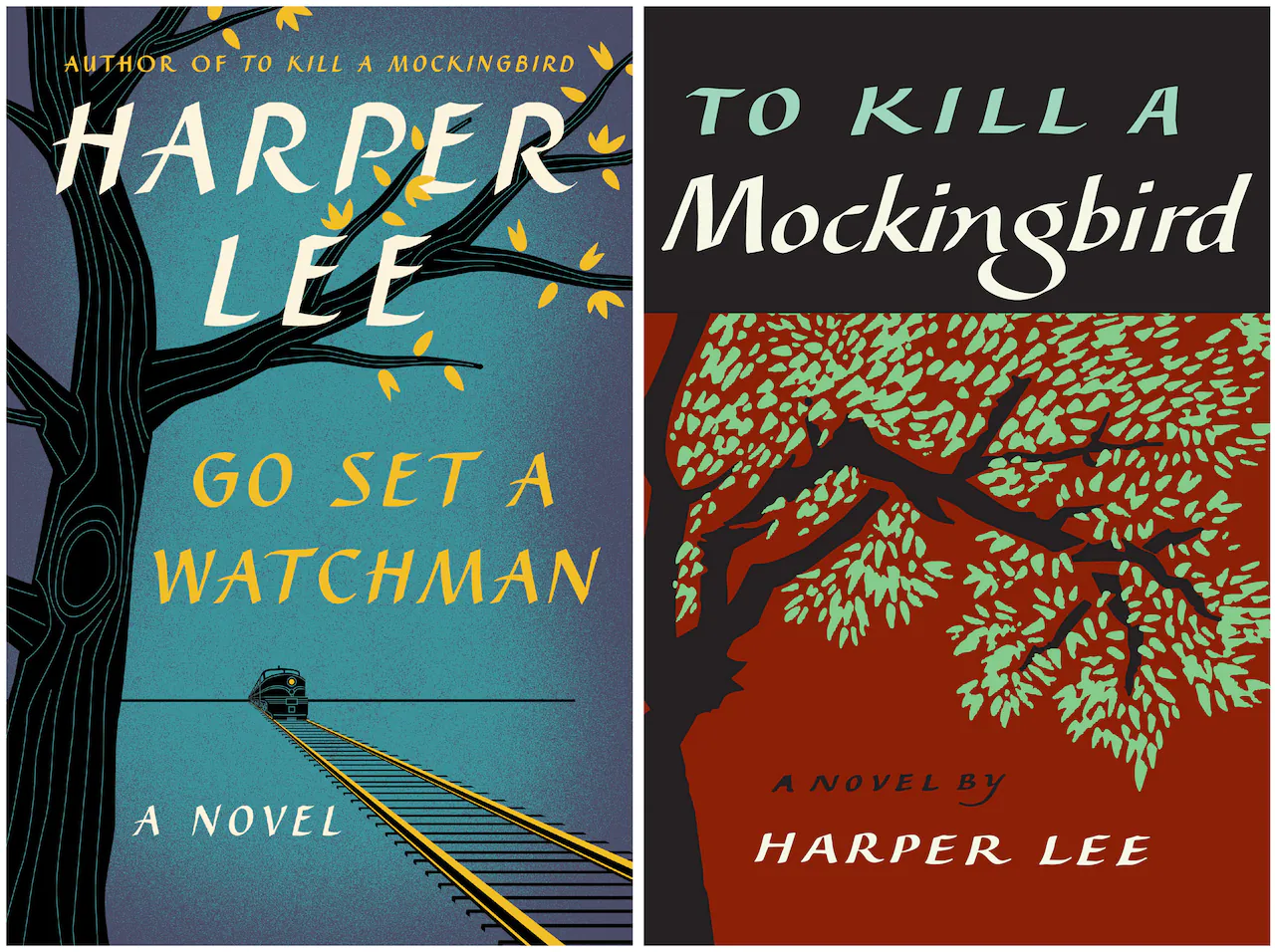
What writer wouldn’t feel at least a little envy toward Harper Lee: one book that became legendary, entered the canon, and generated the kind of royalties a person could live on for life. I certainly do.
Compared with To Kill a Mockingbird, this book—published roughly fifty years later—was met with something close to a wall of hostility on Goodreads.
It tells a story set about twenty years after To Kill a Mockingbird, but in fact Go Set a Watchman came first. Harper Lee originally wrote that version, and her editor thought the childhood material about Scout was more compelling and encouraged her to develop that instead. To Kill a Mockingbird was then published to extraordinary acclaim in the United States, adapted for film, and with Gregory Peck’s portrayal, the lawyer father became an idol for a generation: the model of moral authority and ideal fatherhood.
But taken together, To Kill a Mockingbird and Go Set a Watchman form a more complete story of reality. Mockingbird on its own is almost a fairy tale. Watchman says something much harsher: you have to “kill” your father in your mind, so that he can exist there as a human being rather than as a god. That, more than anything—other than the not-insignificant royalties—feels like the reason this book matters.
While listening to it, I idly looked up some literary gossip and discovered, embarrassingly late, that Harper Lee and Truman Capote were childhood friends who grew up in the same small town. When Capote was working on In Cold Blood, Harper Lee helped him with interviews and research. Later, for reasons I still don’t really know, they drifted apart. Learning this was as startling to me as the day I found out John Maynard Keynes and Virginia Woolf were close friends.
Anne of Green Gables—or rather, the Anne series
by L.M. Montgomery
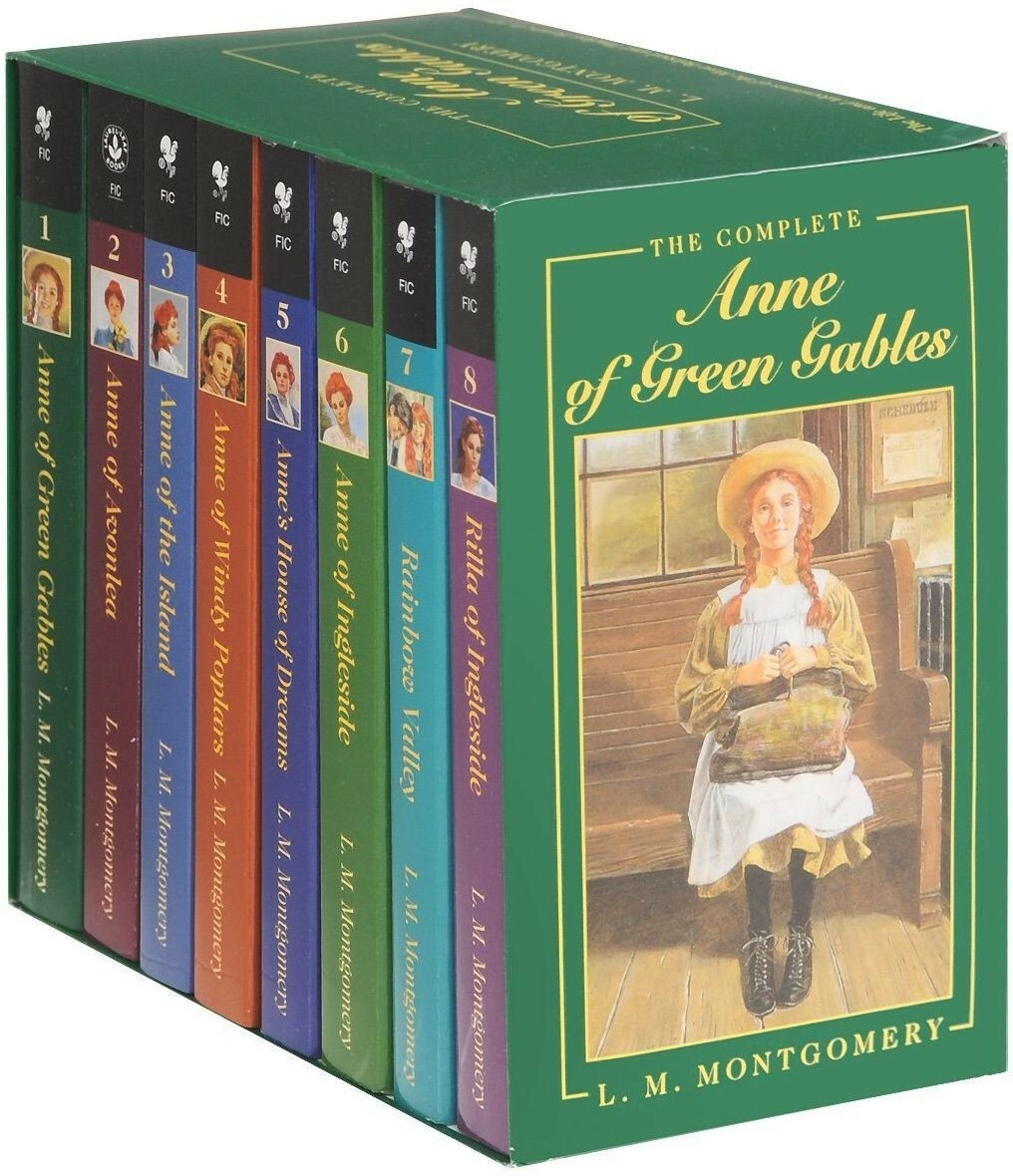
The series commonly gets called Anne of Green Gables, but that is really just the title of the first book. Since that first volume became by far the most famous, the whole set seems to have been absorbed into its name. In reality, L.M. Montgomery wrote Anne’s life at considerable length—through marriage, work, childbirth, and even the death of a child.
For books written more than a century ago, the discussions of education and women’s lives feel surprisingly current. Or perhaps that only shows how limited social progress has been. After Anne marries, the novels spend a fair amount of time on domestic life, neighborhood relationships, and the story of a woman whose marriage leads her into domestic abuse. That in turn prompts reflection—both for Anne and for her husband—on women’s lives, marriage, and the question of work and vocation. Many of the questions Montgomery raised a hundred years ago remain unresolved, except that new traps and complications have since been added for women to stumble into.
The series also devotes meaningful space to the atmosphere of fear surrounding the First World War. In the history most of us read now, the main theaters of the war are overwhelmingly European. Yet Canada, though already self-governing under the British Empire, still sent substantial manpower into the imperial war effort.
L.M. Montgomery died at her home in Toronto. At first, the cause of death was reported as coronary thrombosis. Years later, her granddaughter revealed that Montgomery had long struggled with depression while caring for a husband with mental illness, and that she may well have died from a drug overdose.
In my second year in Toronto, I lived near a park named after L.M. Montgomery. I meant to visit several times, but road construction around the area kept getting in the way. More recently, I happened to have a coworker who is a native-born Canadian—still rarer than it should be in tech—who grew up on Prince Edward Island. She told me the Anne books are hugely popular in Japan, so Japanese visitors often travel there almost as pilgrims. As a “little Canadian girl,” she ended up appearing in many tourists’ photographs. The story felt instantly familiar. After a moment I realized why: it is exactly the same phenomenon as Chinese fans of Slam Dunk making pilgrimages to Kamakura.
Elizabeth of York: A Tudor Queen and Her World
by Alison Weir
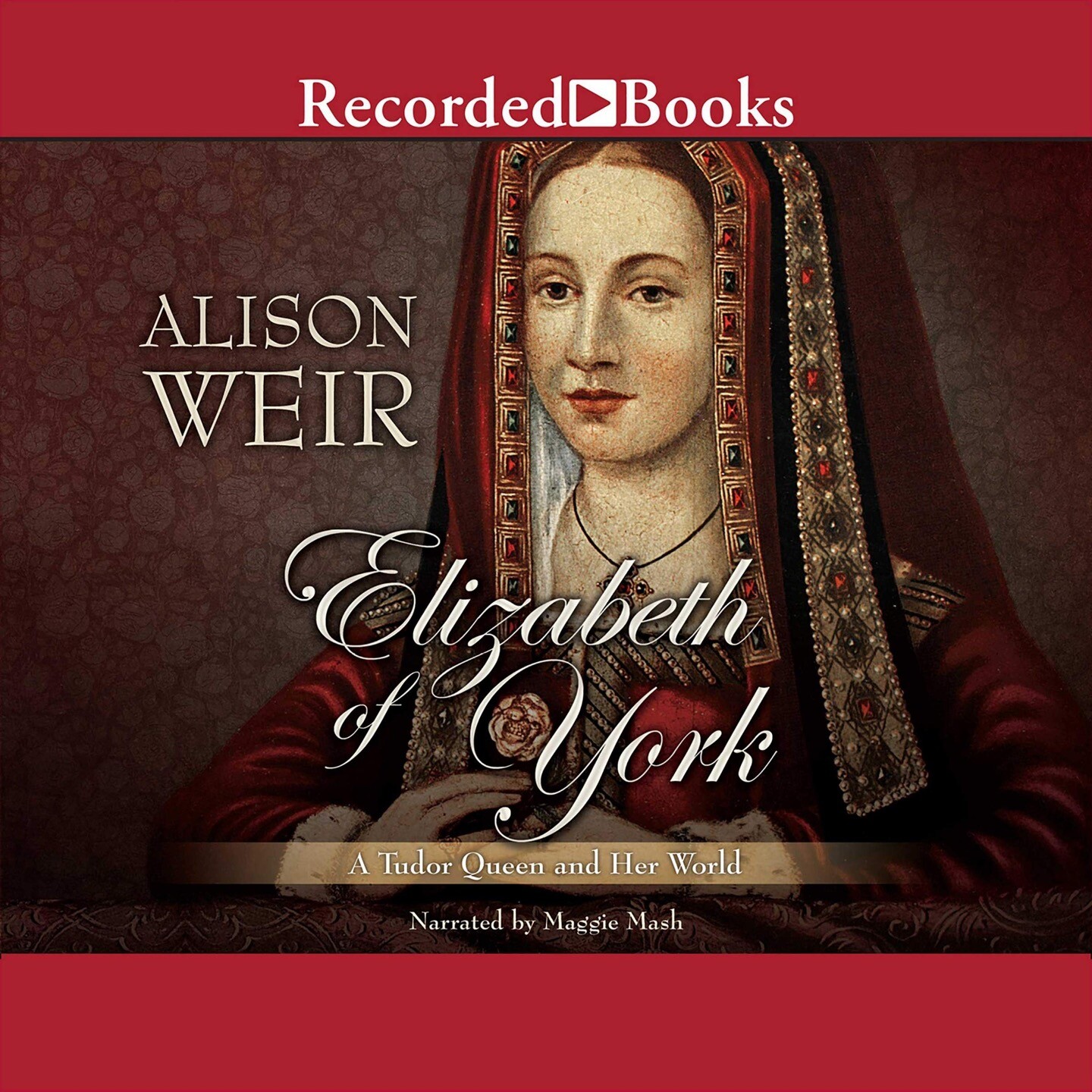
Elizabeth of York was the eldest daughter of Edward IV, the wife of Henry VII, and the mother of the notoriously wife-destroying Henry VIII. I listened to this book not long after revisiting The White Queen, and at the time I was also reading widely around the Plantagenets and the dynastic struggles before and after them.
Henry VII’s marriage to Elizabeth of York was obviously political. However much he insisted that his crown came by conquest rather than inheritance, he still needed to marry a Yorkist heiress in order to weaken the resolve of potential rebels.
History can be unintentionally ridiculous. On the one hand, Henry VII and Elizabeth of York seem to have had a genuinely successful marriage. There are historical records suggesting that after Elizabeth died, Henry VII sank into deep and lasting grief. On the other hand, he was consistently committed to eliminating possible Yorkist claimants. Over the course of his reign, he had various branches of the York family imprisoned and, under one pretext or another, removed them physically from the board.
That contradiction is part of what makes this period so compelling: tenderness in private life, paranoia in public life, and no difficulty in carrying both at once.
The Ripley books
by Patricia Highsmith
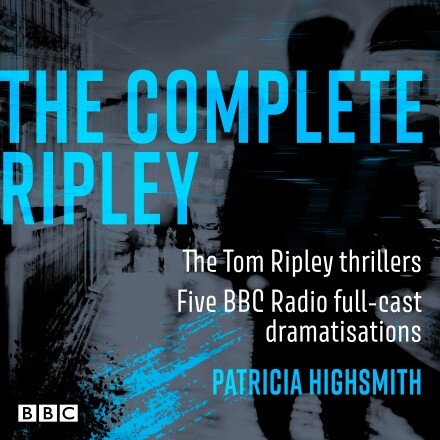
People arrive at Patricia Highsmith from very different directions. For many, the gateway was The Talented Mr. Ripley—or the film adaptation with Jude Law and Matt Damon. The Ripley series contains five books in total.
Tom Ripley is an unusually memorable criminal: polished, courteous, witty, and utterly merciless when it comes to murder. He is intelligent, slippery, and impossible to dismiss. That combination makes him far more unsettling than a straightforward villain. There have been many screen adaptations of the Ripley books, and in recent years there seems always to be another one either in production or under discussion.
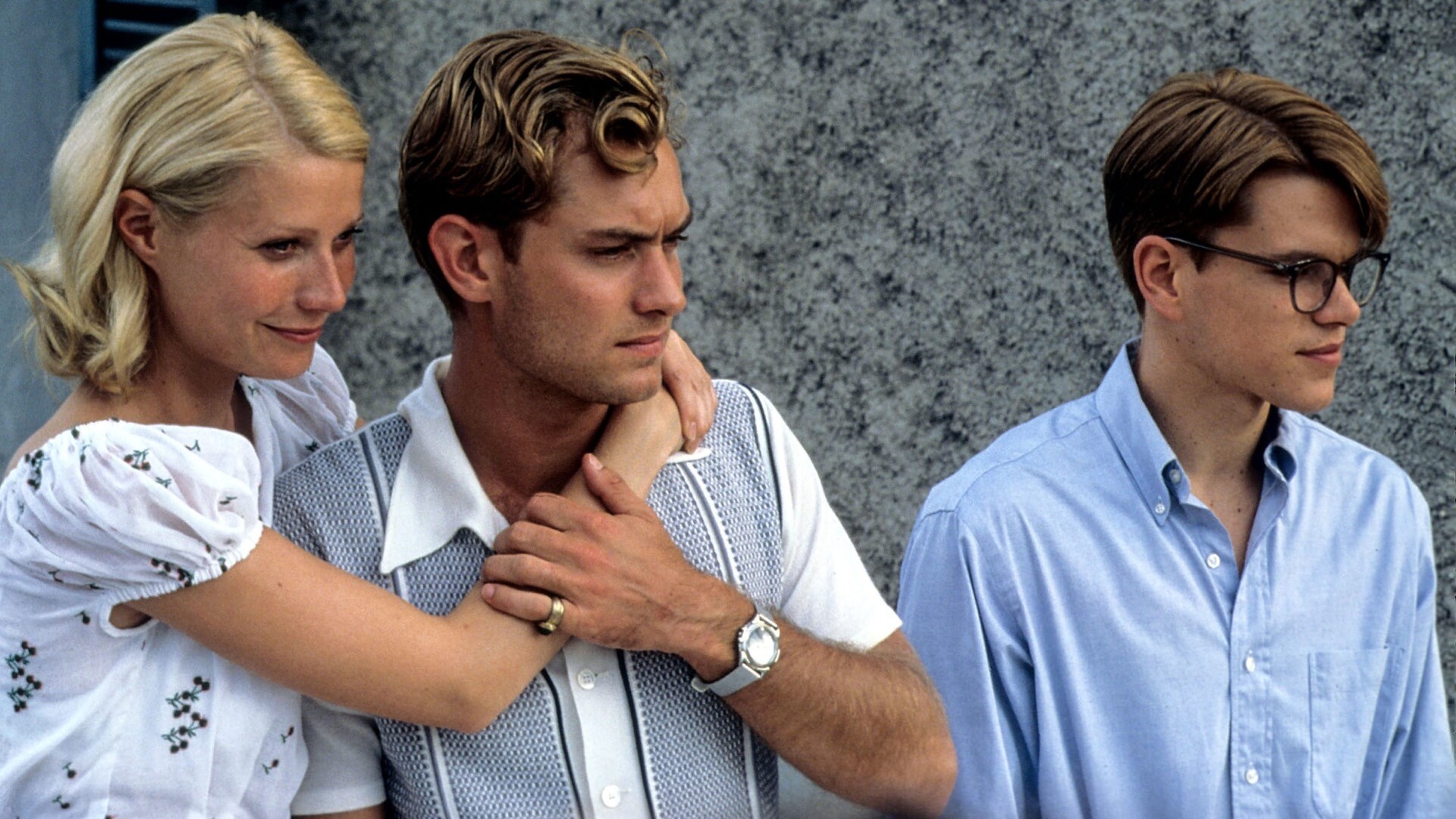
Highsmith also wrote under the pseudonym Claire Morgan. Under that name she published the semi-autobiographical novel The Price of Salt, which later became the film Carol. Highsmith was a lesbian, and in the social climate of her time she believed that being openly identified as such would damage her career. So she used a pseudonym for the book and maintained certain relationships with men as cover.
That double life is one of those literary facts that casts a different light on the work afterward—not because it simplifies the books, but because it reminds you how much of a writer’s life once had to be arranged around concealment.