December 24
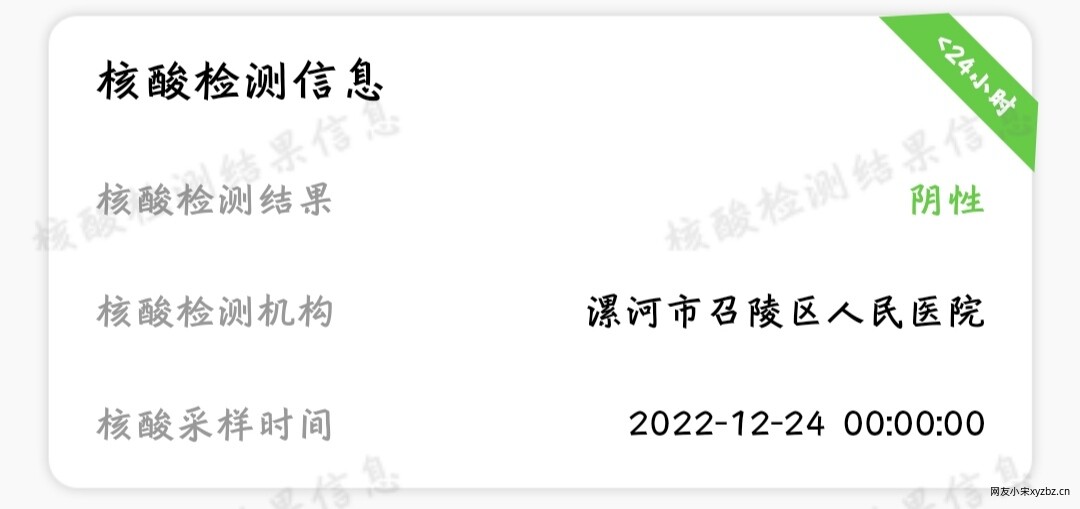
I’m heading home in a couple of days, so before leaving I went out to buy some calcium, iron, and zinc oral supplement for my daughter. While I was at it, I also did a PCR test for peace of mind. Now they only do individual sampling, and one tube costs 16 yuan. Expensive, but it felt worth it just to be sure.
December 22 — done
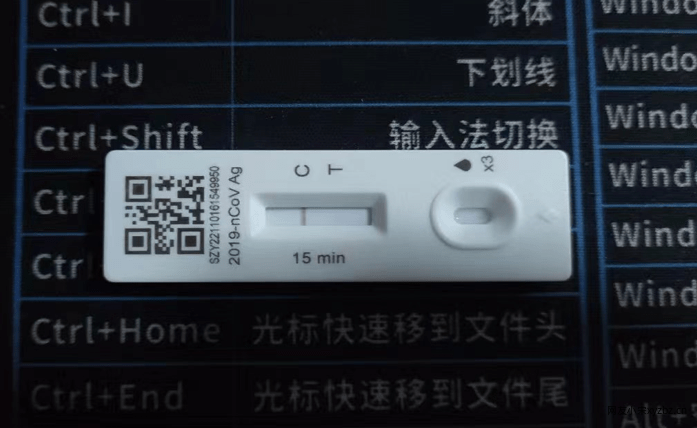
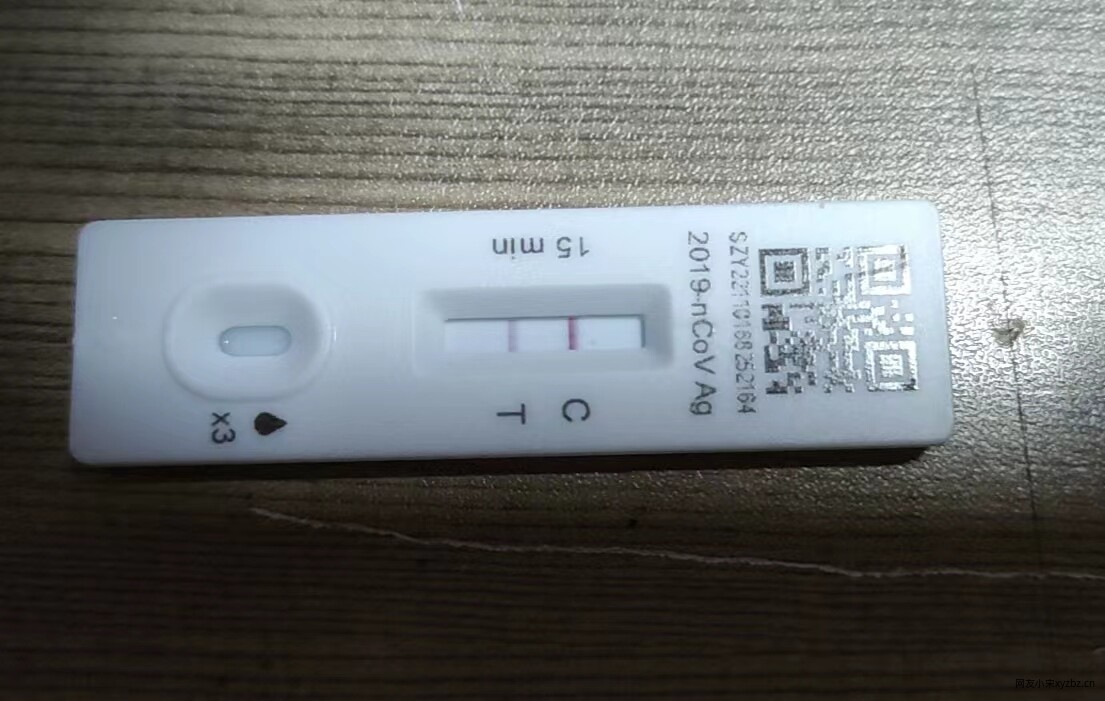
Today’s antigen result: one line.
After finishing all six packets of medicine, even the tooth pain was gone. At this point I could finally call it fully over. From start to finish, it took exactly seven days, not one more, not one less.
My wife also turned negative today. Tomorrow we’ll do a PCR test, and the day after that my daughter will head back. I’ve spent these last two days tidying up, buying a few things, and getting ready to go home myself. It’s been three months since I last went back.
Looking around at coworkers, their symptoms mostly fell into three groups:
- The worst cases: older people, or people whose health was already not great. They had persistent high fevers, body pain everywhere, sore throats, the full heavy-hit version. There were two like this in my department, both with obvious risk factors such as older age or recent surgery.
- The middle group: people like me. Fever lasted less than 24 hours, symptoms were relatively mild, temperature stayed under 39°C, and one dose of ibuprofen or another fever reducer basically brought things under control. This was the majority. Most people in the department do maintenance work, which is physically demanding, so overall they tend to be in decent shape. Later-stage symptoms were generally mild.
- The “escaped somehow” group: the ones who seemed to have almost nothing. I only found out today that nearly every department had one or two like that. But “no symptoms” isn’t really accurate either. Some still had a mild cold-like reaction, and honestly that can be miserable too. By this point, our whole company had basically gone through infection already, so if symptoms showed up later, that would just be awkward timing.
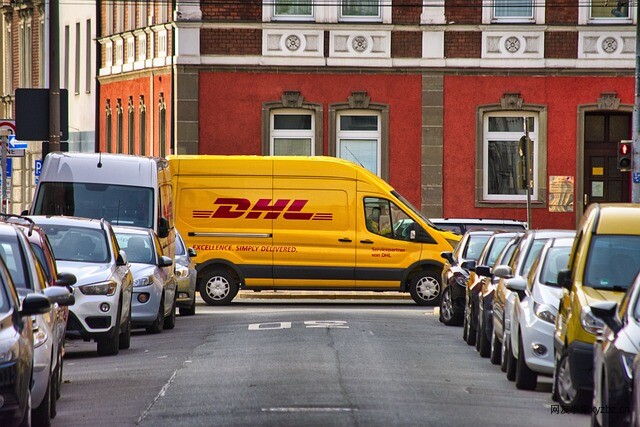
The delivery and logistics sector has had a rough stretch lately. For almost the entire three years before this, the company I work for wasn’t hit too hard. We did PCR tests every day, spent well over a hundred thousand yuan a month on testing, and life kept going. But once restrictions were lifted, it was like everything caught up at once. There was one brief shutdown of about 20 hours, then operations resumed, and after that it was full reopening. No more PCR, no more antigen tests, nothing. You can imagine what happened next: positive cases everywhere, one wave after another, including at local stations.
That’s also why so many parcels were stuck showing the same transfer record for days, whether at a sorting hub or on the way to a branch. There were just too many people out with fevers. Hiring temporary workers at high rates helped a little, but two temps still might not equal one experienced full-time worker. Still, the infection wave in the courier business now seems close to the end. To put it plainly, most people in the industry have already been infected and recovered, so the people handling deliveries can gradually get back to normal. A little understanding really does help.
December 21
I got up in the middle of the night and took another packet. By morning, the pain had eased a lot. I managed to eat breakfast, and my bite strength was finally back enough that I could even handle hot dry noodles. If the six packets finished the job, great. If not, I was ready to line up at the clinic and get six more. If I didn’t use them all, I could just keep them as backup.
Today’s antigen result was still two lines, but it felt like I was close to turning negative. Once I did, I planned to make a trip home. I hadn’t been back in two or three months. This year really has felt unreal.
December 20
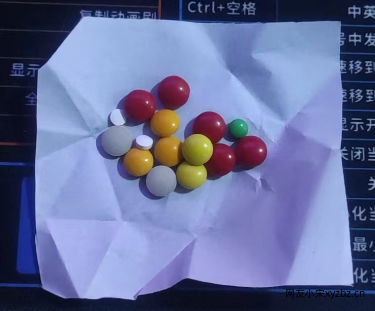
The medicine I got seemed mostly to be for pain relief. There was also some amoxicillin with it, but that part didn’t seem to help much. Once the painkiller wore off, the pain came right back.
I’d had this problem before. An older doctor at a neighborhood clinic had once told me that because I chew mostly on the left side, that jaw joint gets inflamed easily. This time it got bad enough that I could barely eat. I couldn’t open my mouth wide, and my teeth had no strength for chewing.
I tried to tough it out all day, but by evening I couldn’t take it anymore. I had barely eaten anything, and even drinking water hurt. The old doctor’s place had a line that would have taken two hours, so I opened my phone and started searching for clinics. The third one I checked had a much shorter line, so I got in immediately.
All the clinics were packed with fever patients. The doctors were swamped: some were seeing patients and packing medicine, others were giving fever-reducing injections. When it was finally my turn and I described what was happening, even the doctor seemed a little surprised. After taking a close look, he said it was basically the same thing the older doctor had said before, except with a proper name: temporomandibular joint inflammation.
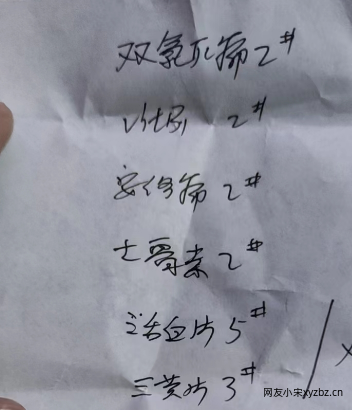
I bought two days’ worth, six packets total, for 20 yuan. After I got back, I ate some rice noodles—spicy ones, too—and honestly it felt amazing. Then I boiled some water, took the medicine straight down, and after a while it started working.
What struck me most was the pressure clinics were under after the sudden reopening. In freezing weather, lines stretched for dozens of meters outside. IV drips, injections, medicine refills—mostly elderly people, women, and children. It looked chaotic. Someone at the clinic told me drug prices had gone wild too: something that used to cost 30 yuan was now 130. Plenty of people were clearly making money off the shortage.
Today’s antigen result was still two lines.
December 19
By today, the usual COVID symptoms were basically gone. The antigen test was still positive, though, so I figured it might take another four days or so. But when I woke up, I had a dull toothache, and there were small bumps on my tongue too. Probably too much internal heat, as people would say.
The clinic was absolutely packed. I queued for a while, but there were still so many people ahead of me that it looked like another hour at least, so I gave up. I called my father-in-law, who works as a village doctor, and asked what medicine I should get. The pharmacies were out of almost everything. In the end I only managed to buy diclofenac sodium sustained-release tablets. One pill a day, and once I took it, the tooth pain eased.
My wife was doing much better today too. Most of her severe symptoms were gone, and she was expected to return to the hospital the next day. In Henan, the medical system seemed so short on staff that leave was reportedly suspended through March. It really puts things in perspective. Fever from COVID feels awful when you’re in it, but compared to the patients lying in hospital wards, it’s still not the worst thing happening.
At some point I remembered a line I had seen online: egg tea blesses every Henan child. That really took me back. Egg tea is supposed to help cool things down, and I happened to have a few eggs in the dorm, so I made some for myself. When I was little, if I had a fever, a cold, or too much heat, my mom or grandma would make me a bowl.
The method is simple: boil a kettle of water until it’s fully boiling, crack a raw egg into a bowl, beat it with chopsticks, then pour the boiling water directly in. If you have it, add a drop of sesame oil. It’s one of those old home remedies people swear by.
There’s another thing people around here like for the same purpose: sweet tofu pudding. If you buy it, ask for less of the curd and more of the sweet liquid. People say that liquid works especially well.
December 18
This was the point where the whole record was clearly heading toward its end.
I never bothered with a PCR test. Multiple antigen tests were enough to make it obvious what was going on. And by then, that was no longer the main concern anyway. At that stage, most people cared less about the label and more about whether they were still running a fever. Of course, people with stronger reactions still needed proper rest. Realistically, at that moment, if you had a fever, there was a 95% chance it was COVID. Everybody knew it, even if no one felt the need to say it too loudly.
My wife’s fever had already gone away, but her throat was bothering her. She drank some herbal medicine, though it upset her stomach a bit. My antigen test was still two lines.
December 17
So many people were sick recently that I still ended up going to work the night shift. I kept drinking water all night, didn’t do much, and spent more time resting in the office. Then I slept in the morning. Around 11 a.m., when I woke up, I noticed my shoulders were completely soaked with sweat. I had slept in just an undershirt, so it was impossible not to notice. I told my wife, and she joked that my body was “detoxing” through sweat.
Her high fever still hadn’t gone down. It almost felt like we had caught different versions of the virus. By then she had reached 39°C. She knows far more about medicine than I do, and in hindsight she had clearly seen this coming before I did. She had wanted to send me medicine earlier, and I had brushed it off. Looking back, she probably knew I’m the kind of person who can barely look after himself when he gets sick. She even lectured me a little about it. Fair enough.
At that moment, medical workers were under enormous pressure. I just hoped she’d recover quickly.
Symptoms today: sudden sweating, body temperature around 35.5–36°C, and some body aches.
December 16
This was probably the worst night of sleep I’d had in years. I was up at least every two hours to use the bathroom, and every time I got up, I checked my temperature too. It had climbed to 38.5°C. At that point, all I could really do was keep drinking water.
Before 7 a.m., my condition was basically this: drink water, go to the bathroom, shiver from the cold, high fever.
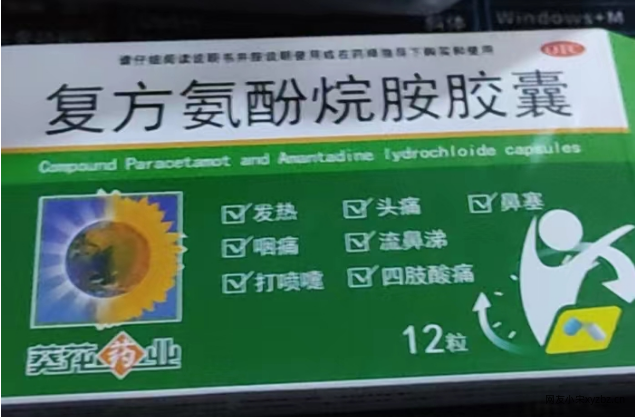
After 7 a.m., I took another compound paracetamol and amantadine capsule, drank more water, and went back to sleep. The quality of sleep was terrible by then. I was basically drinking, swallowing medicine, and dozing off again. Around noon, my temperature was steady at 38°C. The medicine my wife had mailed to me had arrived too, so I planned to pick it up in the afternoon.
In the morning she messaged to say that she had been infected too. As a healthcare worker, she had been prepared for it mentally, but neither of us expected we’d both get hit at the same time.
I picked up the package in the afternoon and opened it to find ibuprofen granules, more compound paracetamol and amantadine capsules, and other medicine. I took one packet of ibuprofen granules right away, and the effect was immediate. Around 5 p.m., I checked again: my temperature had dropped straight down to 36.5°C.
At that point the remaining symptoms were fatigue, headache, and aching joints. After a full day of fever, that made sense.
December 15
After getting off work in the morning, I saw that the coworker who had been sick earlier had finally replied in the group chat, so I messaged to ask how he was doing. He said he was fine and no longer had a fever. Maybe it had just been an ordinary cold. At that point, everyone still hoped that’s all it was.
At 5 p.m., a few of us went out for dinner somewhere fairly far from the company. It was one of those moments when you could really feel that everything had reopened. We got to the restaurant around 6 and ate until about 8, and the entire place had only our table. That was surreal. Before all this, even during strict controls, that restaurant was busy enough that they set up extra small tables outside and people still had to queue.
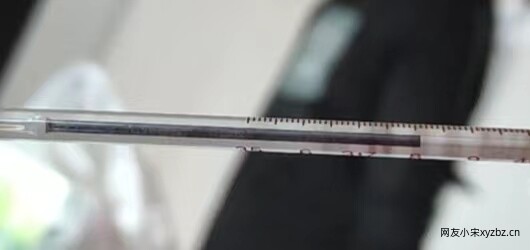
Then at 10 p.m., after sitting in the office for two hours, I suddenly felt weak—like the kind of weakness where your legs go soft as soon as you stand up. That was the moment I really panicked. I pulled out a thermometer from my work uniform and checked: 37.5°C.
I hadn’t had a fever in years, so I had almost forgotten what it felt like. There was some weird mix of discomfort and adrenaline to it. At first I thought I might just push through it, but the weakness kept getting worse. I rushed to the supermarket near the gate and bought water, ham, instant noodles, chicken legs, and four bottles of electrolyte drink because I had recently seen people online saying it helped with hydration. Then I went straight back to the dorm to start taking medicine and drinking water.
Because I hadn’t had a fever in so long, my little medicine box had nothing useful in it. The only fever medicine I had was already expired. I asked a coworker who had just recovered, and he had some compound paracetamol and amantadine capsules, so I took one.
Symptoms at that stage: floating, light-headed weakness, soreness in my back, aching joints, chills, and a temperature that was clearly still climbing.
December 14
Another guy in the dorm came down with a fever too. That definitely made things tense, even though I still felt like I might hold out.
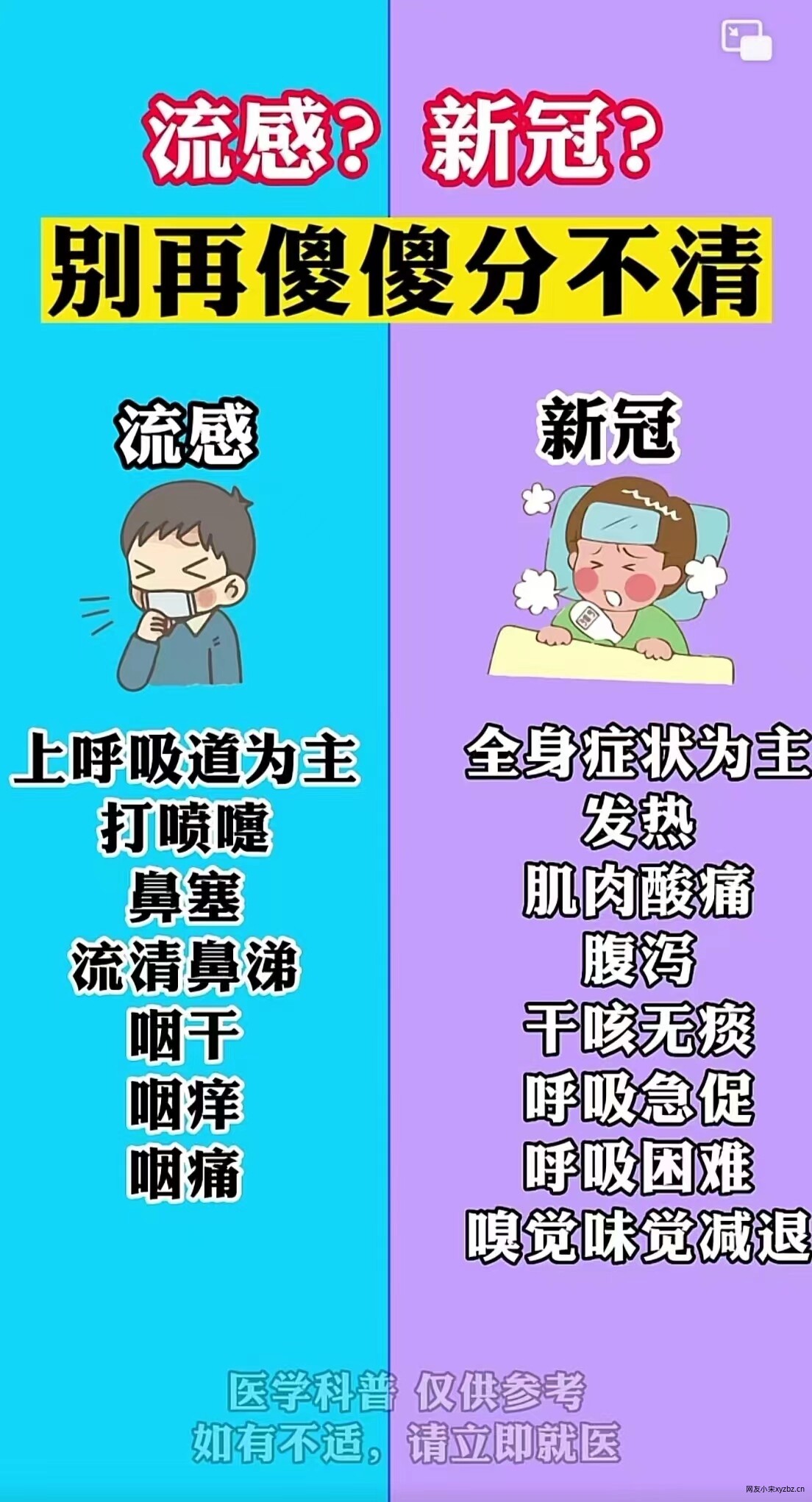
December 13
Sudden night shift
There was a last-minute notice for night shift. It came out of nowhere.
Goodbye to the travel code era

That little code suddenly disappeared just like that. After three years, it really felt like an era had ended.
PCR testing had been suspended across the board. Travel codes, health codes, venue scan codes—many places weren’t even asking for them anymore. People around me were already starting to test positive. The symptoms sounded exactly like what everyone had been describing in short videos online. People even joked that if you got infected without going anywhere, you should at least disinfect your toilet properly. A joke, sure, but also not completely bad advice.
Worries at home
A couple of days earlier, my wife had said that two patients in her department had tested positive, and then a doctor did too. That night, almost no one in the department went home. We talked it over and quickly called my mother, telling her to take the child back to the hometown the next morning and avoid the city for a while.
Adults can usually grit their teeth, take medicine, and get through it. Elderly people and children are much more fragile. The idea was to wait until the wave in my wife’s department passed, then bring them back. If my wife ended up feeling unwell and had to isolate at home, I could drive back every day to help look after things, or even take leave from work if needed. Work could wait.
But then another worry came up: if things in my wife’s department improved in a couple of days, we would need to bring my mother and child back quickly, because even the hometown no longer felt safe. A cousin of mine had likely already tested positive and was running a persistent fever after being brought home. At his high school, there were also students whose results were “inconclusive,” which basically meant everyone already knew what it was. Symptoms were obvious enough. Medical resources in rural areas weren’t very good to begin with, and too many people there still weren’t wearing masks. With the Lunar New Year approaching, it all felt even riskier.
What was happening at work
Over those days, more and more people at the site were getting fevers or cold symptoms. I mostly heard about it secondhand and didn’t pay too much attention at first. Usually I stayed in the office unless something on site actually needed me. During that period I had already told people to minimize unnecessary contact.
When I spoke with the on-site supervisors, it sounded like no fewer than 50 people had already taken leave and gone home over just a couple of days. There were also lots of outsourced hourly workers around, which didn’t exactly make the environment feel safer.
One of the guys in my dorm on the night shift developed a fever too. The day before, when I got up for lunch around noon, I noticed he hadn’t gotten out of bed, which was unusual. I called out to him a few times but got no response and left it alone. Then later that night, another roommate said the guy had mentioned in the morning that he had a fever, bought medicine in the afternoon, and gone home to isolate. Not long after, word came back that his temperature had climbed fast and his antigen test showed two lines. At that point there was no real suspense left.
Same dorm, same office—there was no realistic way to avoid exposure anymore. All I could do was spray some alcohol around the room and leave it at that.
That night I rushed to buy some medicine. There was still a little left for children, but adult medicine was already close to sold out. I wanted to send some back home too, but seeing how things were developing, that plan didn’t seem very practical anymore.
I had joked with my wife earlier that I was supposed to go home and protect my little princess, but instead my own workplace had turned into a major outbreak zone. If policies hadn’t already loosened, a place like this probably would have been locked down for at least half a month. Given how things looked, it seemed like there was no way around getting caught in the wave.
So in the end, all that was left was to go with it, take care of myself as best I could, and hope to come out the other side in one piece.