I stayed in Shenzhen over the May Day holiday. The original plan was to rest at home for a few days, but after sitting around too long, rest started to turn into irritation. So I went out.
Shenzhen does not offer that many places to wander if you set shopping malls aside. After thinking it over, I realized I still had not visited Xianhu Botanical Garden, and there was also Hongfa Temple up in the hills. I am not a particularly devout Buddhist, but I have always enjoyed visiting temples of all kinds, so that became the day’s destination.
Up the mountain to Hongfa Temple
Entry to Xianhu Botanical Garden costs 10 yuan. After getting in, there is also a shuttle up the mountain for another 10. The queue for the bus stretched so far that I could not even see its end, so I gave up on waiting and started walking.
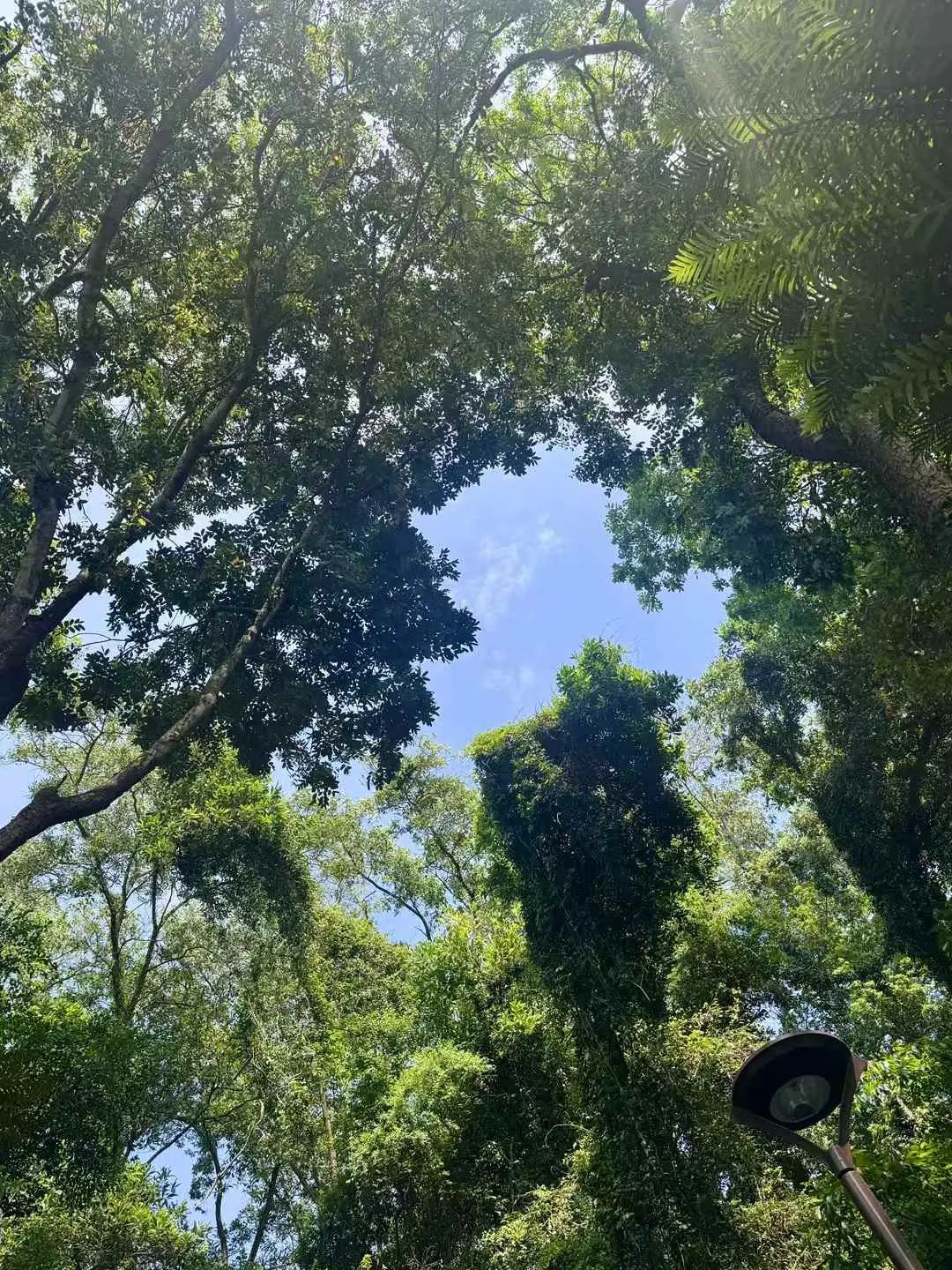
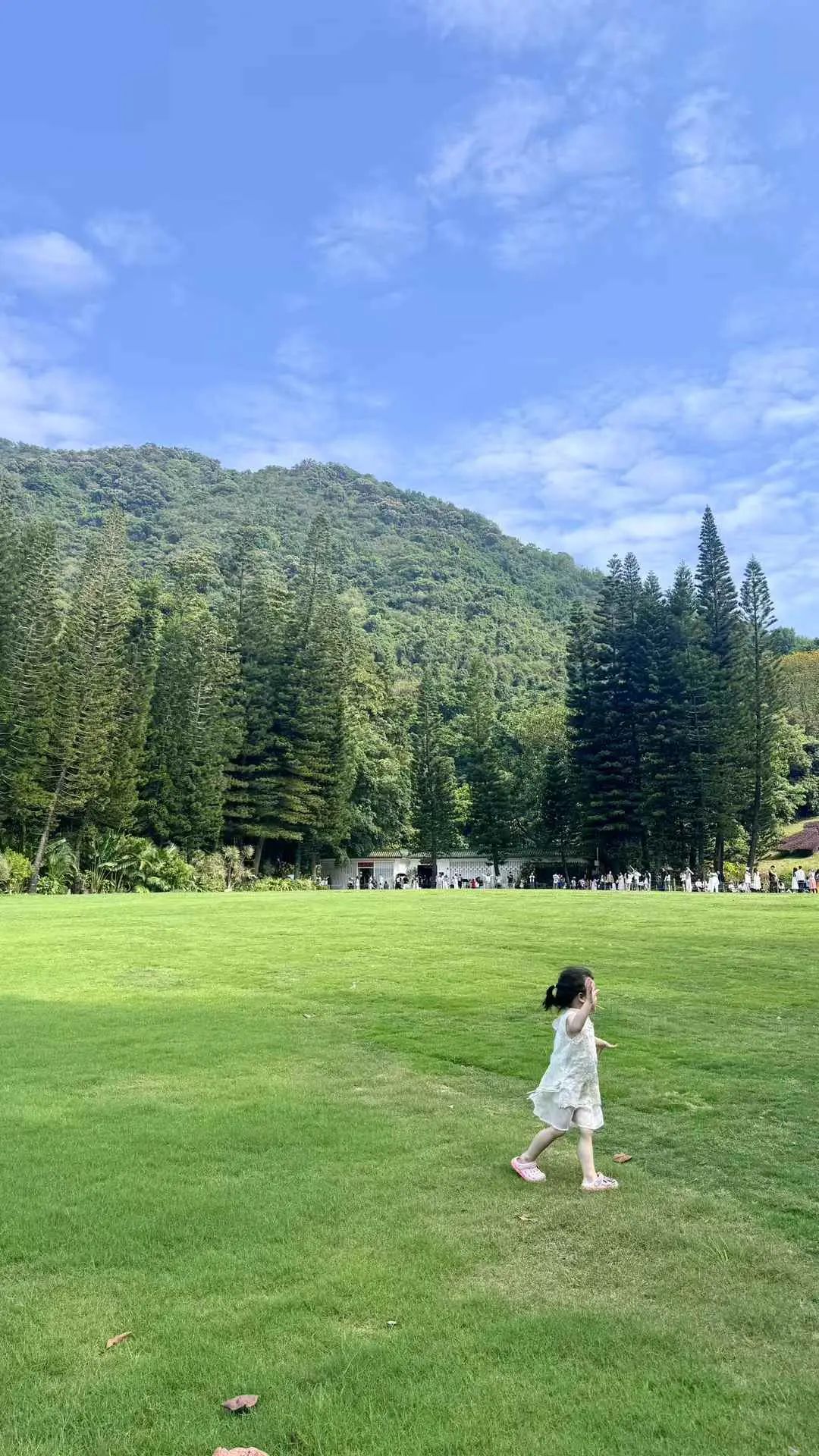
That turned out to be the better choice. The climb was pleasant, and the scenery all along the way was excellent. Wind drifted over from the distant hills, clear and refreshing, and for a moment it reminded me of home. It felt like the same kind of wind.
The botanical garden is large, with different exhibition spaces scattered throughout. I never figured out where the flower hall was. I kept following the signs toward Hongfa Temple, and in the end I saw almost no flowers at all, which was a small disappointment.
There were plenty of people who had clearly come specifically for the temple. At the entrance, volunteers were handing out incense for free, which I appreciated in principle—at least it did not become one more thing to pay for. I smiled and declined. Ever since I began studying Buddhism, I have stopped bowing before Buddha images.
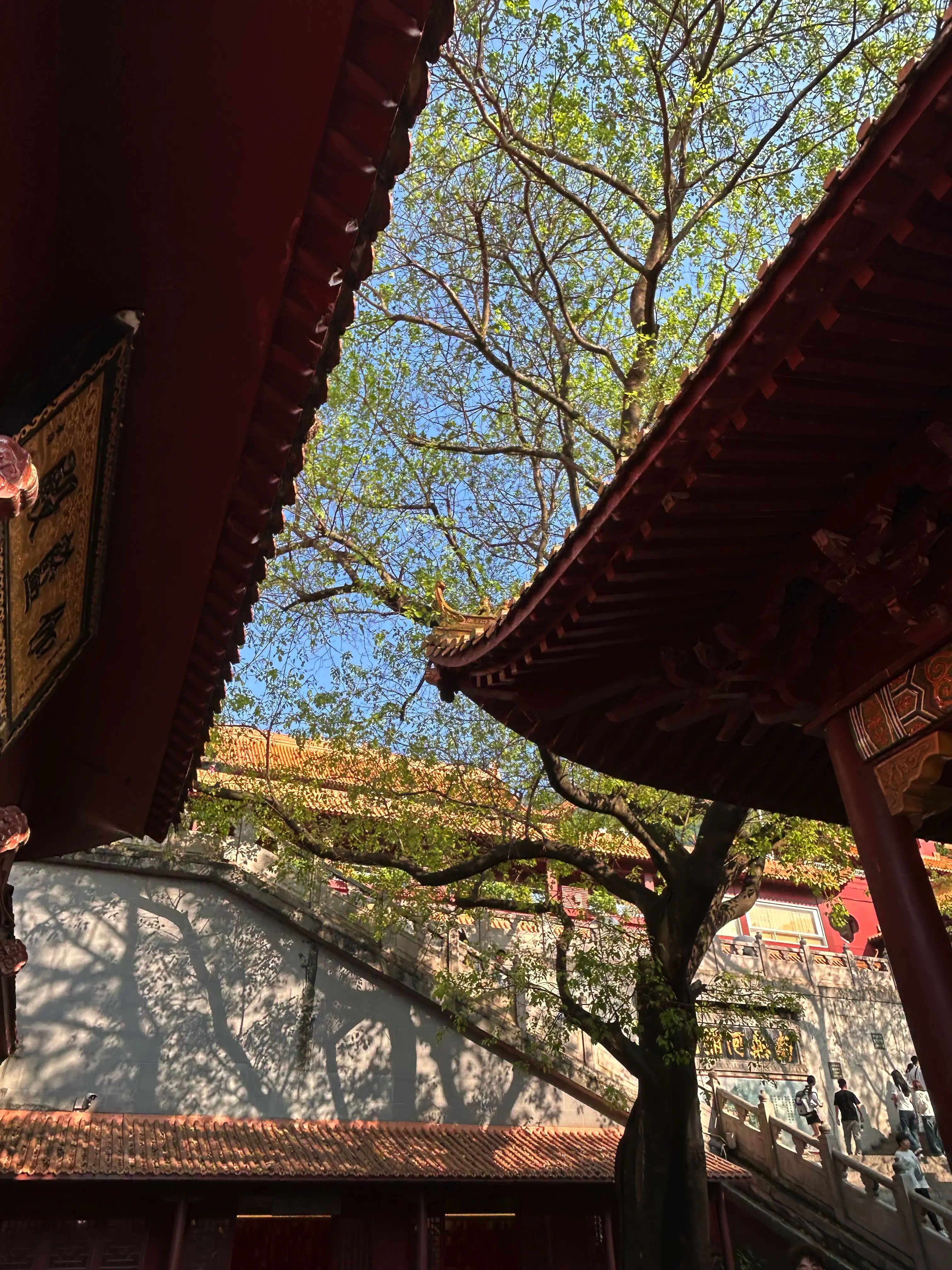
Hongfa Temple is a Chan temple, and it is a beautiful one. The complex rises gradually from the outer courtyards inward, and from lower to higher ground, so the whole place unfolds in layers. The trees inside the temple grounds are lush and carefully arranged, giving the place a quiet, contemplative atmosphere. It is an ideal place not only for visiting, but also for photography.
I read the temple introduction while I was there. Its founding master was the elder Benhuan, who passed away at the age of 106. That alone suggests a lifetime of serious cultivation. The current abbot is Master Shunyin. Back when I was reading more about Theravada Buddhism, many of the essays I came across were also written by a monk named Shunyin. Coming to Hongfa Temple and seeing that name here gave the visit a faint sense of karmic coincidence.
Many of the temple rooms were blocked off behind railings and could not be entered. I do not know whether it was to protect them from the midday sun, but even the Buddha statues were covered with mesh cloth. And yet believers still knelt and bowed before them. It was a strangely striking scene, one that seemed to carry a certain spirit of not clinging to outward form.
Every temple has some kind of place for making a connection—usually a counter where sutras and introductory Buddhist texts are given away. Hongfa Temple is the most generous temple of that kind I have seen. There were dozens of scriptures and general reading materials laid out, along with things like Buddhist pendants and bracelets. It lives up to the name Hongfa, “spreading the Dharma.”
All of it was free to take. If you wished, you could leave a donation in return, the kind of casual offering people call giving with joy. My wallet was not in a very generous state, so all I could offer was my admiration. I took two books: the Diamond Sutra and the Lotus Sutra. The edition of the Diamond Sutra was especially beautiful, an uncommon folded format that felt worth keeping on its own. I had never read the Lotus Sutra before, so this seemed like a good chance to begin.
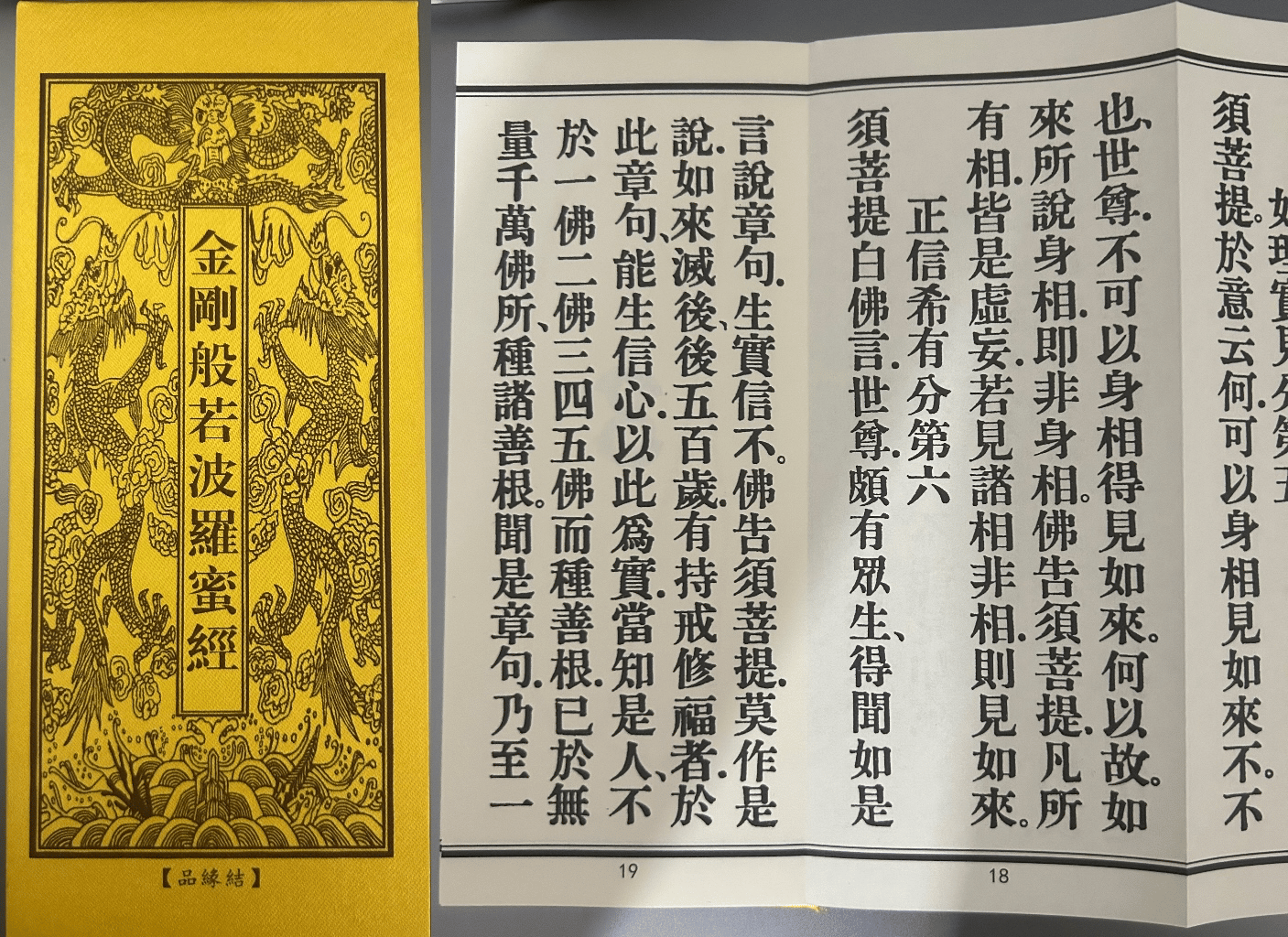
By the time I headed back, it was already past six in the evening. The metro was packed—more crowded than a normal weekday rush hour. Since the train started near the coast, it was already full of people returning from there before it even reached Xianhu Station. Each arriving train had room for only one or two more people at most.
The people already inside naturally did not want anyone else forcing their way in. So the carriage filled with cursing and complaints. In that moment, the people on the train and the people left outside could not possibly understand each other.
I was tired. I only wanted to get home as quickly as possible.
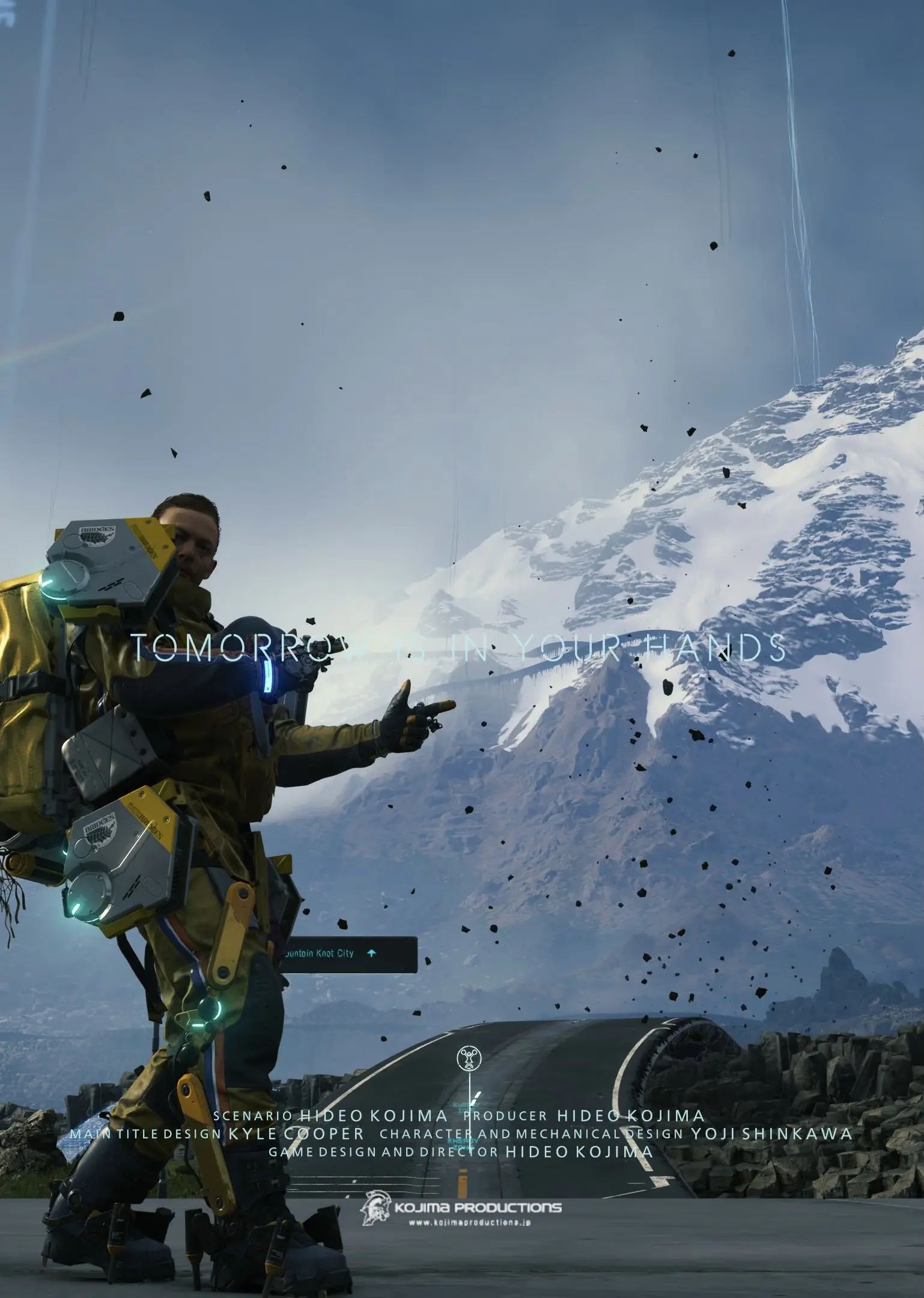
Death Stranding
I finally got the platinum trophy in Death Stranding after 100 hours.
Across more than twenty years of playing games, this is only the second one that has ever made me cry.
The first order in the game is to cremate your own mother. The final order is to cremate your child. Fortunately, the child survives in the end. Beneath torrential rain and a rainbow, death and new life are joined together again.
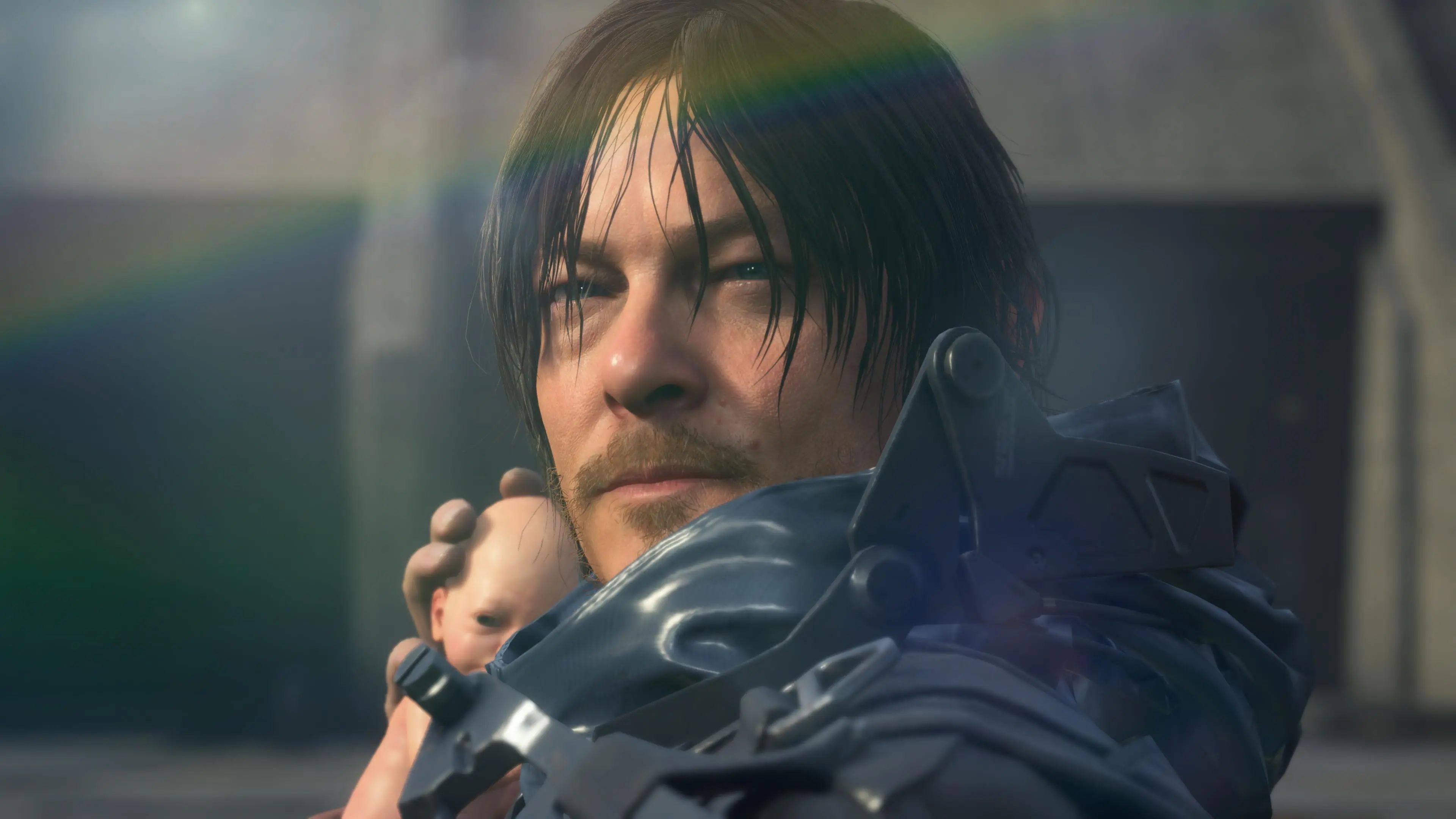
Death Stranding left me with a great deal to think about. It is a game that asks to be felt with care and attention. I do not often call a work great, but without exaggeration, this belongs near the front ranks of what the so-called ninth art can be.
No matter how much praise I give it here, it still does not feel like enough. I will probably end up writing about it separately later on, because there is too much to say. If I do, I want to approach it from three angles: music, literature, and film—three paths into what makes Death Stranding such a singular work.