Let me start with what I actually do: to outsiders, I’m a photographer. But unfortunately, not the kind you see in movies or TV dramas, wandering around with a camera and “capturing the beauty of life.” I don’t have a path into glossy magazines, and I’m not out there using images to challenge reality in major publications either. At most, I can hide behind a tiny account and vent where none of my clients will see it.
Back in school, if something annoyed me—in class or in a student club—I would just say it.
If someone knew nothing, could do nothing, and still did everything badly, why shouldn’t they get called out?
Why worry about consequences? Worst case, I’d quit. In my own head, if I left, the whole world would fall apart anyway.
Now? You try making a living. Isn’t it all for money in the end?
And clients are the same. They understand nothing, yet somehow still think they can direct every part of your job.
This particular client deserves a long story. I’ll start with one day first, and I can fill in the rest of the offenses later.
August 22, 2019
The job was to photograph the opening ceremony of a military training program at a private educational institution in Dongguan. The pay was only a few hundred yuan. The actual client wasn’t the school itself, but someone from an education company called “Sunflower Education.”
The brief sounded simple enough: photograph the instructors, the leaders, and the students.
On paper, nothing outrageous.
What made it outrageous was what happened after I got there.
I arrived at Gate 5 of Donghua... well, I’ve already said it, too lazy to change it now. The security guard told me someone from inside had to come and bring me in. So I called the client contact. He immediately said something like, “Do you see the basketball court? Once you go in, walk straight ahead and you’ll find xxxxx.” He spoke fast, unclearly, and before I had time to process what he said, he had already hung up.
I explained the situation to the guard, but the guard insisted that someone had to escort me in. So I had to call again and let the guard speak to him directly. Only after the guard stepped in did he finally agree to come out and bring me inside.
Thanks to that security guard, seriously.
Then, before the event even started, she said to me:
“Once it begins, shoot a short exciting video for me too. I want to post it on Moments for promotion.”
Come on.
We agreed on photos. Now suddenly you want video too?
Of course I didn’t want to do it.
So I said, “It doesn’t need to be anything fancy. Just use your phone and shoot ten seconds for me.”
At that point there wasn’t much I could do. In the end, this kind of work is still service work. You try to meet the client’s needs when you can.
But anyone who has ever used a camera knows this: shooting photos and shooting video are not the same thing. They use different settings, different priorities, different rhythms. At an event, the important thing is capturing moments as they happen. If the deliverable is photos, then the first priority has to be getting the photos right. Only after that do you deal with extra requests. Some moments disappear the instant you miss them. Naturally, my attention had to stay on photography.
I shot a few video clips the way she asked, and then she said, “These aren’t good.”
For something added on for free, what exactly were you expecting? Was my phone also supposed to edit the footage by itself?
Then she added:
“You need to capture the exciting performances on stage, and also show the energy of the children below, so I can use it for promotion.”
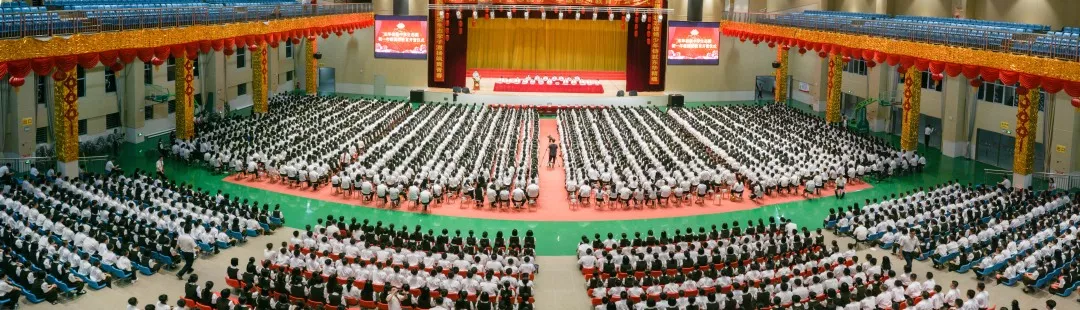
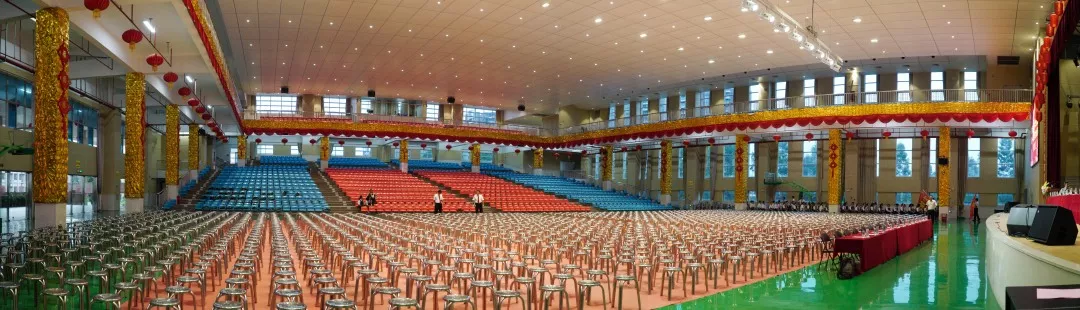
Let’s break that down.
1. The school already had full event video coverage, and I wasn’t allowed to go on stage to film.
2. The stage was about 1.5 meters high, at least.
3. How exactly is a single 10-second one-take clip supposed to include both the performance on stage and the “energy” of the audience below at the same time?
4. And how do you make an unimpressive performance and a lifeless group of students look full of momentum just because you want something “good for promotion”?
That still wasn’t the worst part.
The worst part came after the shoot.
The location was in the Songshan Lake area. I live in some remote, run-down town in Dongguan.
The original schedule was 19:00 to 20:00.
They didn’t finish until 20:30.
There was no transportation reimbursement, the pay was already low, and I still had to get home. Taking the bus wasn’t unreasonable, was it? That trip alone would take at least two and a half hours.
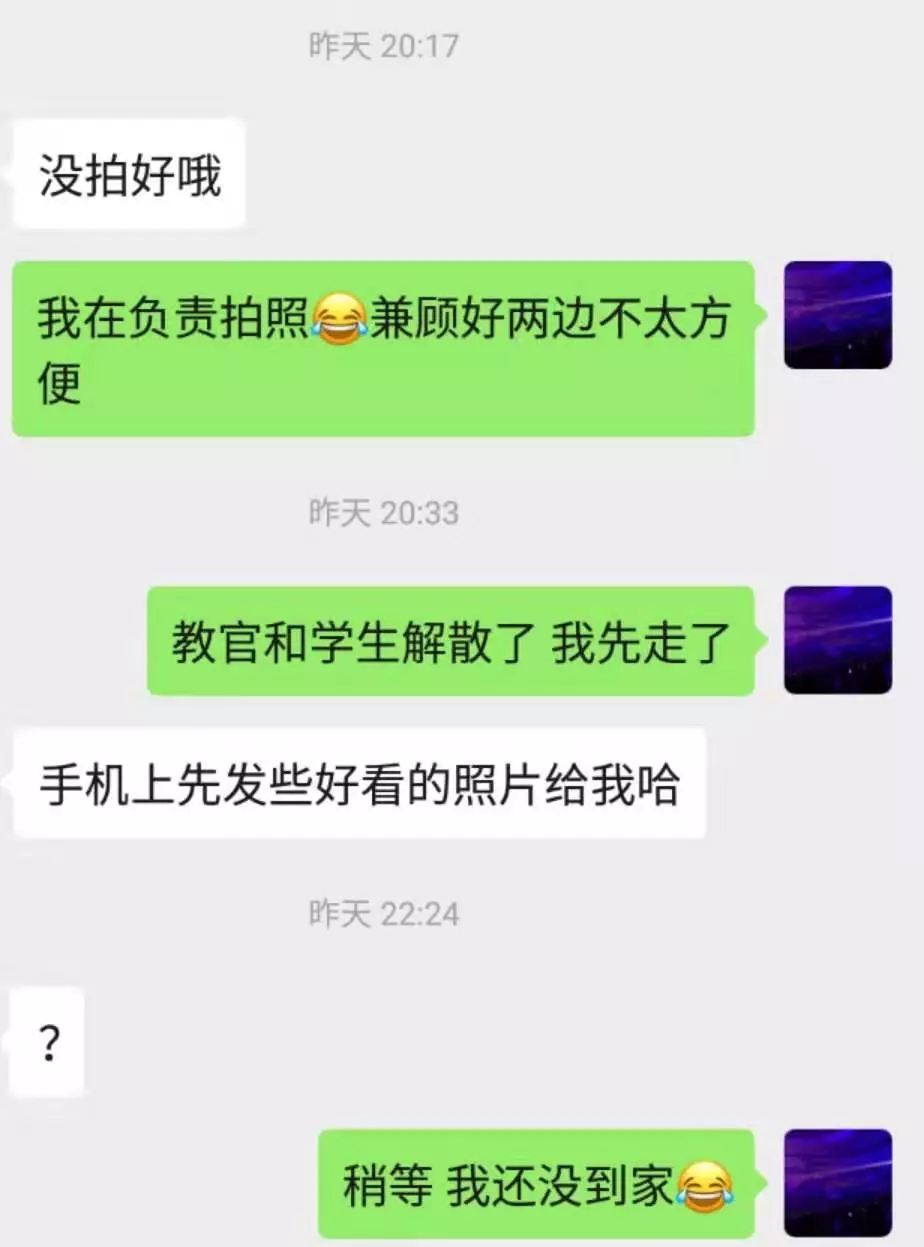
At 20:30, I told her I needed to leave.
She wanted me to send her photos first.
Look, technically I could have. But there was no reason I should have.
To be blunt, the pay was too low. Was I supposed to spend another half hour standing there, using phone Wi-Fi to transfer files from my camera and pick out shots before heading home? And if I missed the last bus, then what? I’d just be doing charity work for you?
Most normal people, after someone finishes a job for them that late, ask basic human questions first.
Are you driving back?
It’s late—do you need a ride?
Be careful on the way home.
Stay safe.
At the very least, make sure the person in front of you is okay before immediately pushing more work onto them.
That is the bare minimum respect.
And that’s exactly what I didn’t feel from her. I didn’t feel respected as a photographer. I felt like a tool that happened to take pictures for her. The first thing on her mind was not whether I could get home safely, but whether she could get her photos right away.
If she had shown even a little more concern, I probably would have forced myself to transfer a few images out of the camera for her on the spot.
But from her?
Forget it.
No matter what line of work you’re in, if you genuinely want to help the other person, they usually respond in kind. They’ll try their best for you too. But if you treat people as nothing more than tools for getting what you want, the collaboration is almost never going to go smoothly.
You only really understand this after you’ve worked enough jobs:
“Thank you. You’ve worked hard.”
That simple sentence can be incredibly encouraging.
Just because money changes hands doesn’t mean everything else is automatically owed to you.