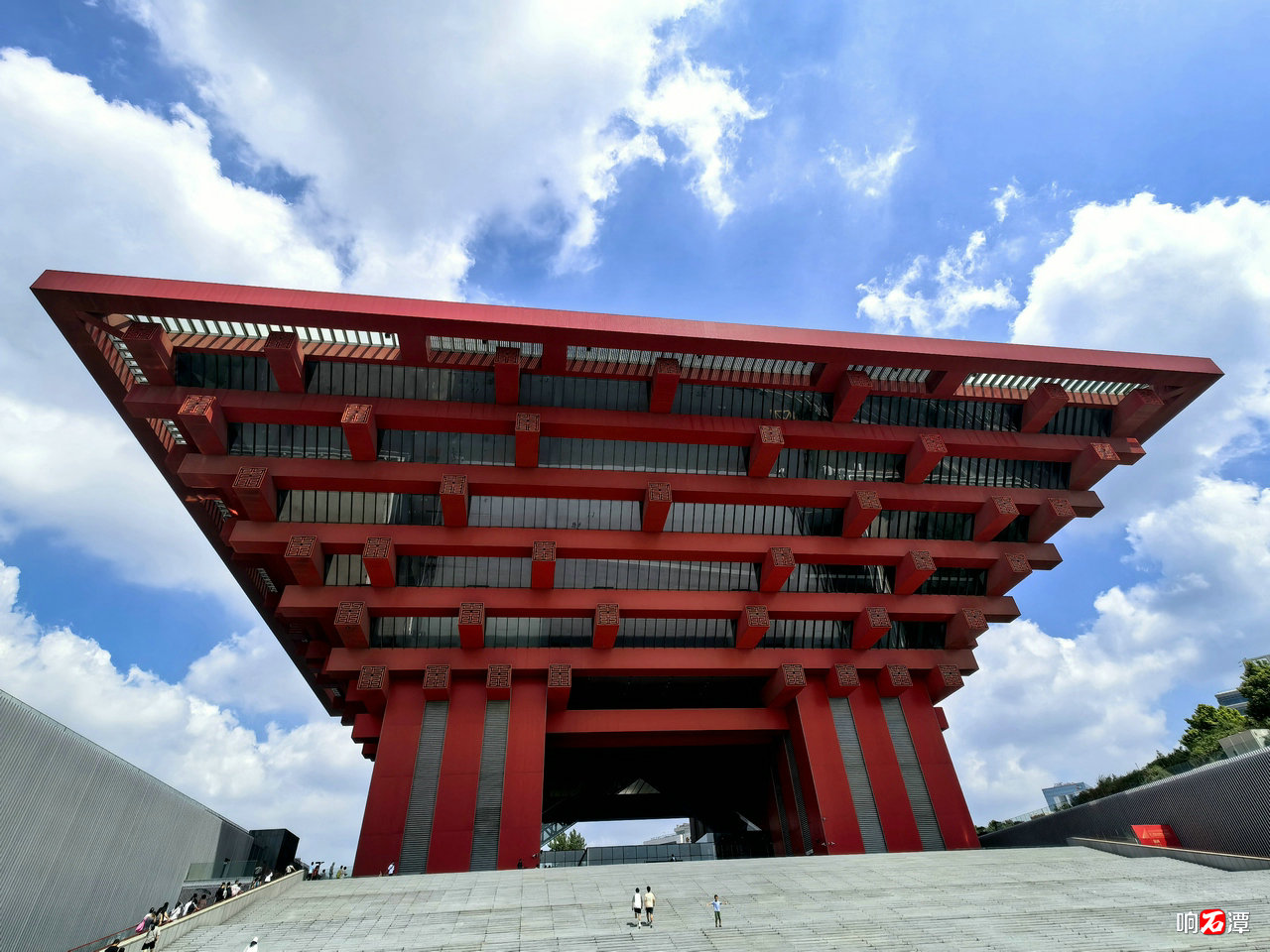
On August 25, the final stop of the day was the China Pavilion at the Expo Park. From a distance it looked smaller than expected, almost modest. Only after entering and taking the elevator up to the twelfth floor did its height become apparent.
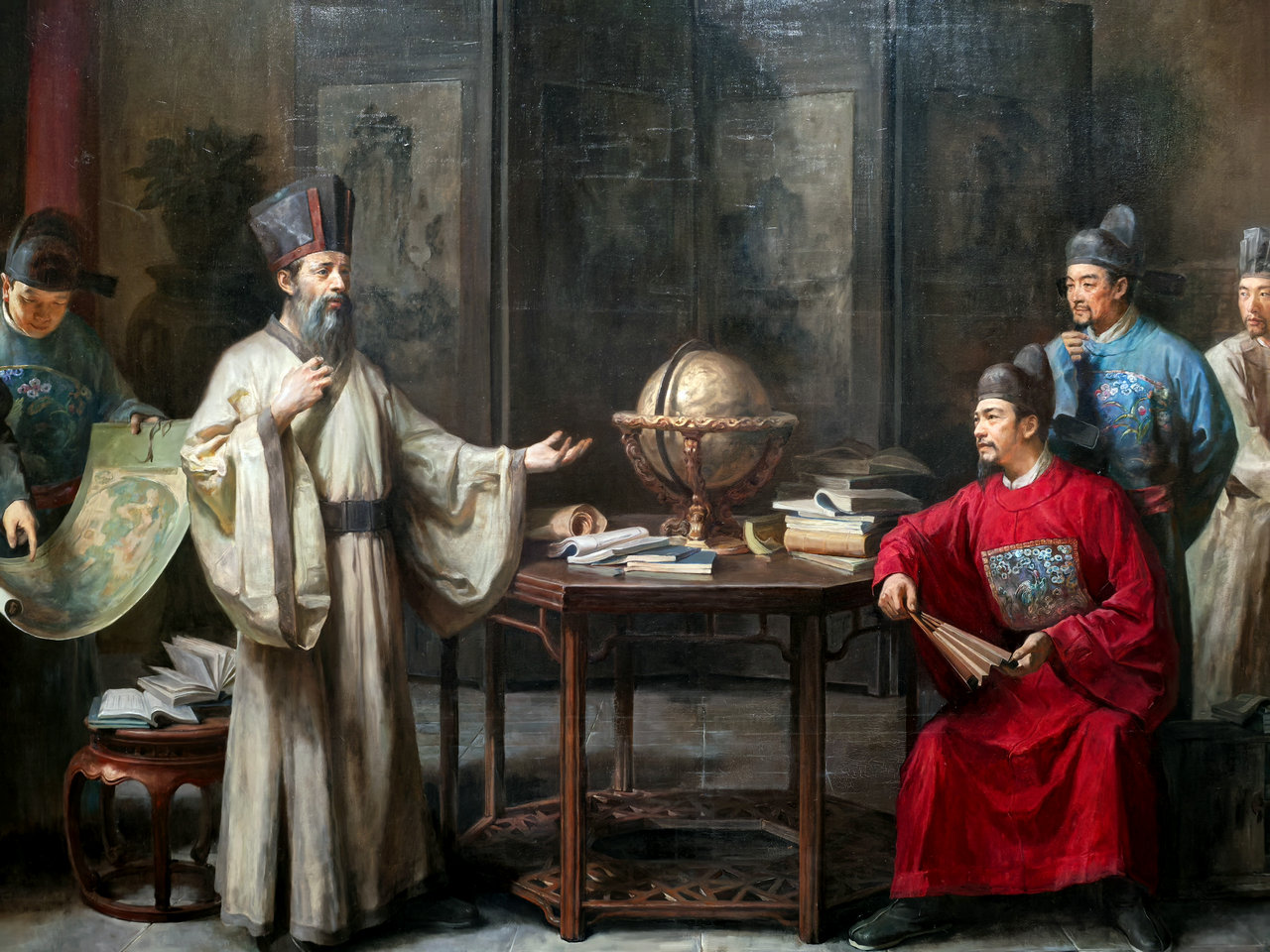
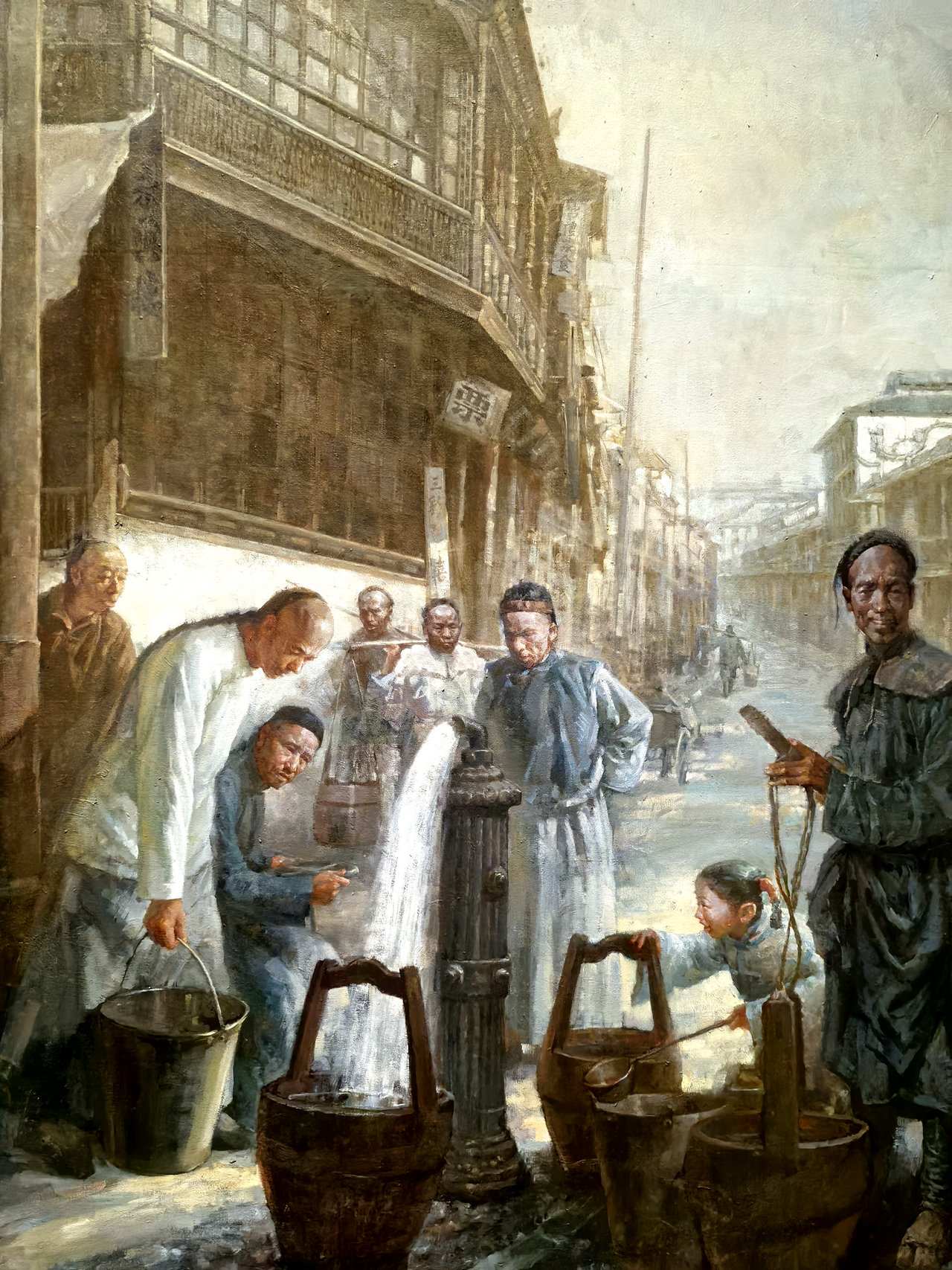
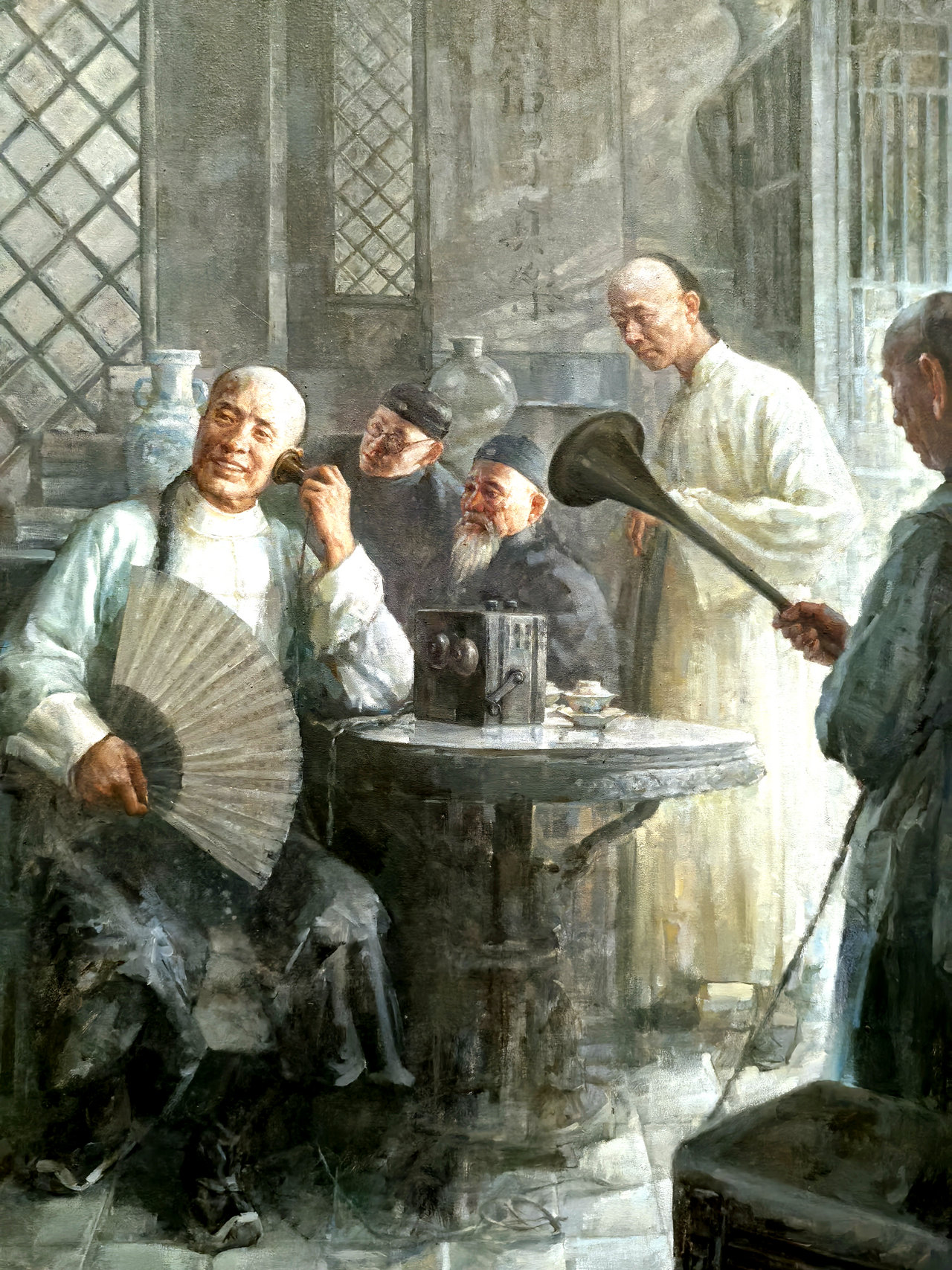
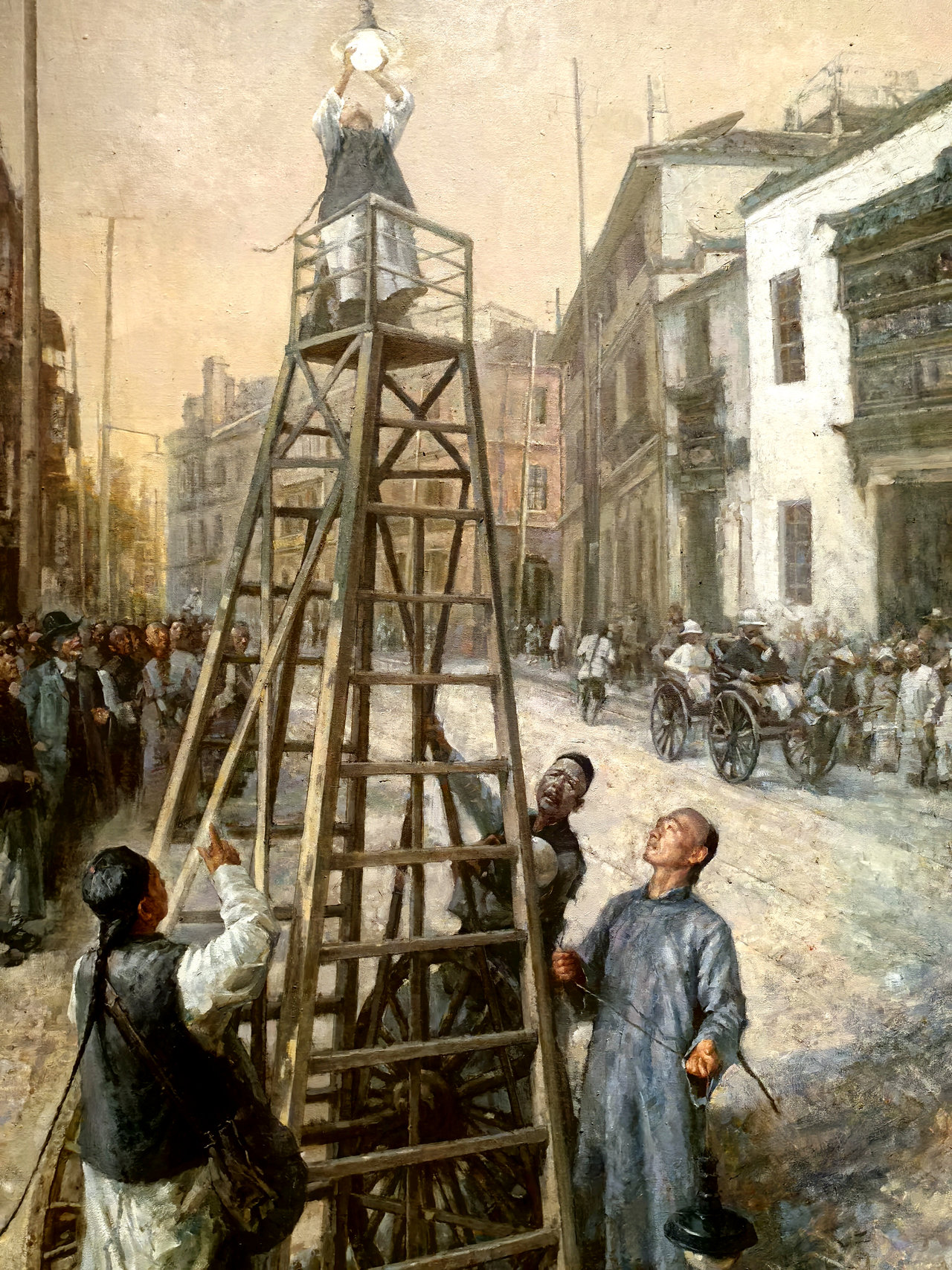
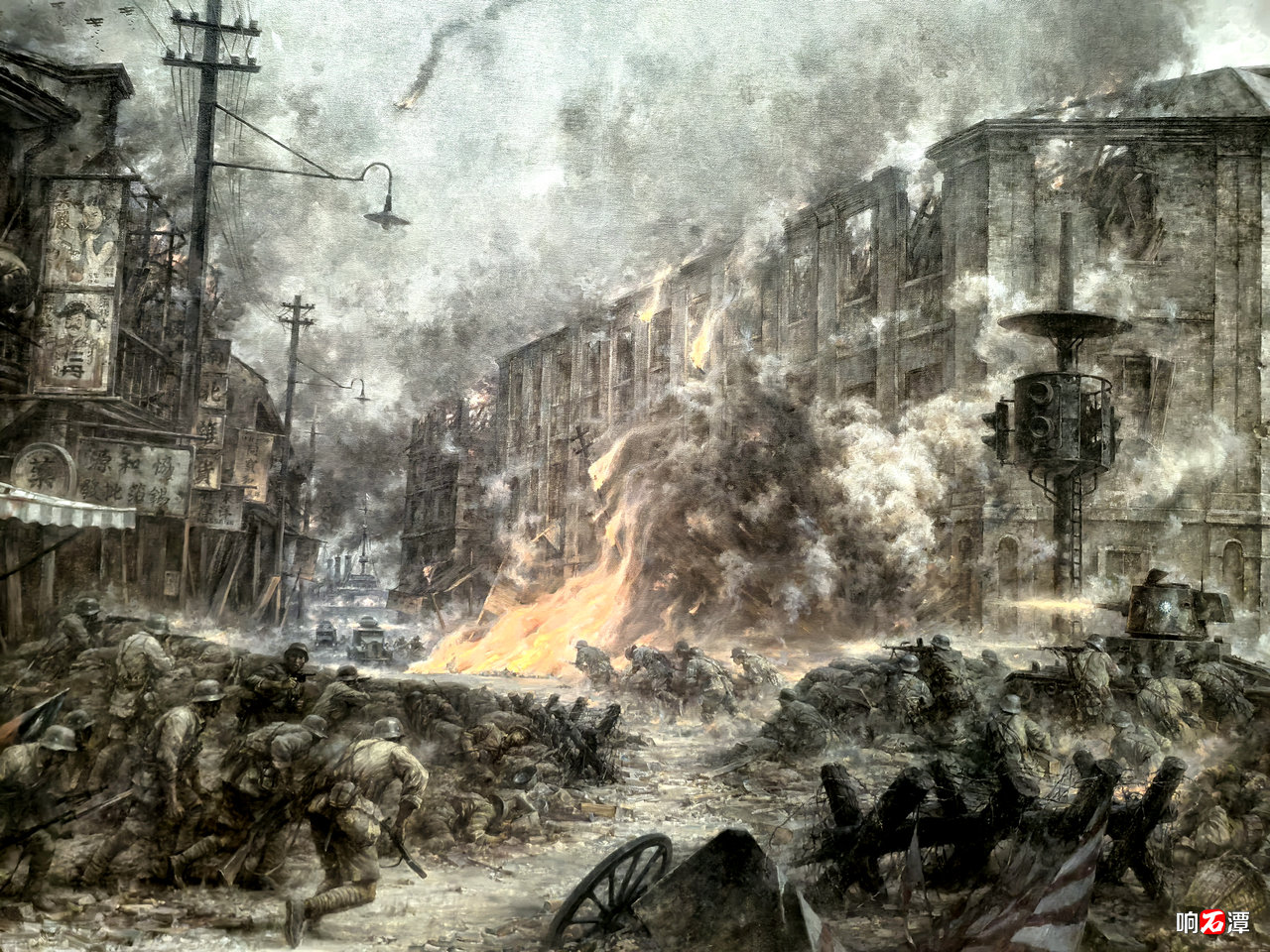
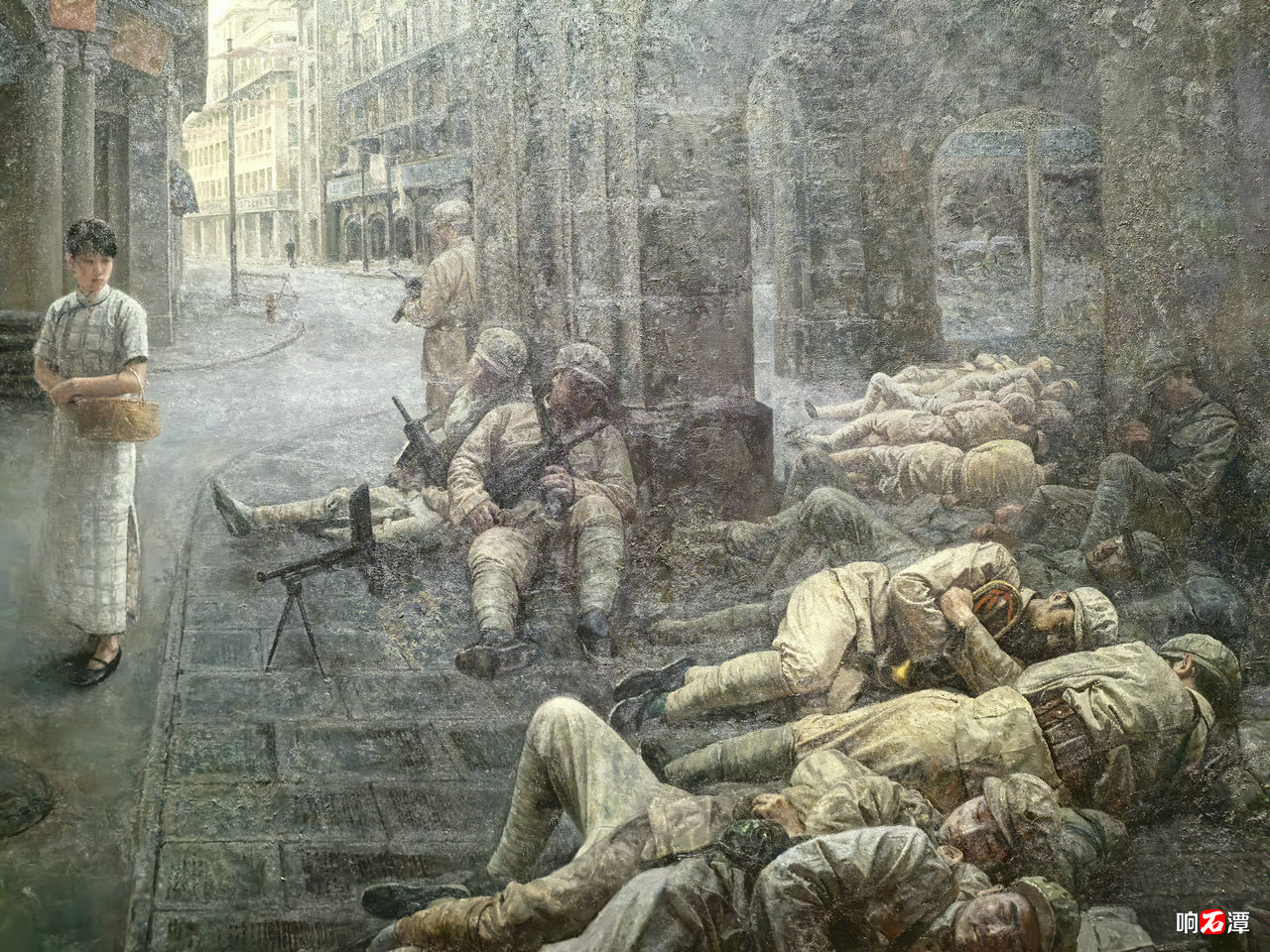
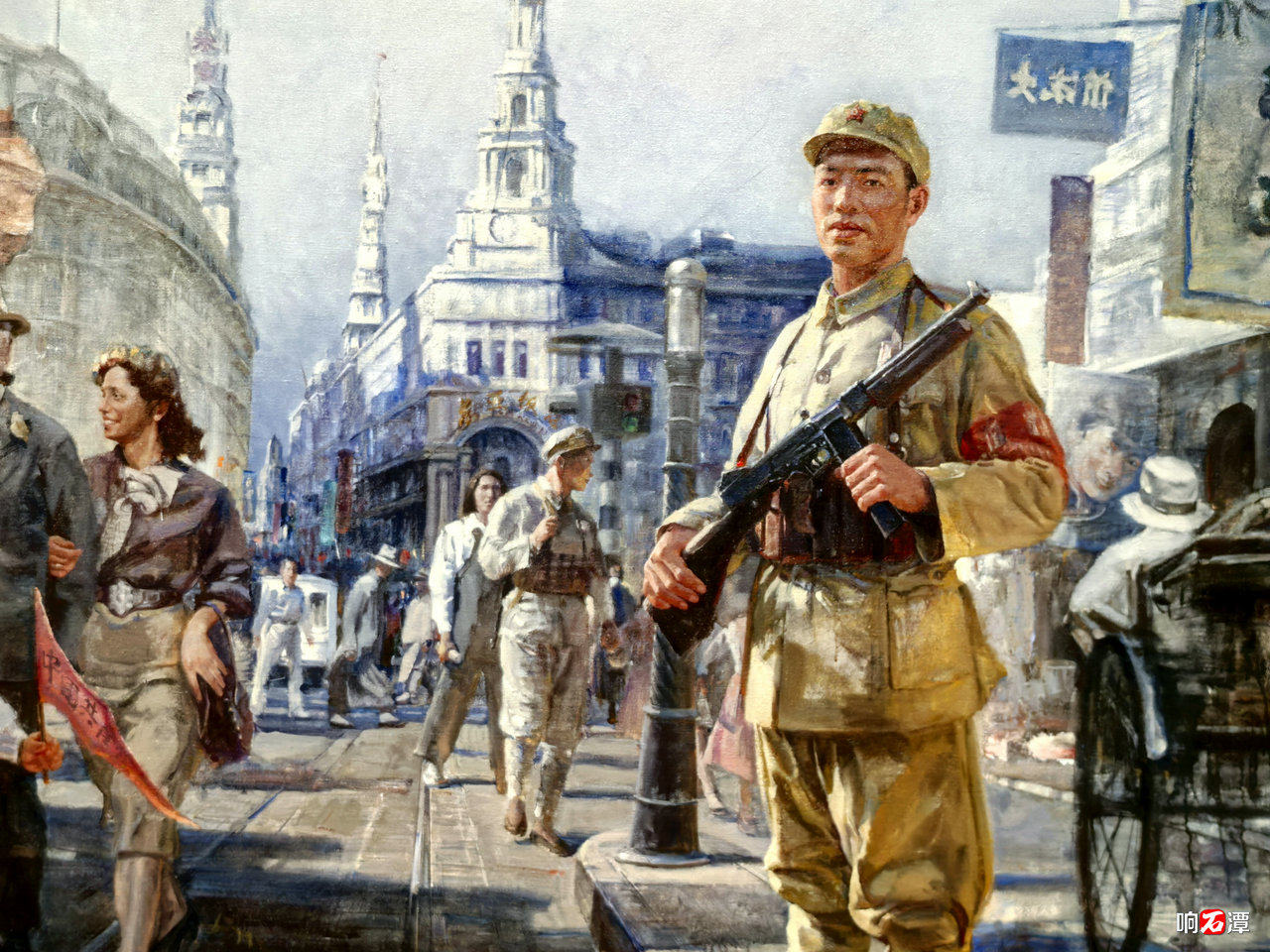
The exhibition viewed Shanghai through fine art, especially oil painting. Moving from one canvas to another, the city’s changes seemed to unfold in layers: the opening of the port, the rise of commerce, the figures who shaped its culture, the ambitions of reform and opening-up, and the continuing effort to define Shanghai as a modern, open, confident city. The spirit often associated with Shanghai—embracing all rivers, pursuing excellence, remaining open-minded and wise, grand yet modest—felt less like a slogan here than something traced through the city’s long transformation.
The winter of 1843: Shanghai opens its port
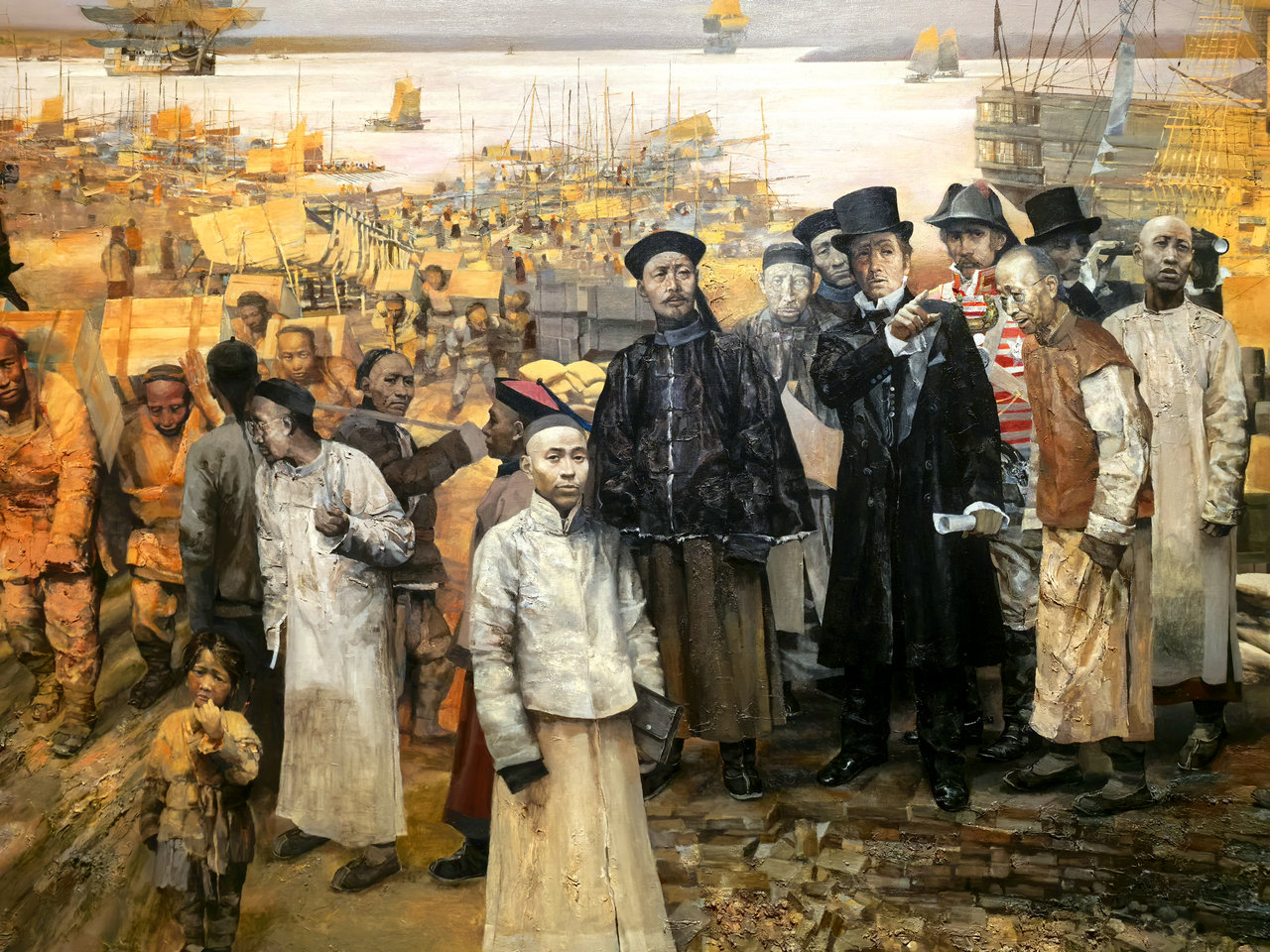
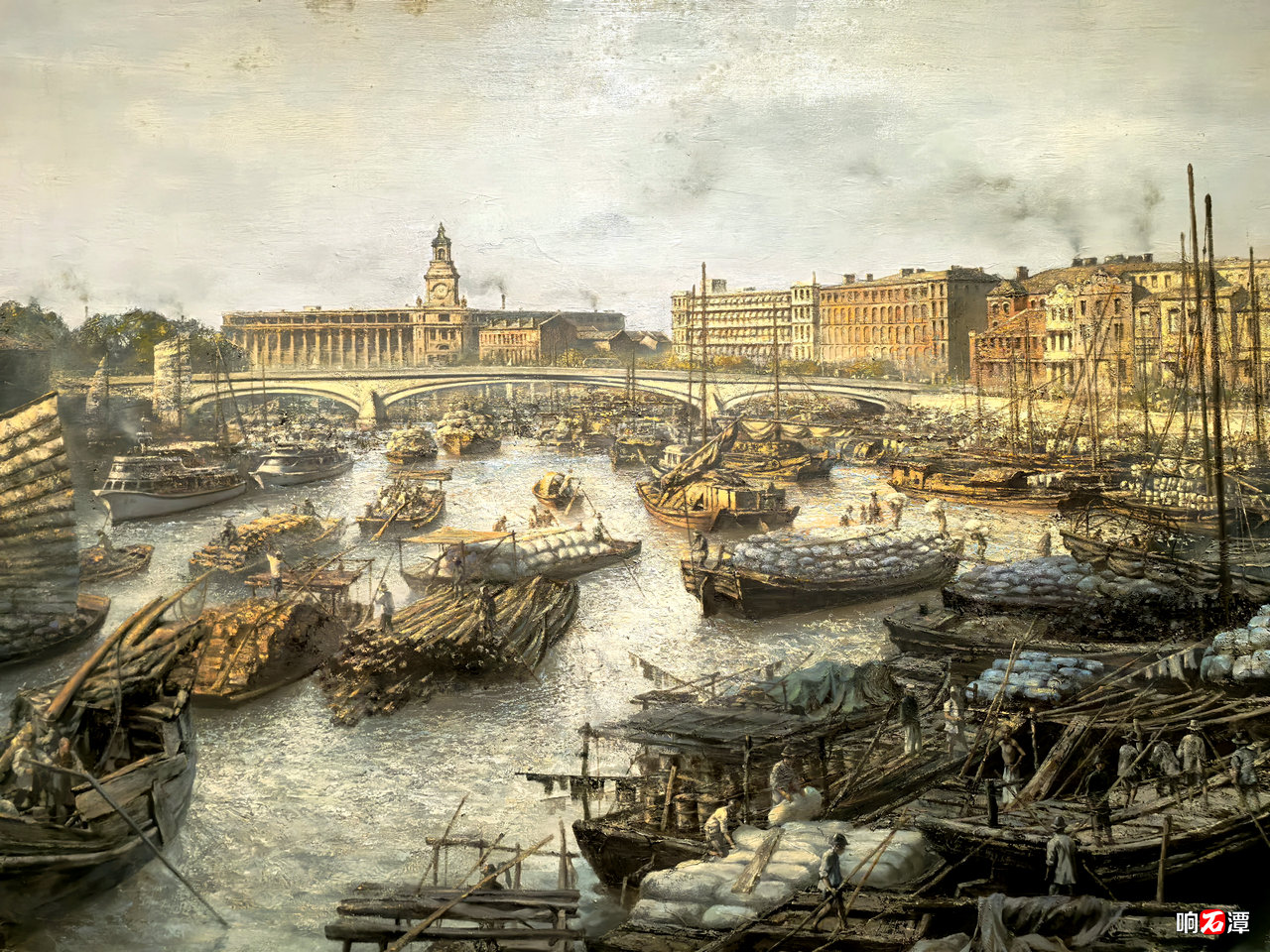
A key historical section returned to November 1843, when Shanghai formally opened as a treaty port. On November 14 that year, George Balfour, the first British consul in Shanghai, issued his first public notice after receiving authorization from Gong Mujiu, the Shanghai circuit intendant. The announcement declared the opening of the port, which officially took place on November 17.
The foreign settlement was then formally demarcated north of the old city, in the area known as Lijiachang, around today’s Beijing East Road. Its boundaries were the Huangpu River, Suzhou Creek, Yangjingbang—now Yan’an East Road—and Jielu, today’s Henan Middle Road. Yet in the earliest days, the settlement was far from a bustling district. It was still largely wasteland, riverbank, and burial ground, with few residents and no real commercial base. Foreign merchants continued to conduct much of their activity in the old city.
On the day the port opened, a foreign merchant ship that had already been anchored near Wusongkou entered the Huangpu River and later docked at Shiliupu. By December 31, seven foreign merchant ships had berthed in Shanghai. The largest, the Eliza Steward, had a draft tonnage of 423 tons; the smallest, the Mazeppa, carried 171 tons. The seven ships averaged 281 tons, with about 25 crew members each. In total, 175 foreigners arrived in Shanghai during that period. They purchased 433,729 yuan worth of Chinese goods and sold 146,072 yuan worth of foreign goods. The main Chinese exports were silk, tea, porcelain, and handicrafts; the foreign goods sold included clocks and watches, utensils, and opium.
Figures who shaped Shanghai
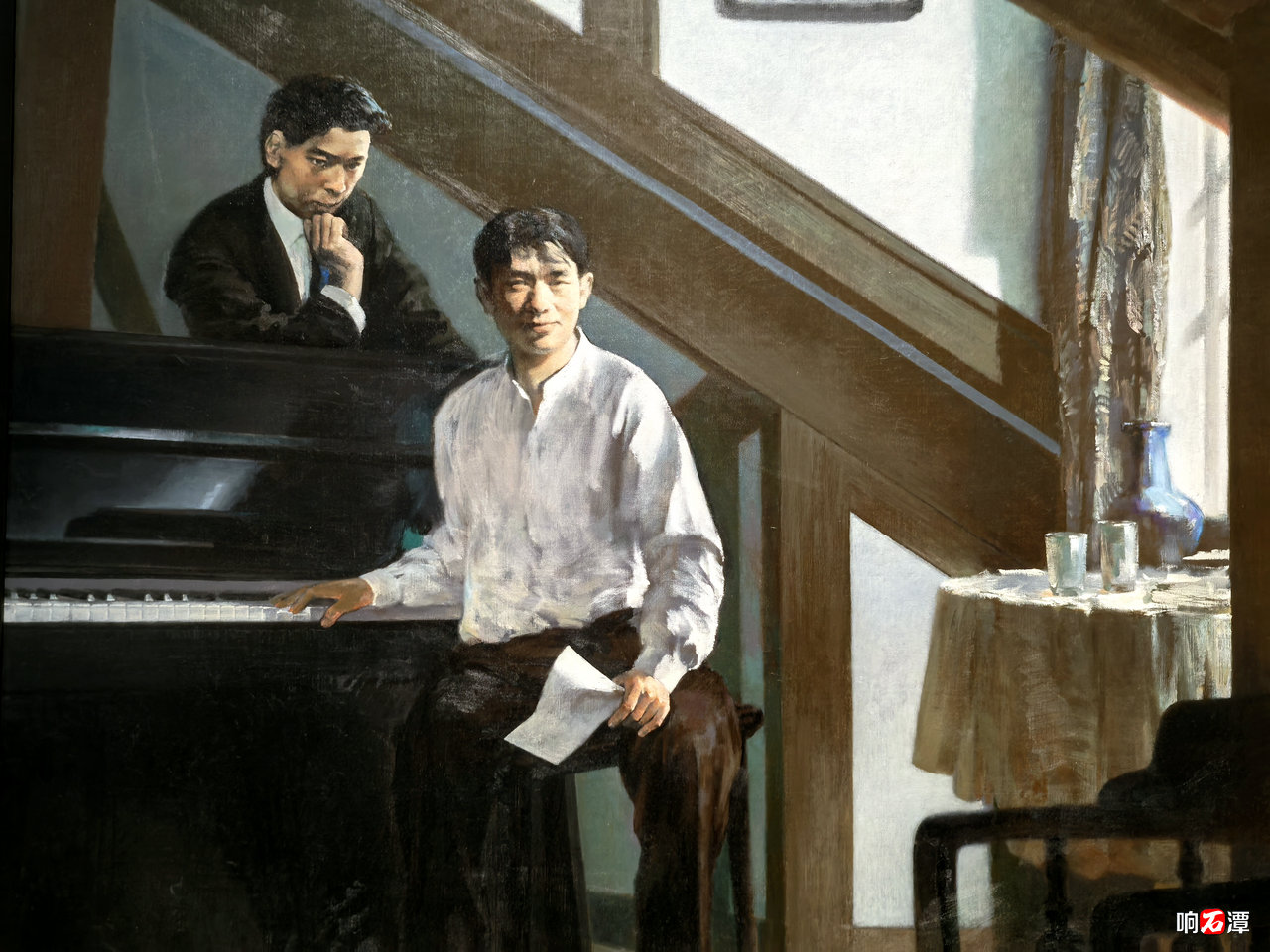
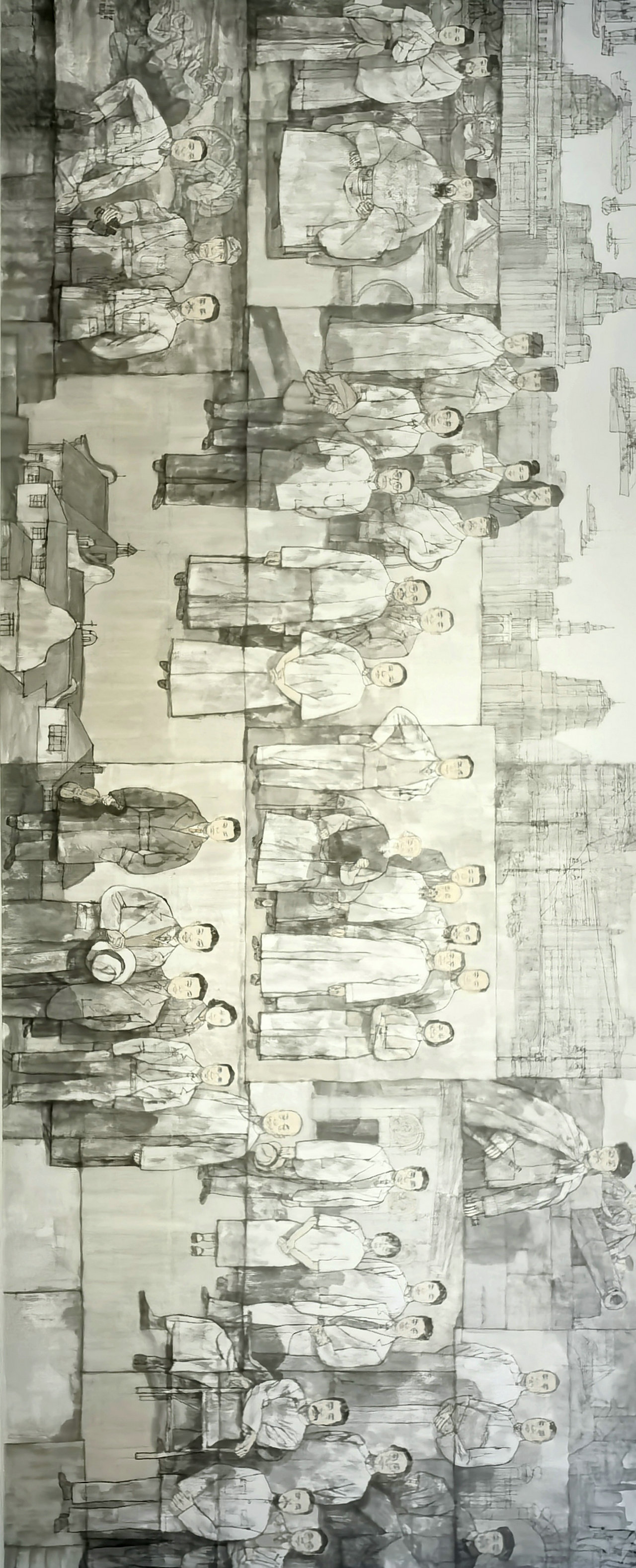
Another part of the exhibition focused on prominent historical figures connected with Shanghai. The city was presented both as an affluent and culturally active ancient urban center and as a major modern center of China’s economy and culture. Across its history, many reformers, scholars, industrialists, artists, writers, and public figures contributed to the making of the city.
Among the representative figures highlighted were Huang Daopo, Xu Guangqi, Wu Changshuo, Ma Xiangbo, Zhang Yuanji, Lu Xun, the Rong brothers, Zou Taofen, Soong Ching-ling, and Huang Yanpei. Rather than treating them simply as portraits of famous individuals, the exhibition used their achievements to suggest the turbulent and colorful history behind Shanghai’s rise.
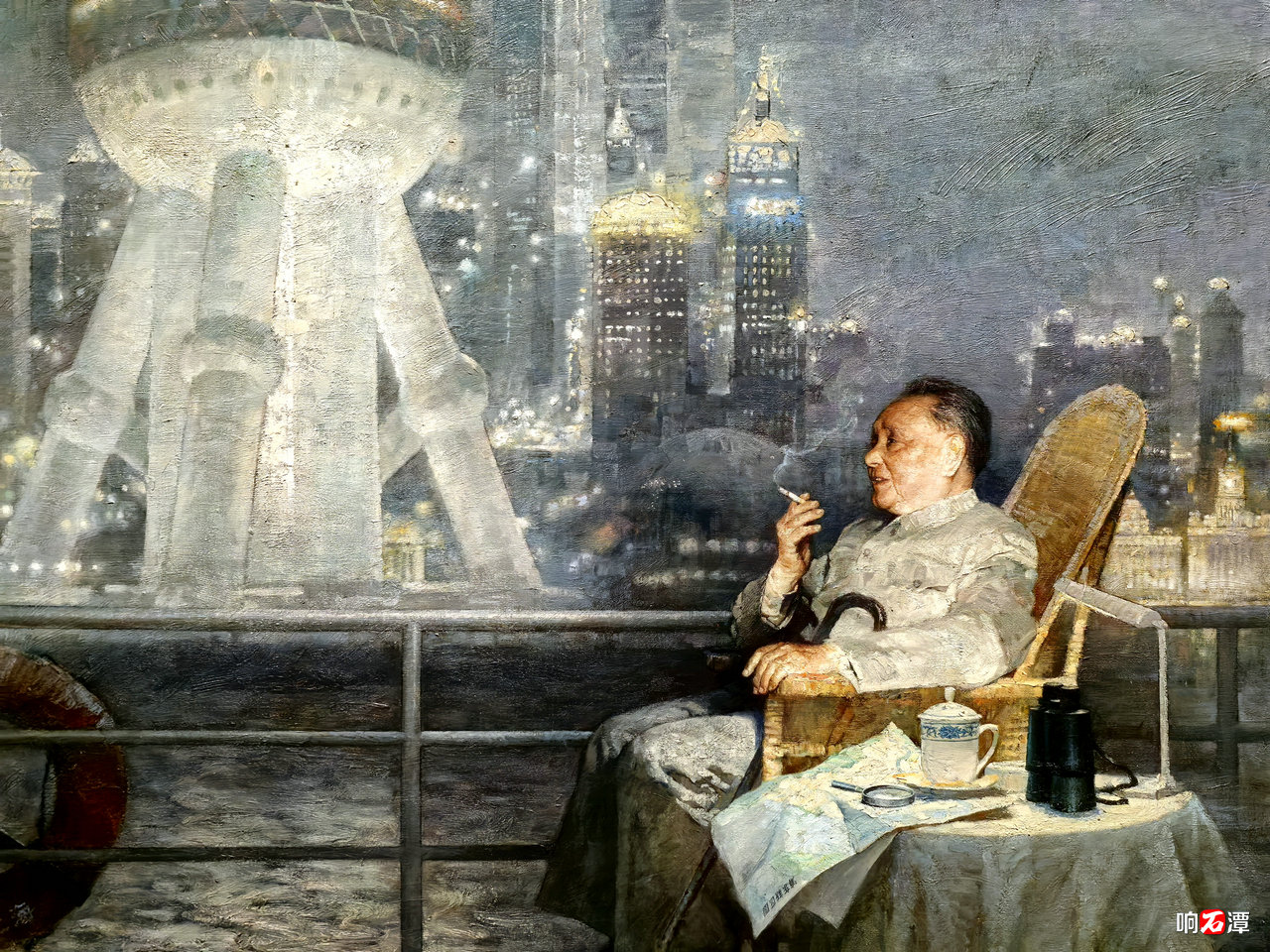
Imagining the Huangpu: Deng Xiaoping and Pudong
One oil painting, Imagining the Huangpu, takes as its subject a historic moment in the development and opening of Pudong. The work is based on Deng Xiaoping’s visit to Shanghai in February 1991. In the composition, Deng sits aboard a boat traveling along the Huangpu River, while behind him rise the modern towers of Pudong, including landmarks such as the Oriental Pearl Tower and the Jin Mao Tower.
The painting does not confine itself to one precise moment in time. It brings together the Pudong of Deng’s visit and the later brilliance of its modern night skyline, giving the work a romantic quality and making the word “imagining” central to its meaning. It is both a tribute to Deng Xiaoping and an artistic celebration of the achievements of China’s reform and opening-up.
The work won the silver prize at the Ninth National Art Exhibition and has been regarded as a classic among artworks on the theme of Deng Xiaoping. Its importance lies not only in recording a major historical process, but also in giving that process a vivid artistic form.
A new song on the Huangpu: rebuilding the stock exchange
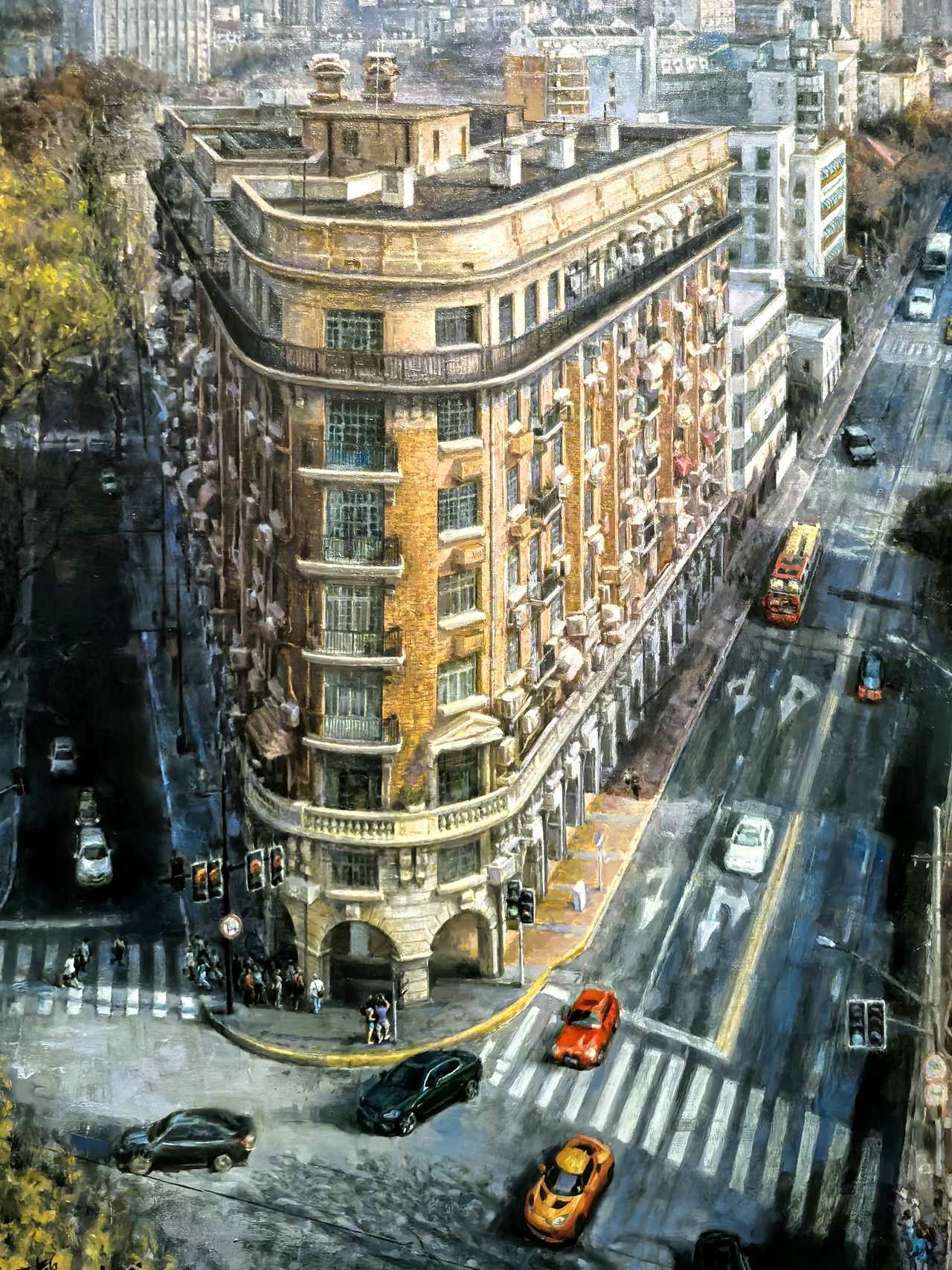
Shanghai’s role as a financial center also appeared in the exhibition through the story of the securities market. In the late nineteenth century, cooperation between domestic native banks and foreign-funded banks helped make Shanghai China’s financial center. After the 1920s, capital from Europe, America, Asia, and different parts of China flowed into the city, further raising Shanghai’s status as a financial center in Asia.
With abundant floating capital and the adoption of Western commercial practices, securities trading became a new way to establish joint-stock companies and raise funds. In 1914, twelve Chinese-owned businesses jointly listed and traded their shares, founding the Shanghai Stock Commercial Association. By 1919, it had developed into the Shanghai Chinese Merchants’ Stock Exchange. In 1934, the exchange completed the Shanghai Securities Building, now the building of the Shanghai Natural History Museum, and at the time it was the largest of its kind in Asia.
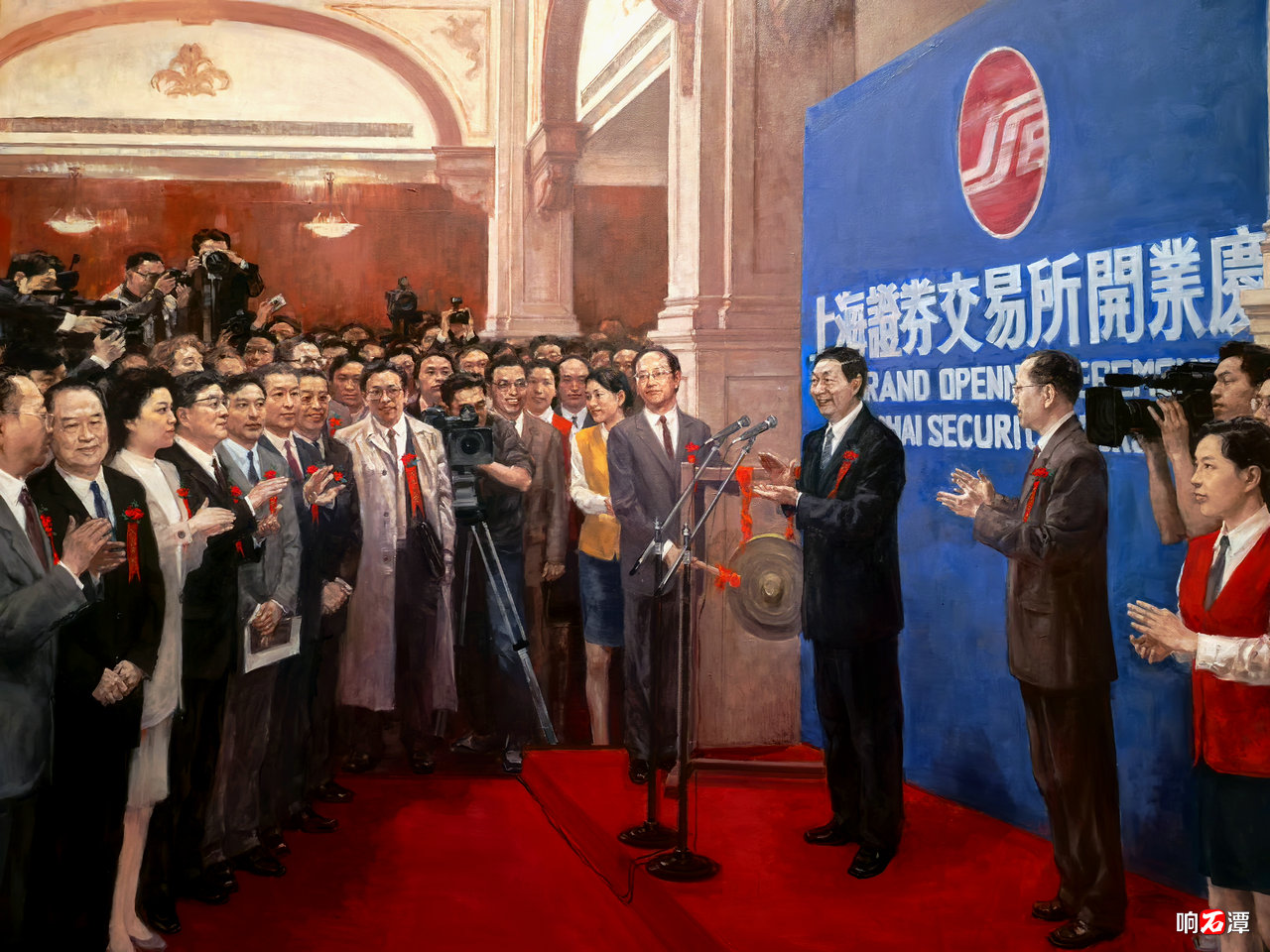
In 1952, securities trading was banned as a form of “speculation.” Decades later, with the call for reform and opening-up, Shanghai began to experiment again. In 1984, the Shanghai branch of the People’s Bank of China drafted provisional measures on issuing shares, allowing collective enterprises at the neighborhood level to test the restoration of stock issuance. In September, Huaning Industrial Company raised 3 million yuan in targeted share capital, marking its first share offering. In November, Feilo Acoustics Co., Ltd. became the first to publicly issue shares to society during its fundraising.
On September 26, 1986, the Shanghai Trust and Investment Company of the Industrial and Commercial Bank of China opened the Jing’an Securities Business Department, known as “Shenyin,” where shares were traded over the counter. On December 19, 1990, the Shanghai Stock Exchange was established as a national securities exchange.
In January 1992, several companies, including Shanghai Xingye Real Estate Co., Ltd., listed on the Shanghai Stock Exchange to raise funds. They adopted a system of first issuing “stock subscription certificates,” which gave buyers the right to apply for shares. Each certificate sold for 30 yuan. Although this added an extra charge, alert Shanghai residents understood that the restoration of stock trading in the city signaled the beginning of officially permitted private investment. People joked that “Uncle Deng had chosen Shanghai people to get rich,” and demand for the certificates was intense. The certificates themselves soon rose dozens of times in value, and after the shares were listed, prices surged even more. A new stock-investment fever began to spread among a younger generation of Shanghai residents.
Green Chongming
The exhibition also turned from finance and urban growth to ecology. Chongming, with its pleasant environment, is home to the Dongtan Nature Reserve, which attracts large numbers of migratory birds. It also includes the Yangtze Estuary Chinese Sturgeon Nature Reserve, described as a “nursery” for the Chinese sturgeon, a national first-class protected animal.
The idea presented here was of an island built on ecology, where different forms of life coexist. In the broader strategy for the development of the Yangtze River Economic Belt, Shanghai’s role is both an opportunity and a responsibility. The city’s long-term effort to protect and restore the Yangtze River environment rests on the principle of ecological priority and green development, with the aim of making Chongming a world-class ecological island and an important symbol of environmental protection along the Yangtze River Economic Belt.
Building the Party branch upstairs
The final themes moved into contemporary urban life and grassroots organization. In recent years, Shanghai’s urban community-level Party building has developed alongside the city’s rapid growth. With large numbers of new economic organizations and social organizations entering the city, and with hundreds of thousands of white-collar workers, highly paid professionals, and international residents gathering in its business districts, Party work has had to extend deeper into urban communities and achieve broader coverage.
The painting in this section is based on a Party group meeting made up mainly of young people. It depicts grassroots Party-building work in the city and the democratic life of the “Golden Collar Station” in Lujiazui, Pudong. Using the expressive language of oil painting, the work portrays a young female branch secretary who appears confident, optimistic, and full of energy, aiming to capture the spirit of young people in the new century. The bright colors suggest a hopeful future for the Party’s work.
The phrase “building the branch upstairs” refers to the establishment of grassroots Party organizations inside economic entities in Shanghai’s Lujiazui Finance and Trade Zone as enterprises developed there. The “Golden Collar Station” is a service and activity platform set up in Lujiazui for high-end professionals in finance, law, and related fields, while also serving as an important base for Party-building work.