I started watching Naruto in the second half of 2022. Out of 720 episodes, halfway is 340, and by today I’ve reached episode 396, watching the whole thing at 2x speed. These are my thoughts right after Naruto defeats Pain.
At this point in the story, Naruto has already used what fans jokingly call “Talk no Jutsu” to persuade Nagato. After that, Nagato spends the last of his strength to cast Samsara of Heavenly Life Technique, reviving the people who died during the invasion of Konoha.
What happened before that is still fresh in my mind: the six Pains of the Akatsuki—all controlled by Nagato—come after Naruto, the Nine-Tails jinchuriki, and use Shinra Tensei to flatten most of the Hidden Leaf Village. Naruto returns after mastering Sage Mode, defeats Pain, traces Nagato’s location through reverse chakra detection, and goes alone to speak with him.
And then there’s the pacing around this section, which honestly threw me off. Episodes 390 and 391 should have gone straight into Yahiko, Nagato, and Konan’s past—how they learned ninjutsu from Jiraiya, grew up together, suffered betrayal, and how Yahiko died trying to save Konan. Instead, the anime suddenly inserts two episodes about searching for the Fourth Hokage’s treasure. I genuinely could not understand that decision.
https://tmxbk39.com/wp-content/uploads/2023/02/20230210_161714.mp4
Konoha wiped out by “Shinra Tensei”
After learning Nagato’s story, Naruto basically tells him this: trust our teacher, trust me, we come from the same master, and I’m the child of prophecy that Jiraiya identified in his book. I’ll carry that mission forward, protect peace, and save the world. Nagato believes him, and in exchange gives his life to bring everyone back.
That conversation is exactly why people mock this as “Talk no Jutsu,” and I have to admit it felt absurd to me. Up to then, I thought the story was strong and the power scaling mostly reasonable. Then suddenly it felt like forced plotting and undeniable protagonist privilege.
Jiraiya’s death, when he sacrificed himself to uncover the truth behind the six Pains, genuinely almost made me cry. Then Kakashi burning through the last of his strength to protect Choji and dying as a result nearly got me too. And then, because the protagonist says some lofty, intangible things, all of that gets reversed in one stroke—except for Jiraiya. That really made me feel like the emotions I had invested had been cheated.
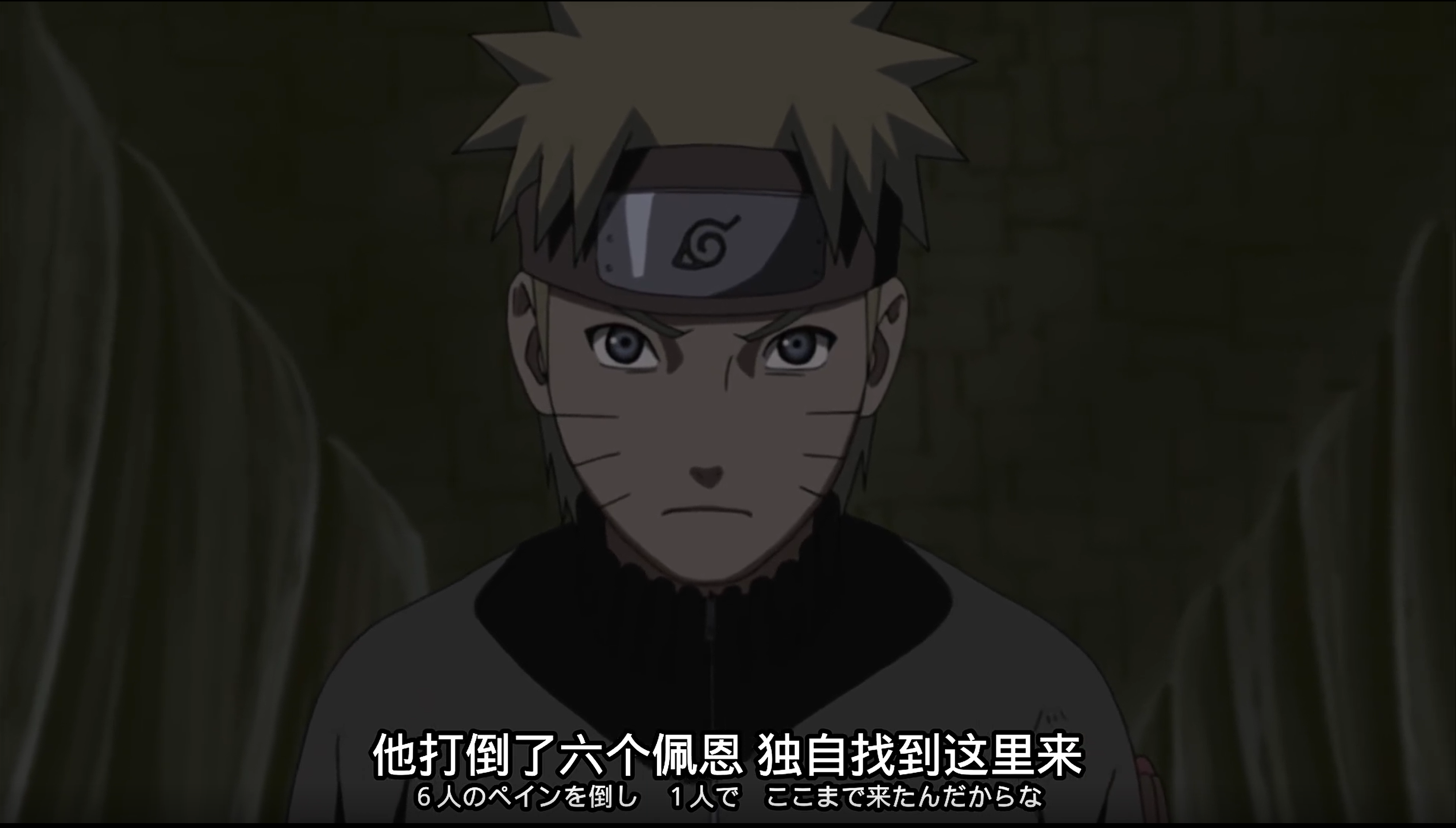
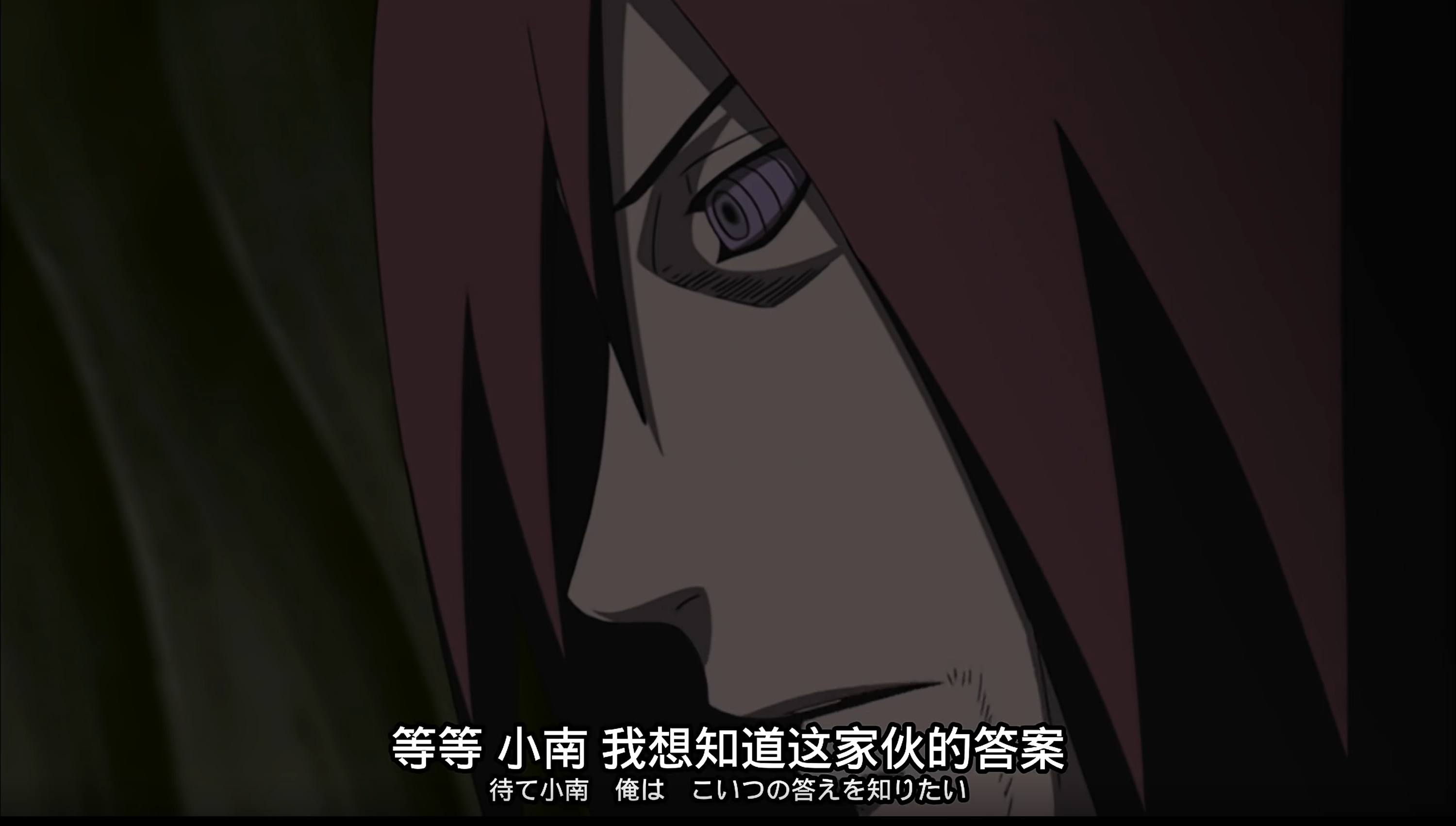
When I looked around online, it turned out I was far from the only person who reacted this way. Some people hate this part, some defend it, some think it works perfectly well.
The critics mostly say what I was already thinking: Naruto is protected by plot armor, and his ultimate secret technique is basically persuasion. Some even say later high points in the series rely on the same thing.
Others argue from a more pragmatic angle: if Nagato had refused Naruto, Naruto would have killed him anyway, and Konan likely wouldn’t have escaped either. In that reading, trading one life for many was simply the smartest and most dignified choice available.
Then there are people who connect it to real-world values and read the whole scene as a reflection of broader contradictions: glorifying peace without seriously grappling with what peace means or how it can actually be achieved. From that perspective, Nagato seems like the one who at least thought deeply and struggled honestly with the problem, while Naruto’s answer sounds morally pure but politically vague. Some even take it as an intentional reflection of social reality; others think the creators simply had no real solution to offer, in fiction or in life, so the story had to dodge the issue.
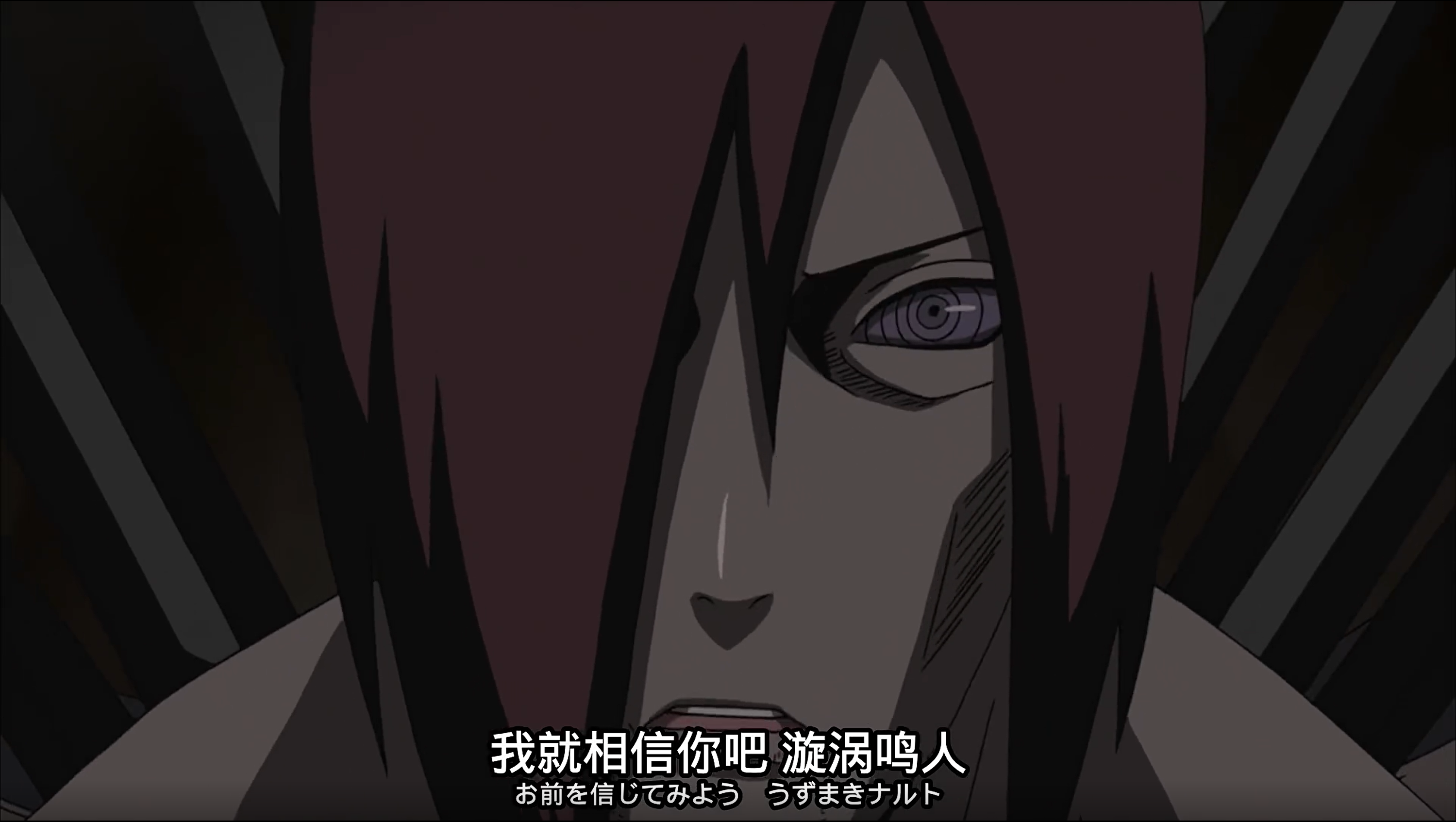
After reading a lot of different takes, the most convincing interpretation I found is this: Naruto didn’t really win Nagato over with words alone—he won him over through action.
By that stage, all six Pains had been defeated. Nagato was exhausted, Konan’s remaining combat power wasn’t enough, and they were no longer a match for Sage Mode Naruto. But more importantly, Nagato had killed Jiraiya, and Naruto—despite his grief—chose not to take revenge in the way Nagato expected. That is what shook him. Nagato kept talking about the endless cycle of hatred, and Naruto, instead of feeding that cycle, managed to defeat him without surrendering to vengeance.
That makes much more sense to me than the idea that Nagato was simply talked into changing his worldview in a few sentences.
It also explains why Jiraiya himself could not persuade Nagato back then. Nagato may not have known that his teacher had never truly given up on him. He may not have understood that something he once said had deeply changed Jiraiya, and that Jiraiya’s faith eventually shaped Naruto. In that sense, Naruto is the continuation of the part of Nagato that once believed in a different path. Seen that way, the scene becomes a lot more reasonable.
I was honestly close to dropping the series after this part. But after turning it over in my head again and again, I ended up feeling that it still works—at least enough for me to keep going.
I’ve been watching Naruto without skipping anything. I watch the side stories too. Other people always ask which episodes count as the “main plot,” but for me the point is to witness Naruto’s growth.
That’s really what the series is: one person’s coming-of-age story. Episodes 1 through 220 feel like they were made for viewers who were in elementary or middle school at the time, with bits of simple knowledge and straightforward lessons mixed in. After episode 220, once Naruto himself grows older, the series also starts feeling more suited to high schoolers and adults. Some of its ideas—even things like chakra nature transformation—brush up against ways of thinking about science, chemistry, physics, outlook on life, and attitudes toward death.
At this point I’m even tempted to try one of the Naruto mobile games.