One of the buttons on the kitchen range hood got pressed in and never came back out. It had to be dealt with immediately: there’s another baby on the way, and with cooking every day, going without a range hood wasn’t really an option.
The hood was bought in 2012. Even though four years had passed, it had barely been used. I work during the day, and my wife usually eats at the shop, so we almost never cook at home except for a few meals during the New Year period. If I had to guess, the thing had probably been used fewer than 50 times.
So if it’s broken, get it repaired, right?
I tracked down the seller I bought it from back then. His response was basically, “Call the 400 service number,” neatly washing his hands of it. Yes, the warranty had expired, but I wasn’t asking for a free repair. I bought the machine from him, after all. Still, there was no point arguing, so I left.
Back home, I was about to call after-sales service, then stopped. Once a product is out of warranty, repair charges can get ridiculous. You hear about that kind of thing all the time. The hood itself still looked to be in good condition, and throwing it away felt wasteful, so I decided to open it up and see for myself.
At first I thought it would be simple: the button had sunk in, so maybe I just needed to remove it and snap it back into place.
After taking it apart, it was obvious that wasn’t the real problem. The issue was the design itself:
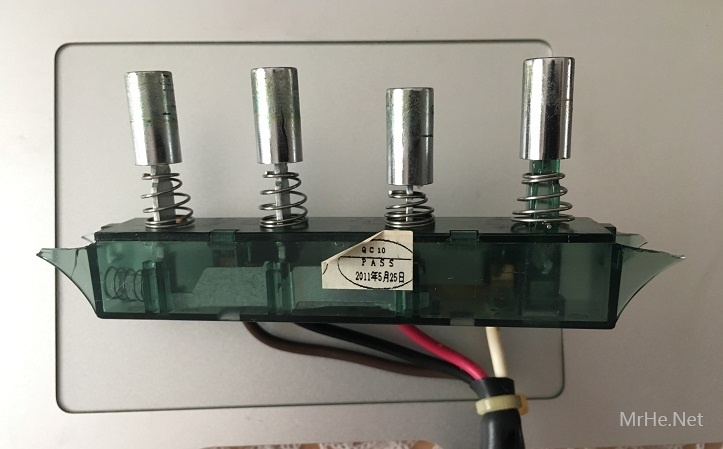
The carrier piece for the buttons was made of plastic. It was fixed with screws at both ends, and the buttons in the middle were pressed down against that structure. With a setup like this, failure was only a matter of time. If my unit had seen regular use instead of such light use, it probably would have broken within a few months.
So I went to Taobao and found a replacement part for 38 yuan:
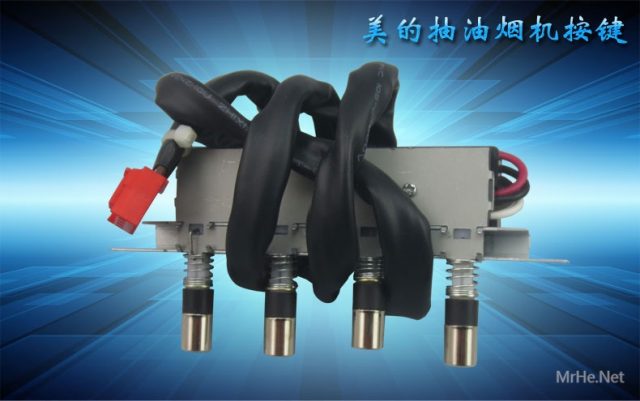
The difference is obvious. The mounting section underneath had been changed to metal, which is clearly much sturdier than plastic.
That raises a simple question: if a metal support is better, why didn’t the original manufacturer use one in the first place?
The answer is just as simple: cost cutting. It’s hidden inside, so buyers won’t notice. And once it breaks, repair becomes another source of income.
That’s the kind of “Made in shanzhai” thinking that leaves people speechless.