Three years have passed since my wife and I last played It Takes Two together. At the time, Shanghai was under lockdown because of the pandemic, and everyone was stuck at home working remotely. Days blurred into each other in front of a computer screen. During that stretch, my social feed was practically dominated by It Takes Two—friends who game regularly and colleagues who rarely touch games were all posting screenshots of finishing levels with their partners, with captions full of laughter and complaints. My wife and I bought a copy too, mostly to add some fun to our stay-at-home routine.
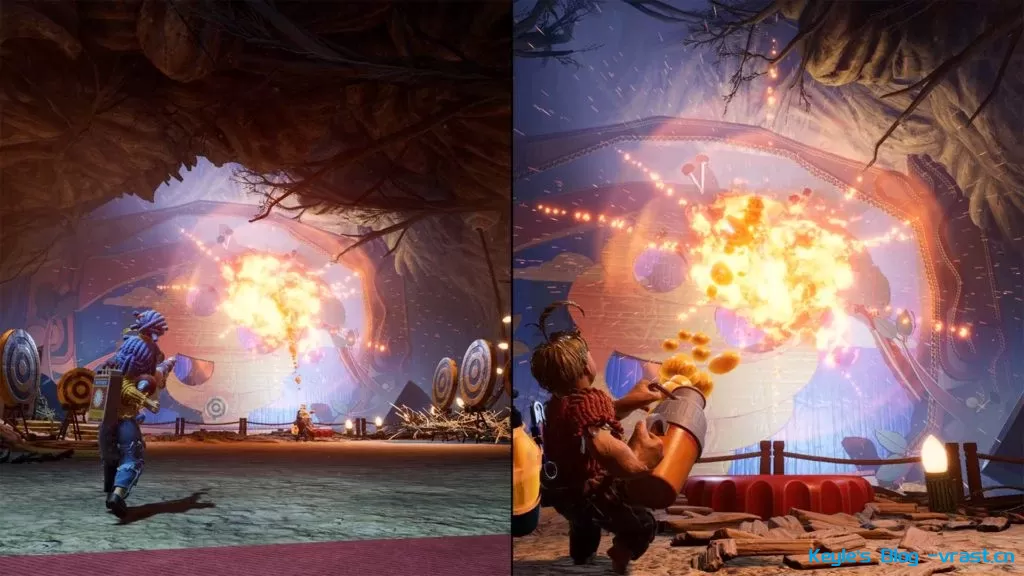
The game really was a blast. It's a two-player co-op action game, and it asks something of your hands: sometimes you have to coordinate jumps across platforms, or one player draws enemy fire while the other deals damage. If your timing is off or you fail to communicate, things fall apart quickly. But it isn't only about reflexes. Plenty of sections are puzzle-heavy. In some levels, each player sees different clues, and you have to compare notes before you can figure out what to do. My wife and I once spent ages on a single puzzle, going back and forth, arguing over what we were seeing, and then suddenly everything clicked. That feeling of solving it together was incredibly satisfying.
After work, we'd start at ten in the evening and often keep going until two in the morning. Sometimes my clumsy controls would cause us to fail a section, and she'd pretend to be annoyed, give me a light smack, then laugh and say, 'Let's try again.' We played like that for more than a week and eventually cleared the final level. That sense of 'we got through this together' is still vivid.
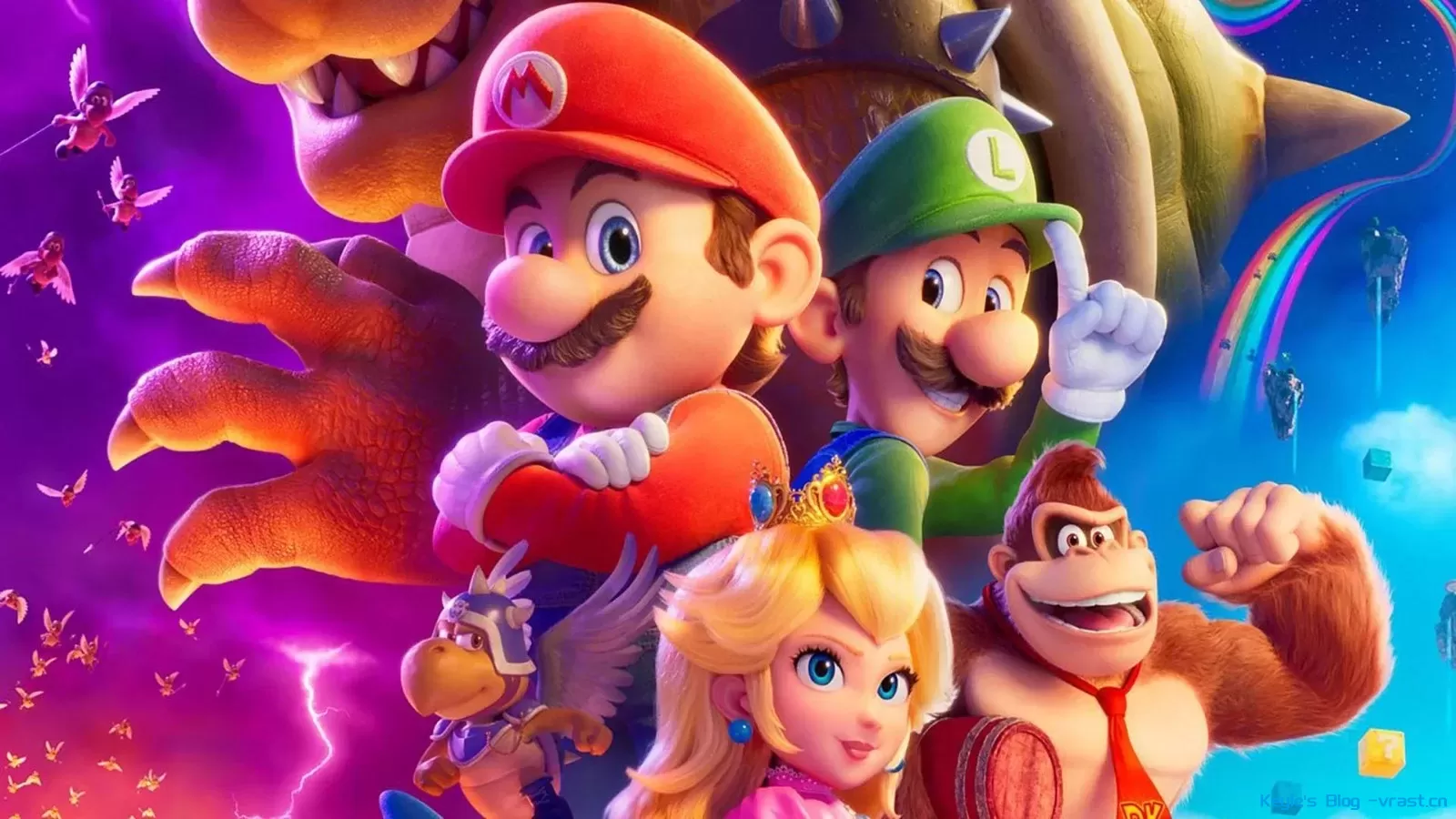
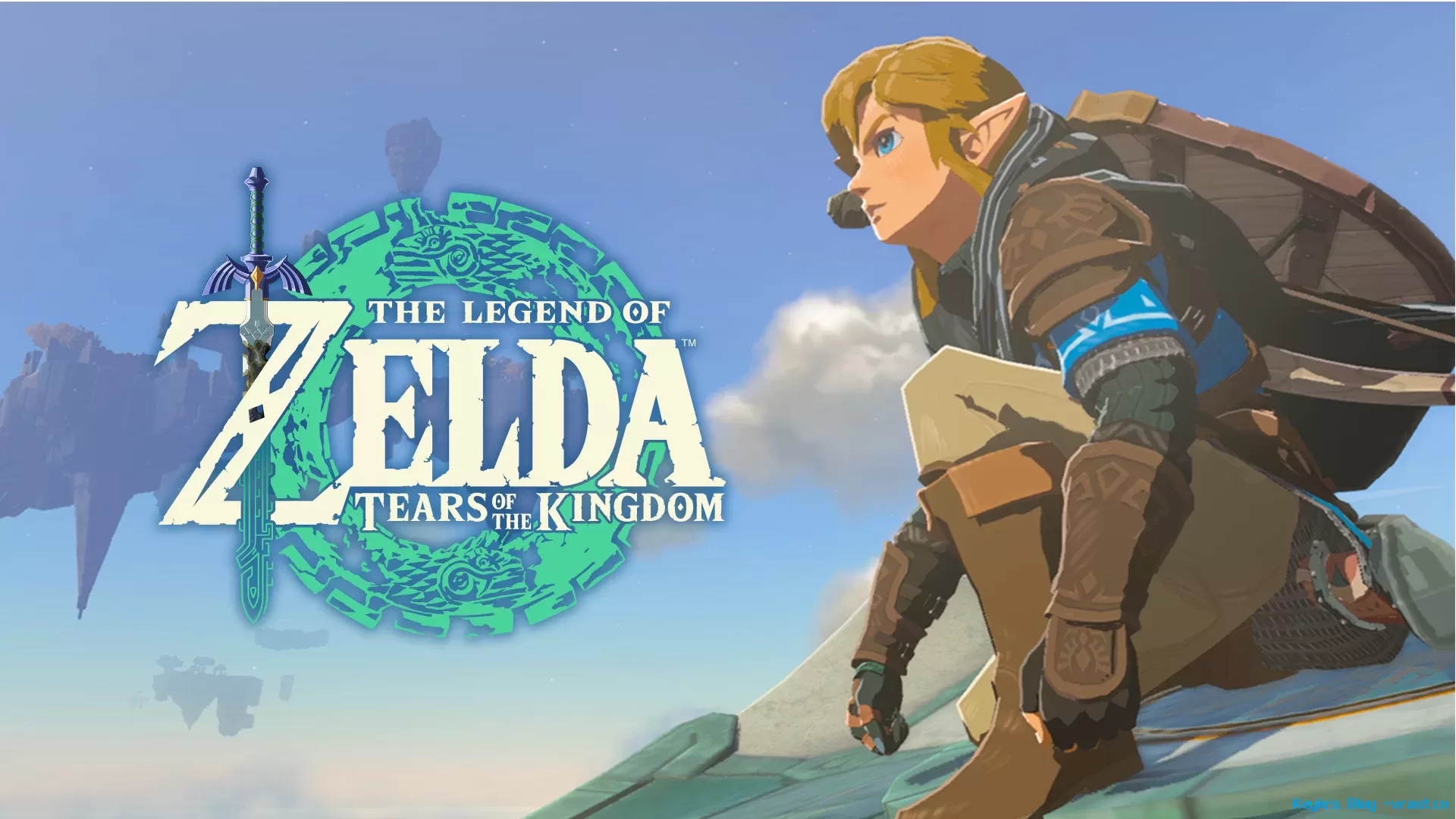
I work in the games industry, so I'm not against kids playing games. I just pay closer attention to which games they play. The Zelda series, for example, offers a wide-open world full of exploration, and kids can let their imaginations run wild without much violence—it's a great fit. The Mario games have a cute art style, are easy to pick up, and still keep you alert as you clear stages; they're popular with children too. Puzzle games are another good option because they build logical thinking.
Generally, I'd rather recommend console games. Most of them have clear age ratings, and their content is more likely to match different age groups. Online games are harder to recommend. The environment is messy, you meet all kinds of people, and sometimes strange players show up—not a great influence on kids. Online games are also heavily social, which makes it easy for children to get hooked. On top of that, many lack strict age ratings, and some content may not be suitable for young players. Those are my main concerns.
Last week my niece came over, and the moment she walked in she started asking to play a two-player game. My PS Plus subscription had just expired, and I thought, at least I won't have to play Earth Defense Force again. It's co-op, sure, but the story mostly amounts to assembling every kind of gun and mech and blasting aliens, and it gets repetitive after a while. The little one was sharper than I expected: she immediately asked for Overcooked or Luigi's Mansion 3 on the Switch.
Both of those made me nervous. Overcooked is a friendship-ending machine. It demands tight coordination: two people scrambling around a kitchen, chopping ingredients, washing dishes, trying not to bump into each other. One small mistake ruins the order. When my wife and I played, we often had to retry a level many times, and we'd get stuck at the bigger stages. I wasn't eager to go through that again. As for Luigi's Mansion 3, my wife and I had finished it once, and then I played through it twice more with my niece. I know every corner and every puzzle, so I had no interest in another run.
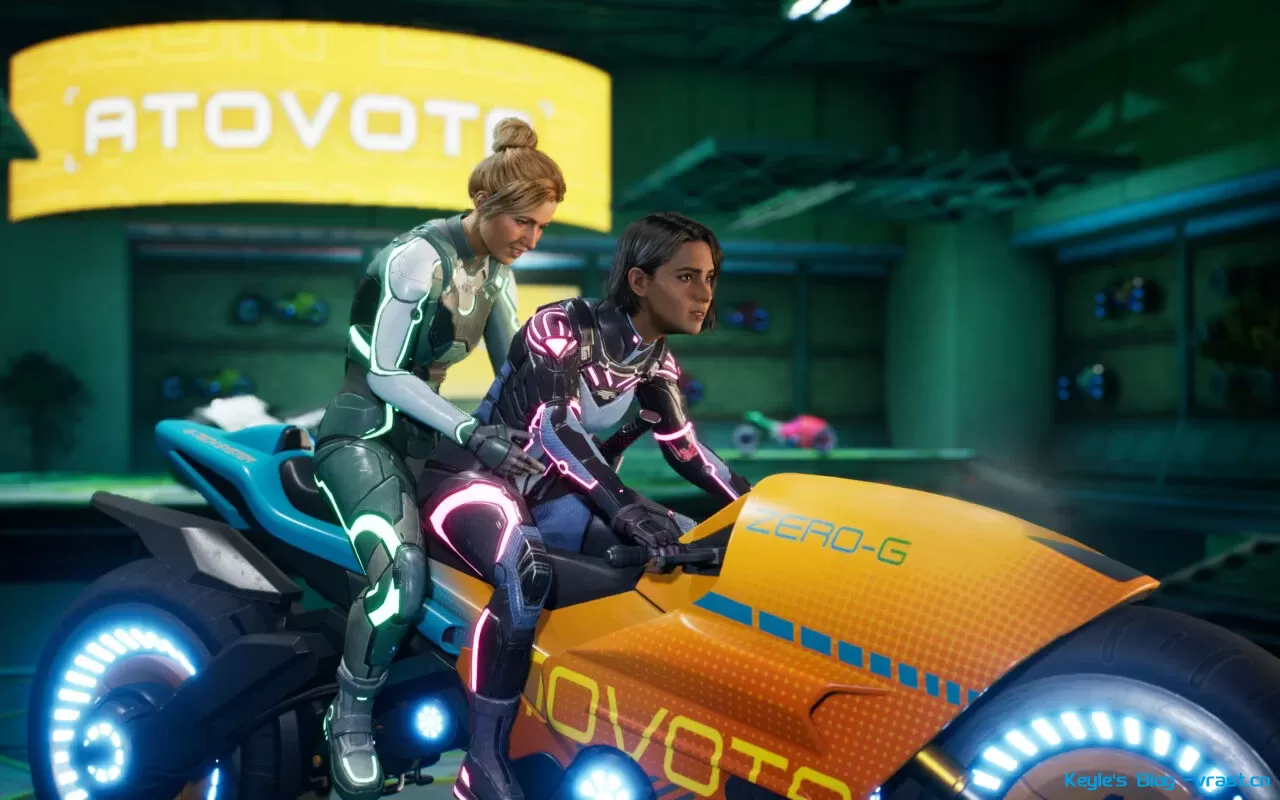
So I pitched Split Fiction instead. I told her how fun it was, how polished the visuals looked, how clever the puzzles were, and eventually convinced her. We bought it. The purchase itself was the easy part; what mattered was keeping the kid happy and settled. When I told my wife it was the follow-up to It Takes Two, she said 'Buy it, buy it' right away—clearly she still remembers our co-op run fondly. We ordered it after eleven that night, and the game was 74 GB, so the download would take around two hours. We had to wait until the next day.
Unfortunately, my niece had to go home before noon the next day. We squeezed in a little over an hour and only reached a side mission in the first chapter. As she was leaving, she kept saying how much fun it was and that she wanted to play again next time.
Here's a bit of the story background for Split Fiction.
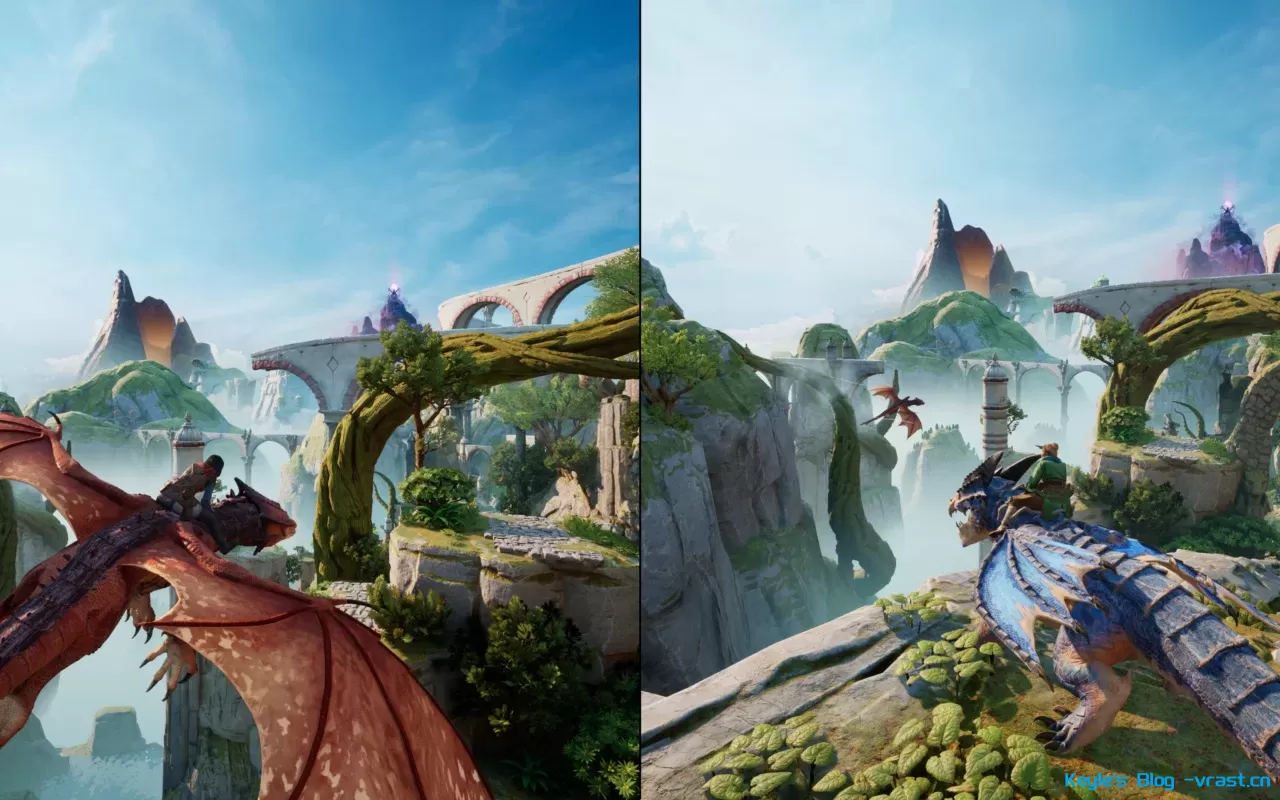
Split Fiction follows two writers with very different styles, Mio and Zoe. Mio is a science fiction writer scraping by in the city, worrying about making a living. Her work is full of neon-lit future cities and cold mechanical space stations. Zoe comes from the countryside, full of dreams and eager to prove herself as a fantasy writer. Her worlds have dragons soaring through the sky and magic spilling everywhere.
To get their books published, they enter a mysterious publisher called Rader, which claims its advanced machines can make their dreams come true. Instead, they stumble into a plot to steal their creativity. When Mio senses something is wrong and tries to leave, she accidentally gets pulled into Zoe's fantasy simulation. From there, the two are trapped in a bizarre virtual world woven from their own stories. They have to work together to find a way out and stop the publisher's scheme.
As the game progresses, players shuttle back and forth between science fiction and fantasy. In Mio's sci-fi worlds, you might find yourself in a busy future city as a cyber ninja with anti-gravity abilities, running along skyscrapers, or in a space complex beside a dying star, dodging stellar pulse explosions and dealing with odd characters like a robot parking attendant. In Zoe's fantasy worlds, there are old towns overrun by trolls, where you jump across flags swaying in the wind, and mysterious towers where you use mechanisms to avoid ogre guards.
Each setting comes with its own puzzles and challenges. In one sci-fi level, one player might operate a program while the other cracks a mechanical mechanism; in a fantasy level, you may need to alternate elemental spells to trigger chain reactions and clear the way.
That's a quick rundown of what we've been playing and what I've been recommending lately.