Before anything started
Sunday, February 20, 2022.
March was getting close, which meant the apartment in Guiyang was finally nearing handover. I had already been thinking for a while about writing one long, ongoing record about this place, and this became that document: a full-cycle log of everything leading up to move-in.
The plan was never just to note down renovation progress. I wanted to keep track of the whole process in detail—design ideas, floor plan revisions, construction, furniture and appliance purchases, soft furnishing choices, finished results, and all the little thoughts that come with doing up a home seriously. Partly it was for future memories, and partly because this kind of record might be useful to anyone about to go through renovation themselves.
The site open day: finally seeing the place properly
On Tuesday, February 22, after repeated follow-ups, the property management finally confirmed that the construction site would be open to owners that weekend, February 26–27. As usual, an open day like this meant one important thing: it was time to measure the apartment and start the design work, which also meant handover was not far away.
After making an appointment with the property manager, I set Saturday, February 26 at noon for the first measuring visit. We also brought family along to look around the compound, get familiar with the neighborhood, and treat it as a bit of an outing.
That morning started with the usual rush of getting Dongdong up for his prep class. By 12:30 we arrived at the community and began measuring the apartment. The drawings were produced that afternoon. The actual usable interior area came out to 122.7㎡, with a purchase area of 129.3㎡ and shared/common area of 6.6㎡. With that, design work officially began.
There was also a small side note that day: I paid a 500 RMB deposit to the developer’s own renovation company as well, mainly so I could compare their proposal alongside the other option.
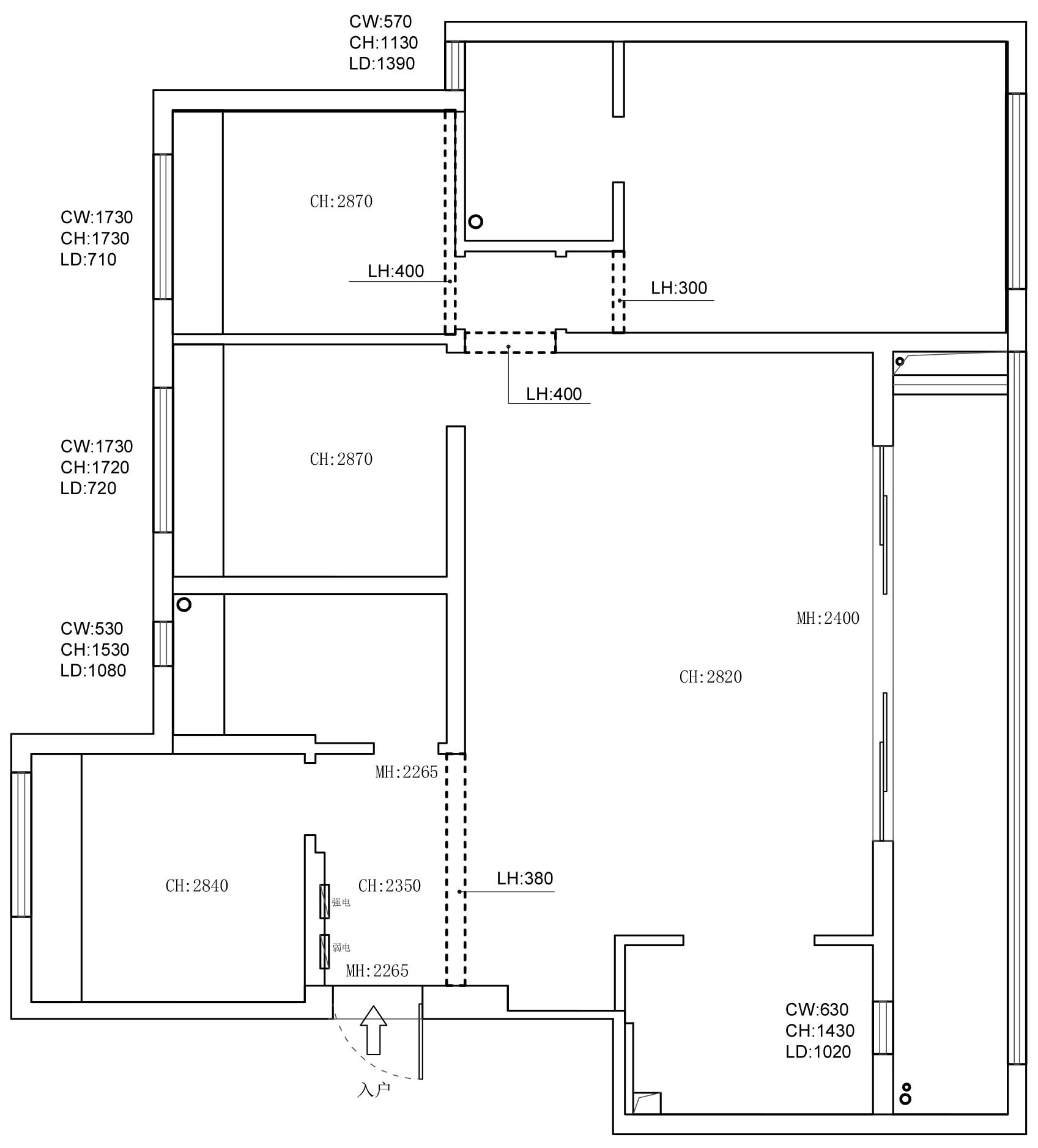
Renovation: the indecision, the plans, and finally choosing a company
The first dilemma: who to trust with the renovation
Because this might realistically be the last home we move into, at least judging from our current circumstances, and because we had already stepped into too many renovation pitfalls with our previous home in Zunyi, my wife and I agreed on one thing early: this time we did not want to settle.
We wanted a thoughtful design and a proper renovation.
After visiting several showrooms earlier, I felt one of the renovation companies there looked promising, and I also happened to know the person in charge. So at first I leaned toward them. But it was still only a preliminary decision. We planned to keep comparing options, because money was tight and whatever could be saved still mattered.
The owners’ group chat was also full of cautionary tales. One household downstairs had chosen a different company and had clearly been burned badly—they were in the group complaining almost every day. In the end, it really does come down to this: you get what you pay for, but you still have to pick someone reliable.
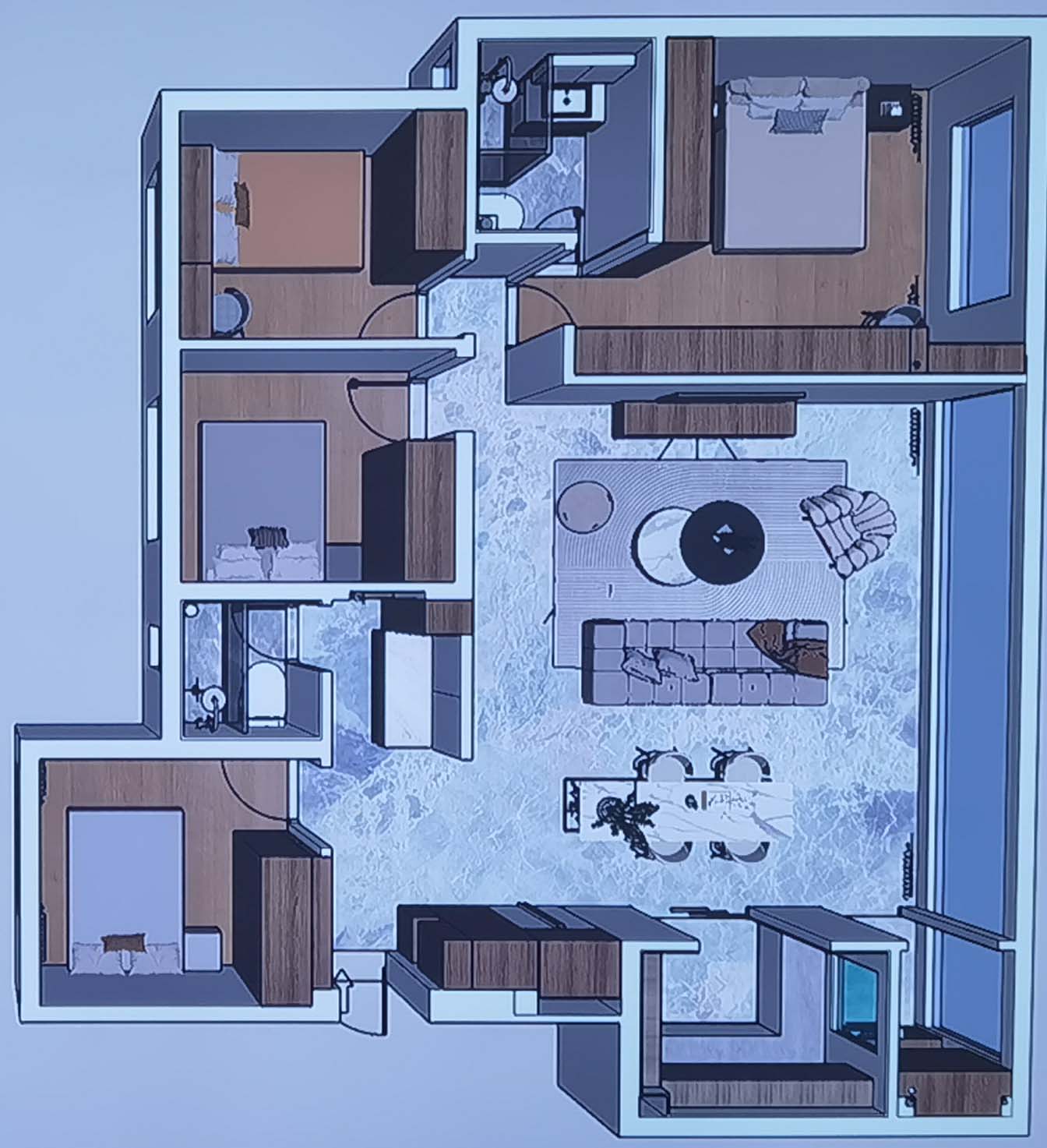
On March 2, I went to see the design proposal in person. Overall, it was solid, though a few areas still needed adjustment. The initial design fee quoted was 21,000 RMB, far beyond my budget. Later it came down to 15,000 RMB, but I still wanted to negotiate further. At that point the total all-in cost estimate was about 350,000 RMB, though of course the final number would depend on materials and finishing choices.
The first draft looked like this:
Choosing them in the end
Over the weekend of March 5–6, I had to go back to Zunyi for other matters, and in the meantime this company had already completed a design proposal without charging me anything. I liked the plan, and I had a good impression of the designer himself, who was the design director. So I made the call: I chose them.
The following week I planned to go and cancel the other company’s 500 RMB deposit.
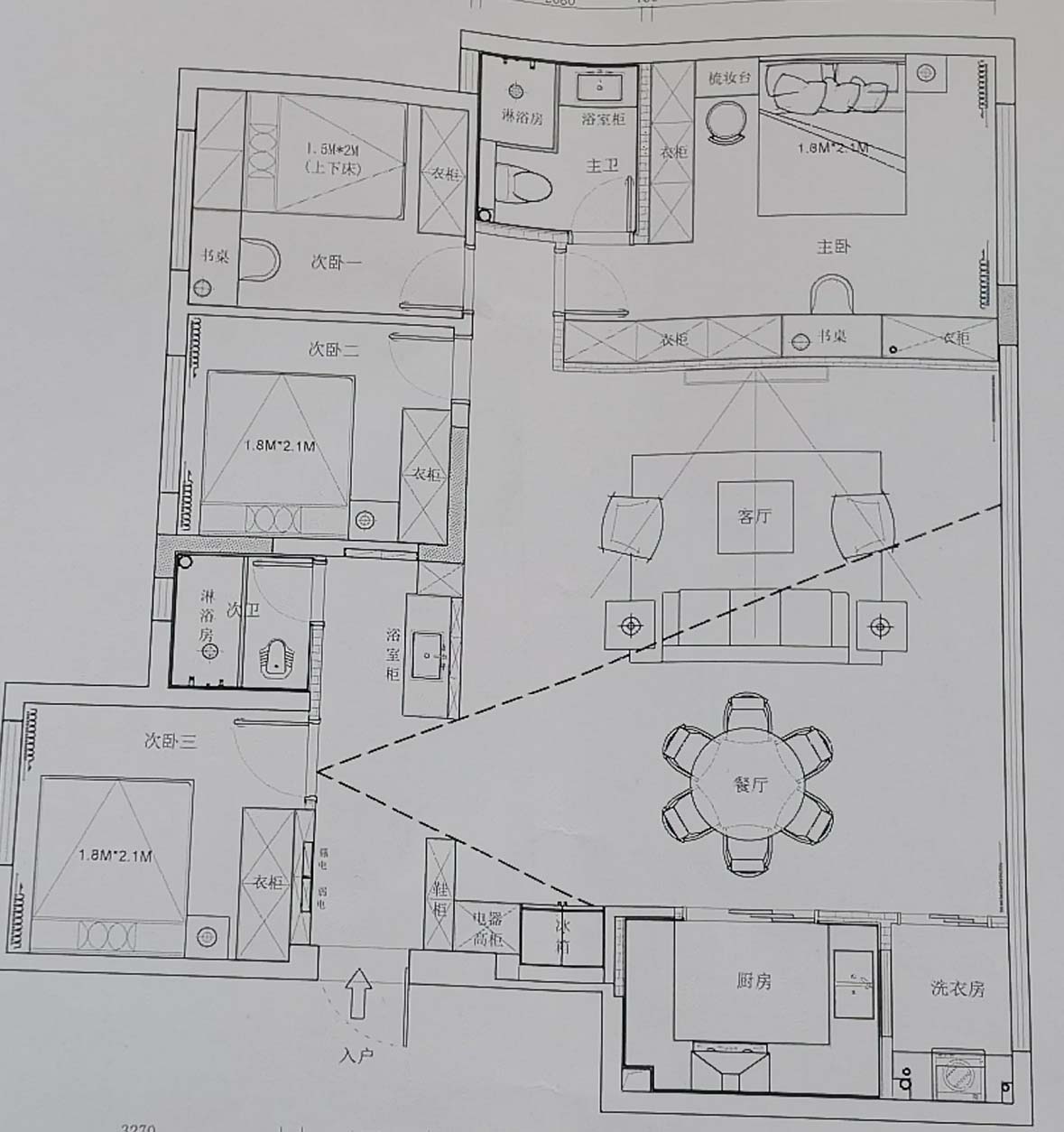
On March 3, the second version of the plan came out. The design fee was ultimately settled at 12,800 RMB, covering the design proposal, all construction drawings, renderings, full-process renovation follow-up and supervision, material selection, soft furnishing coordination, and overall quality control. My wife still had some fresh thoughts about the layout, so the designer needed to refine it one more time.
Here was the second version:
At the time there was also a promotional package tied to the March 15 shopping event, with gifts including a Siemens refrigerator, Haier washing machine, Cheers armchair, and a 65-inch Skyworth TV, with the option to pay the difference for upgraded models.
By March 4, the layout had basically reached its final version and moved into the rendering and budgeting stage.
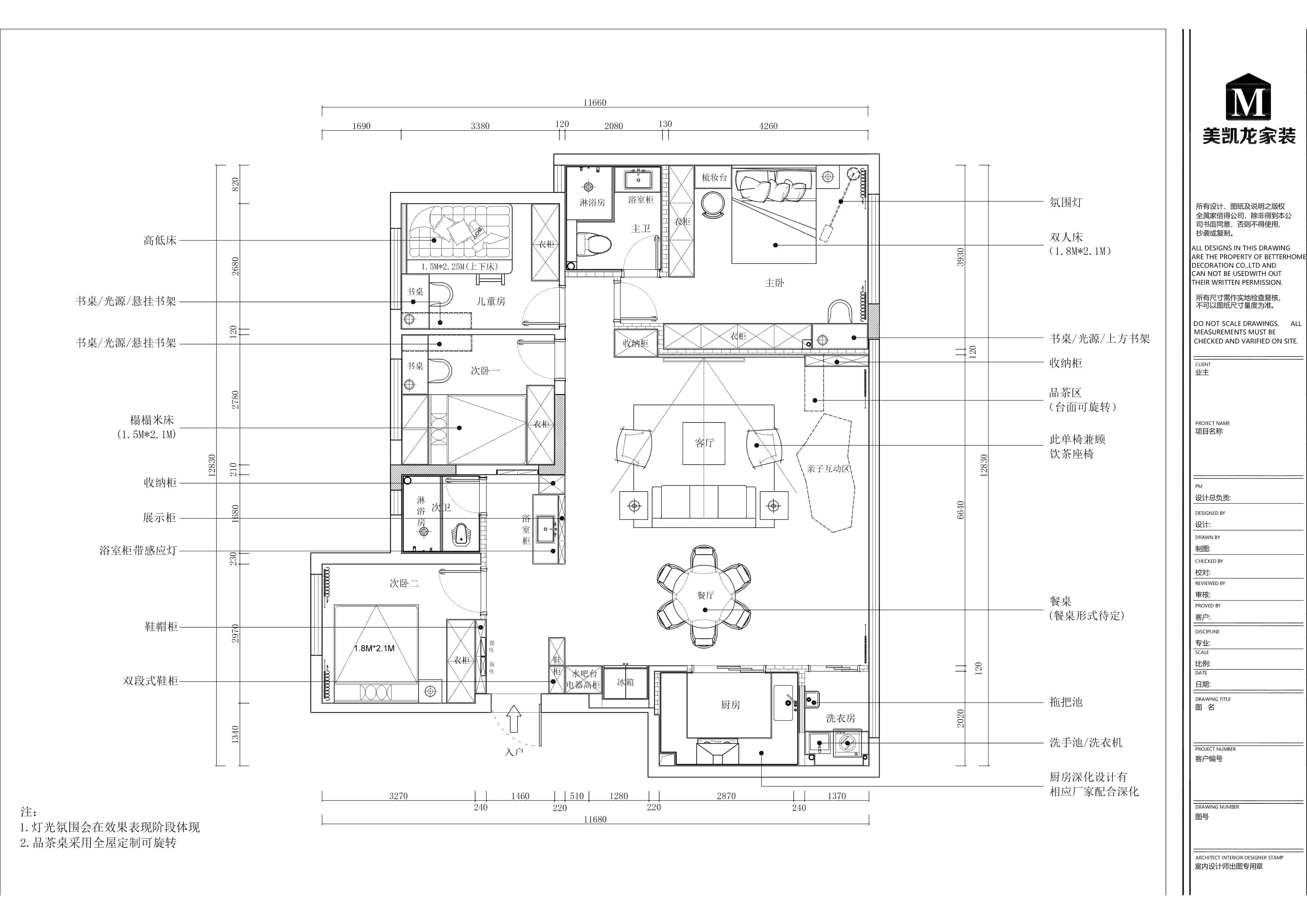
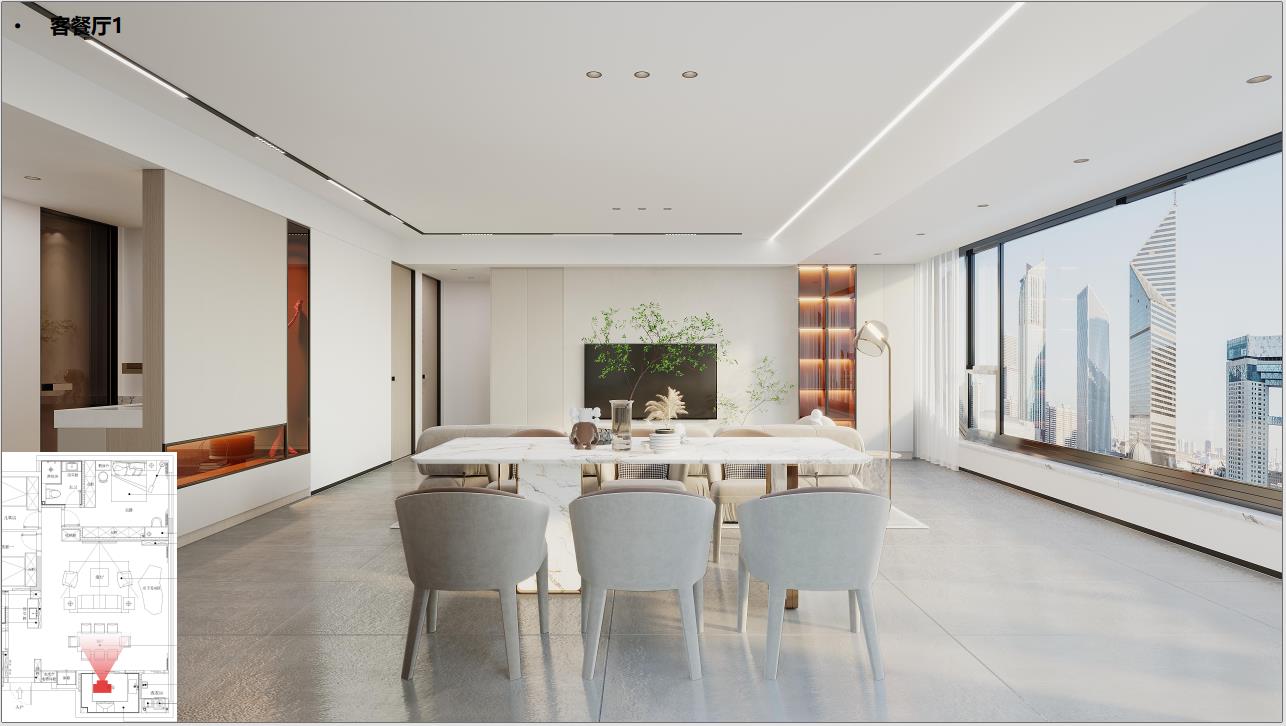
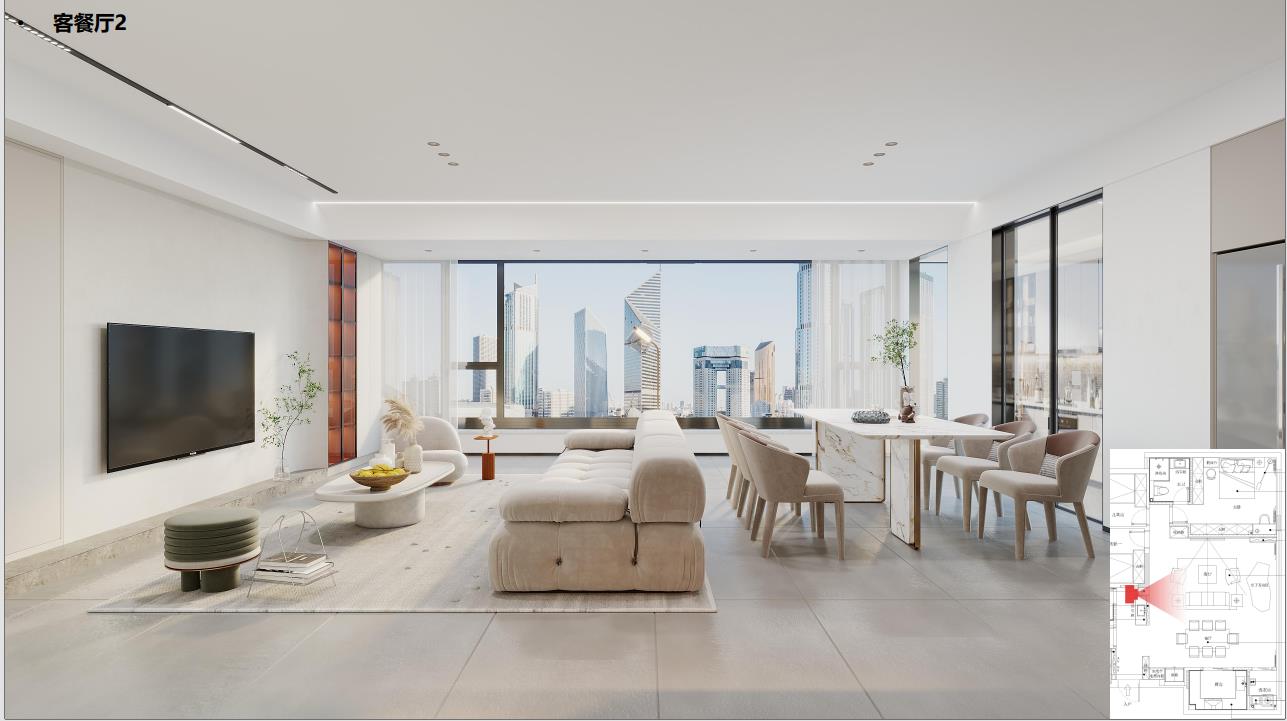
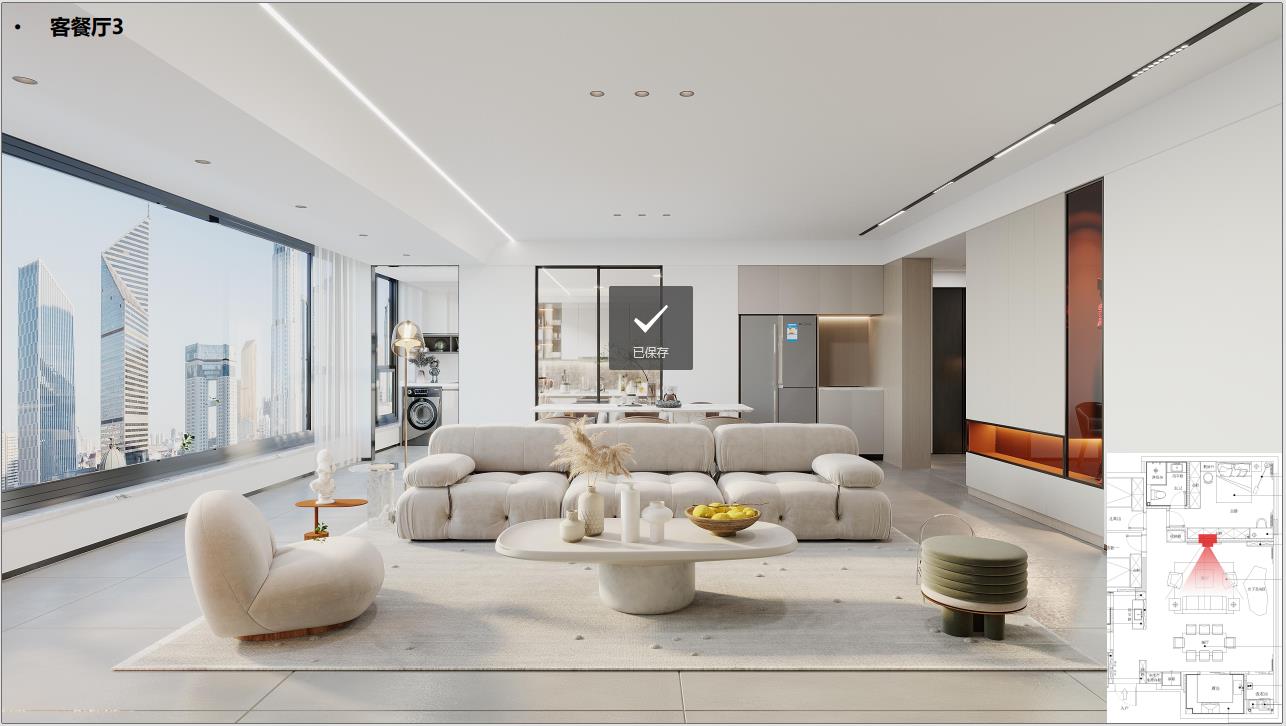
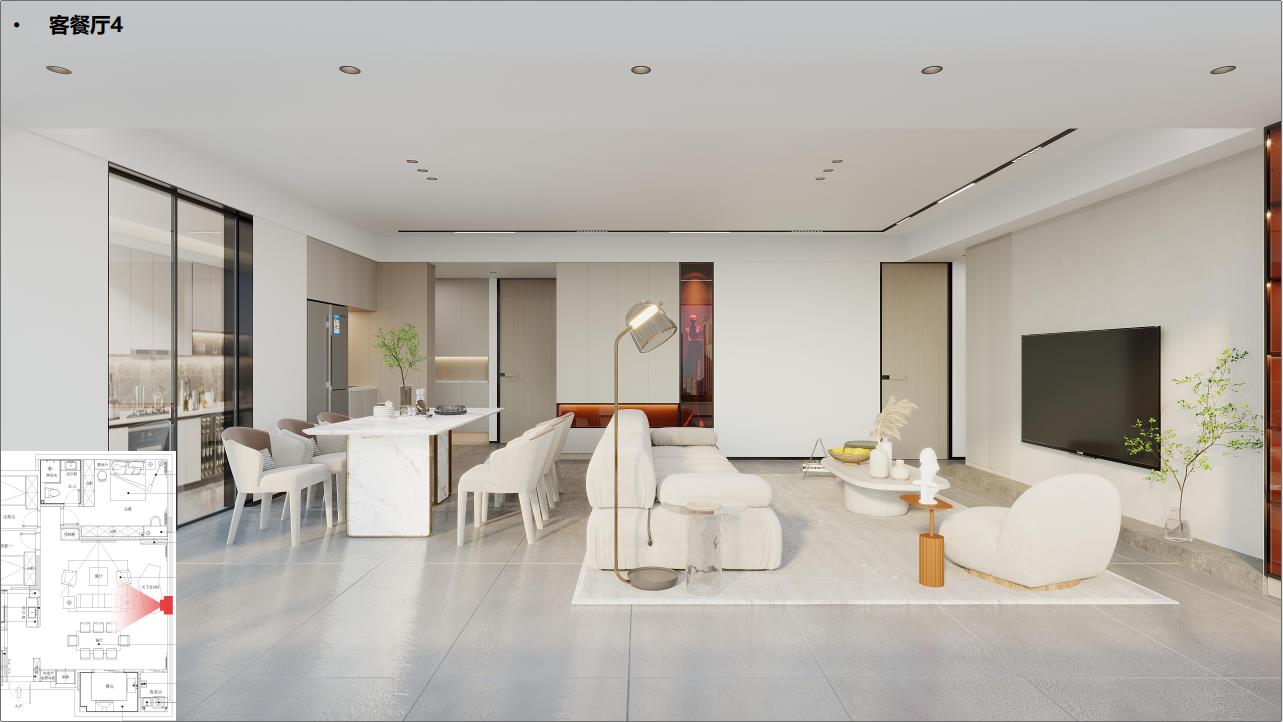
First renderings
On the night of March 12 at 21:00, I went to see the first batch of renderings.
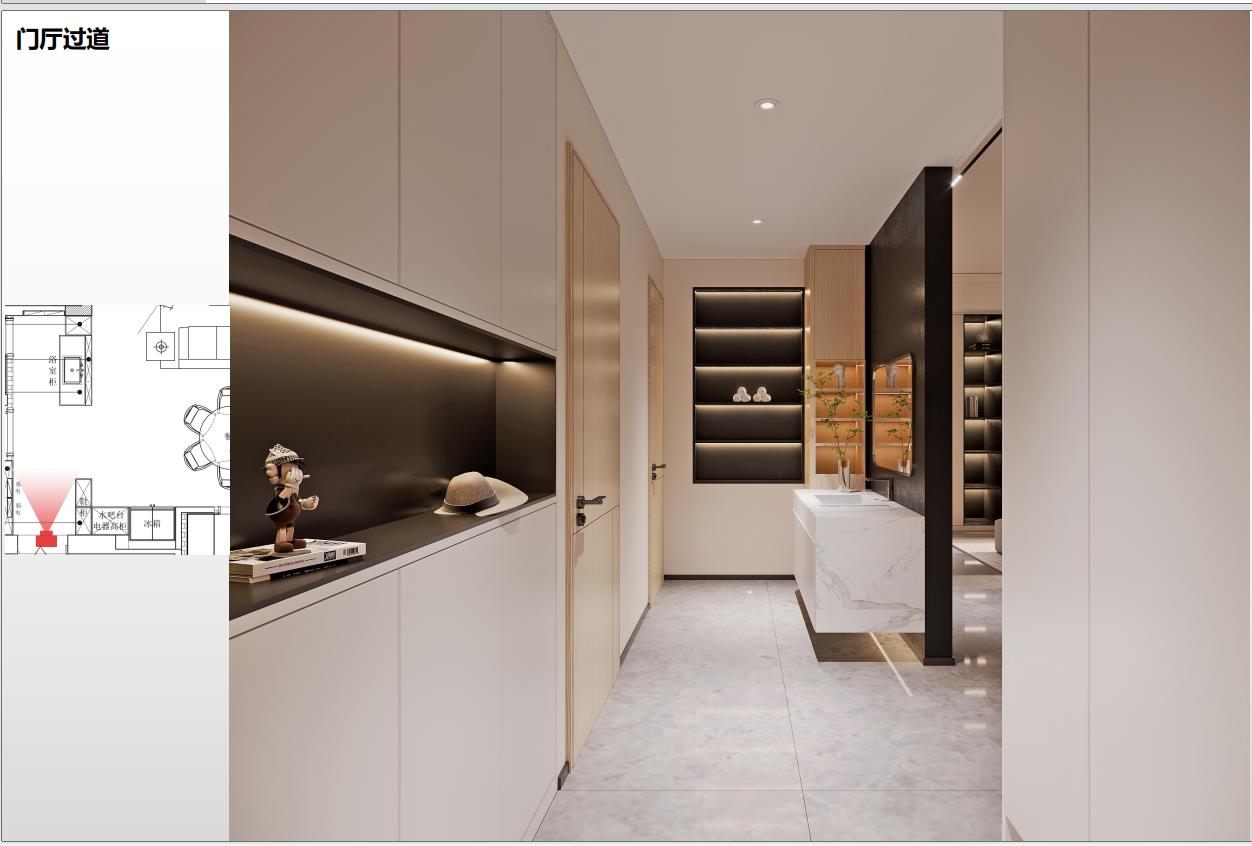
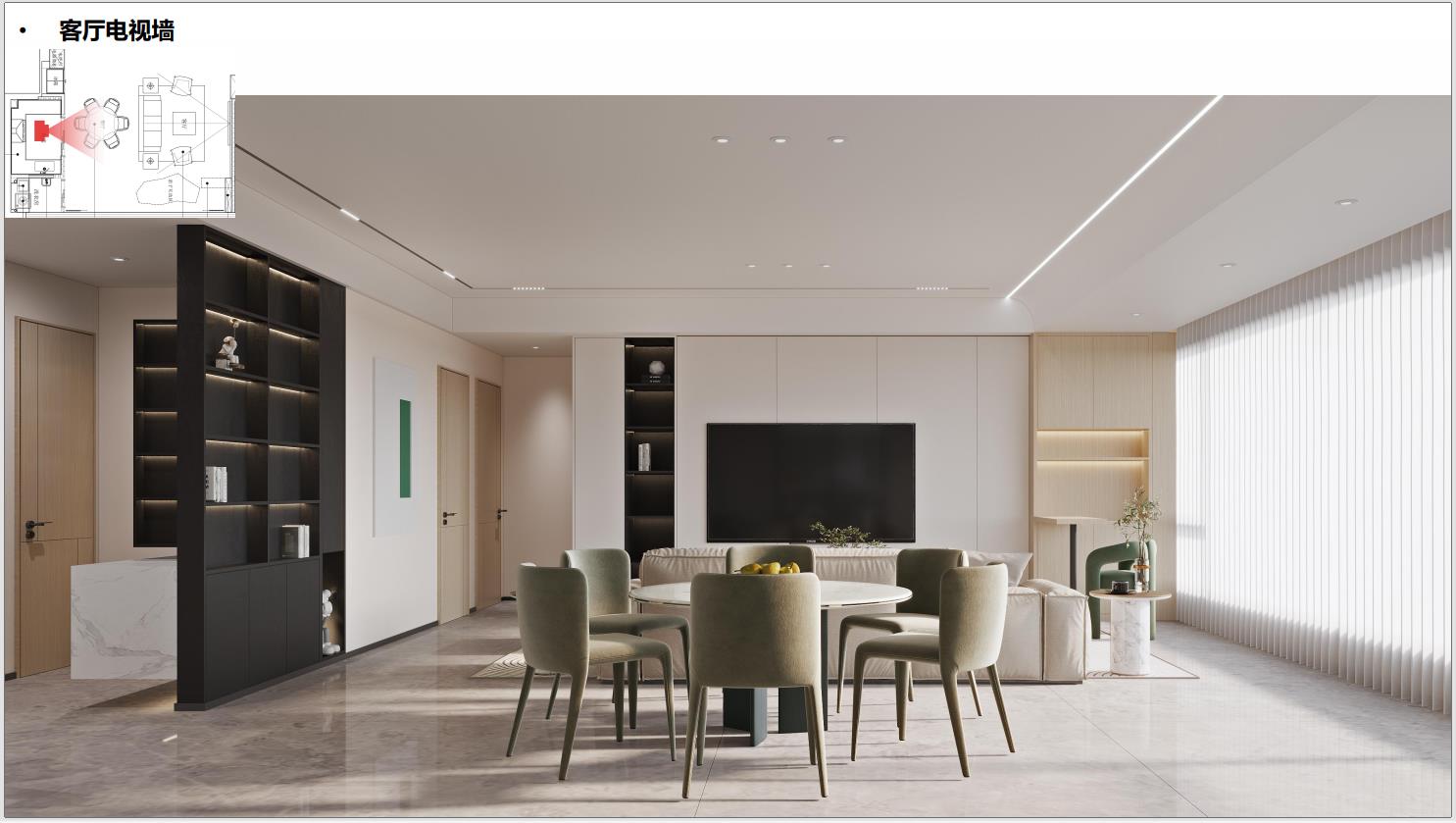
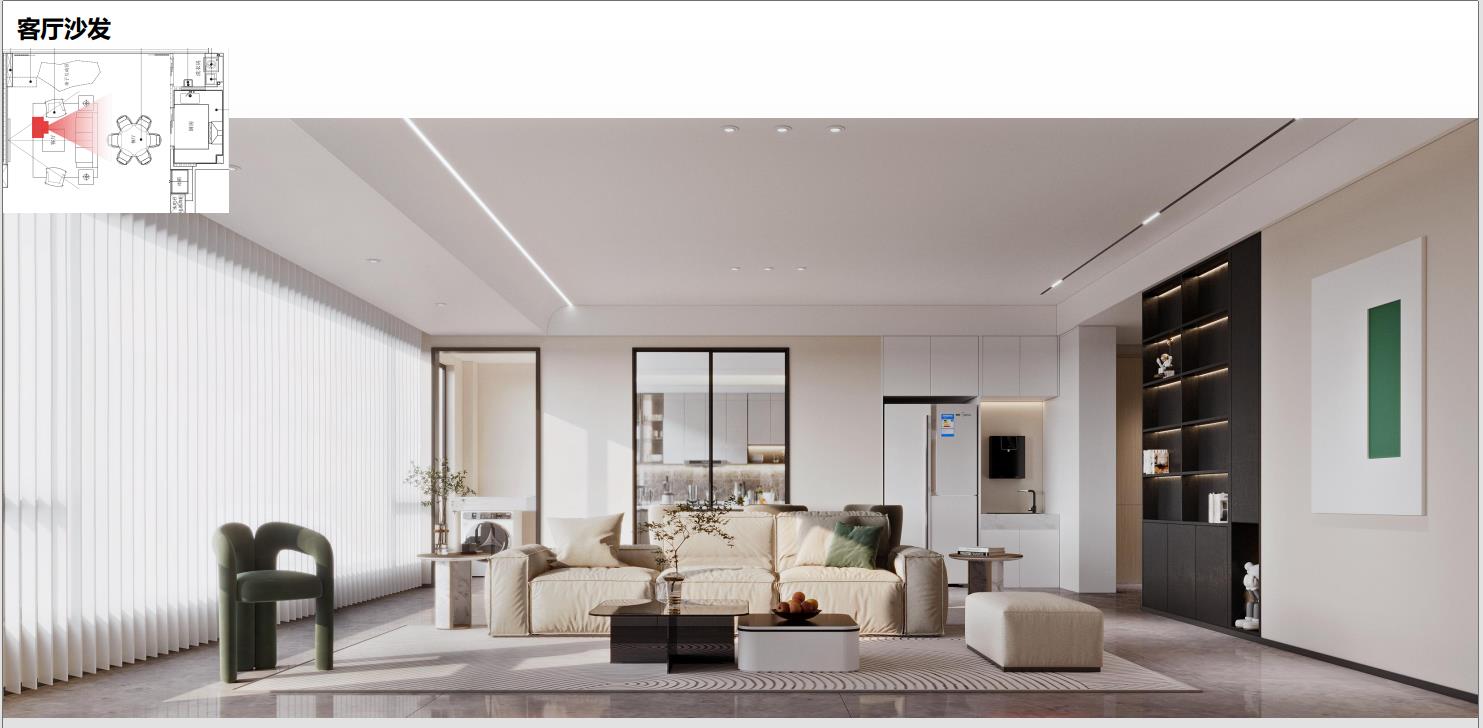
This one was my favorite of the set.
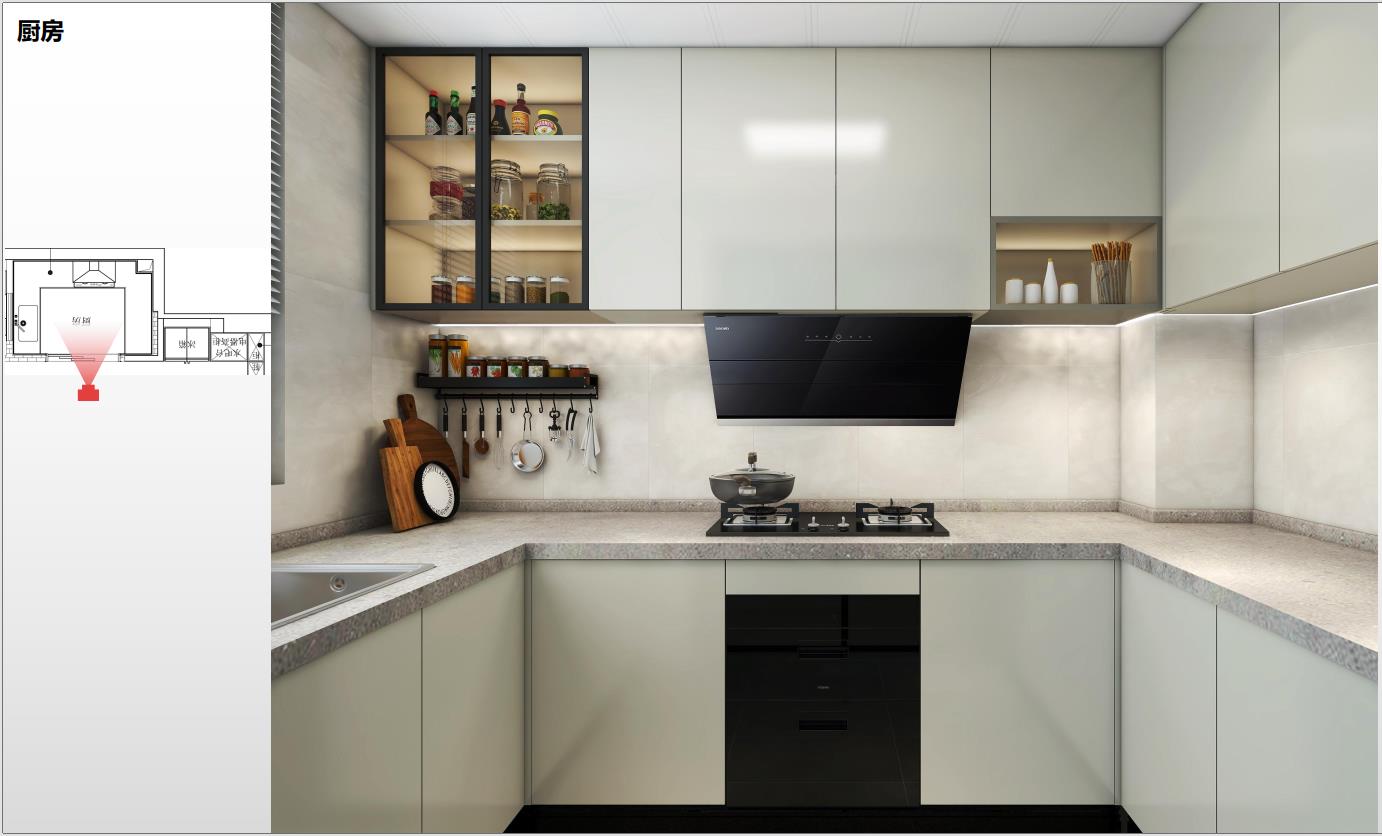
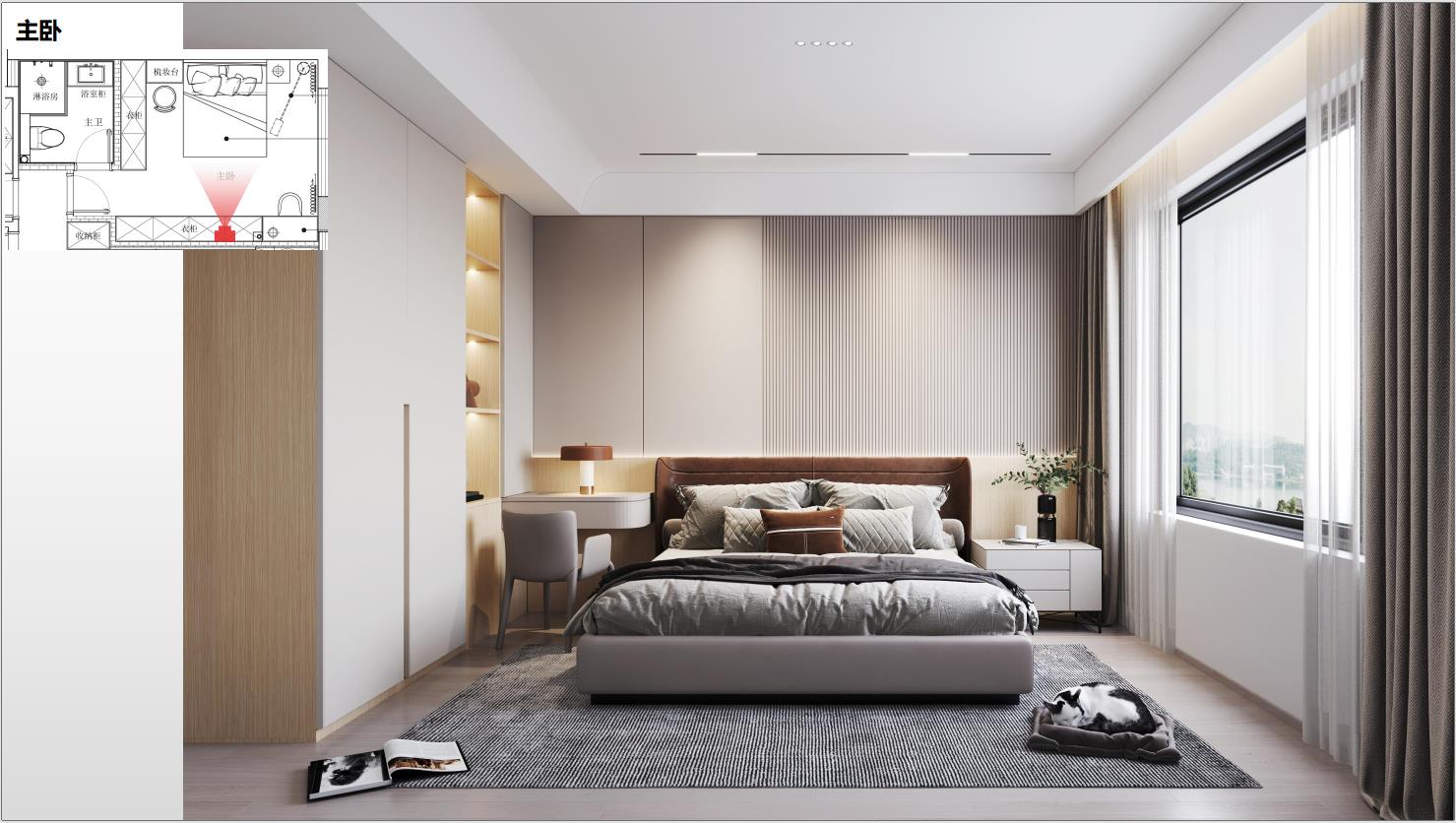
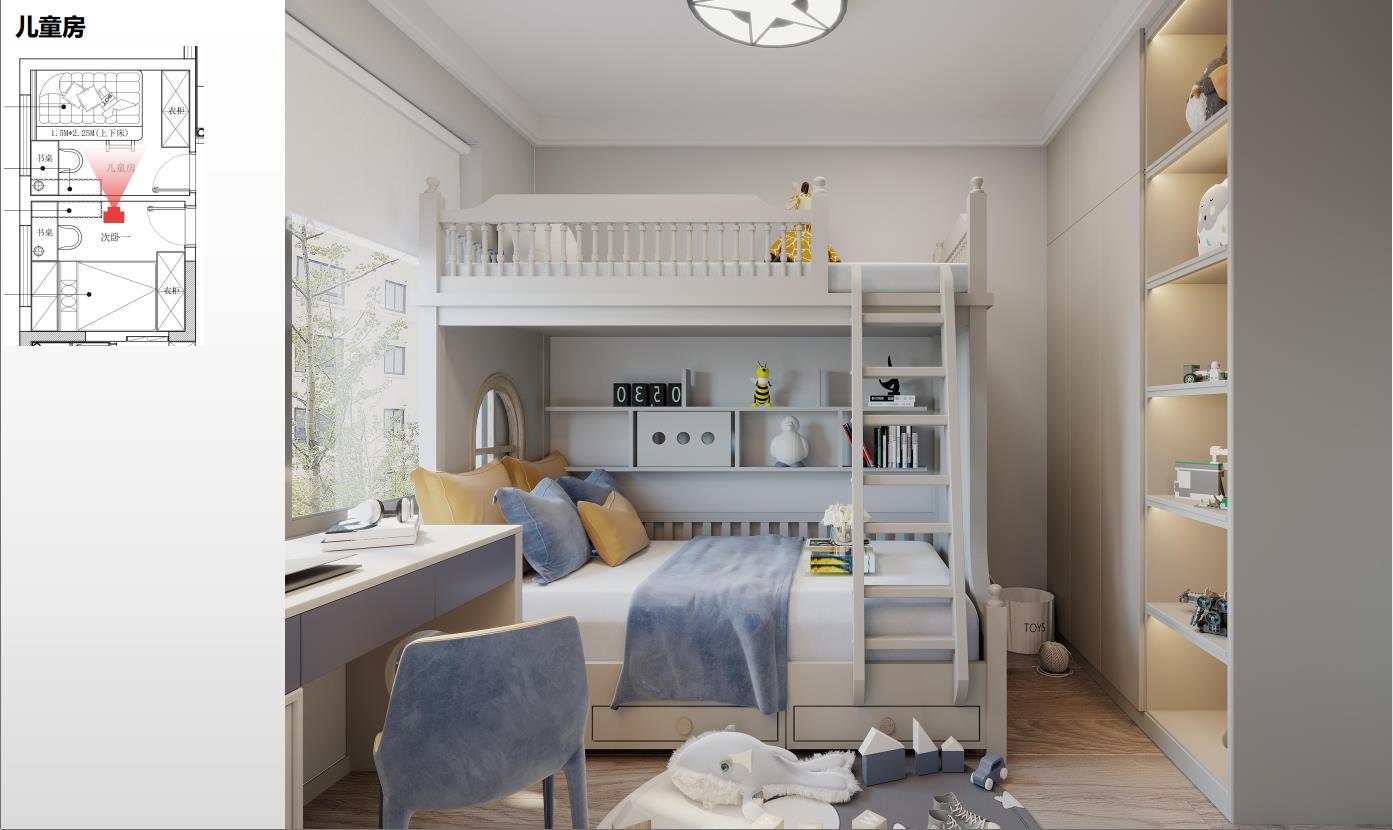
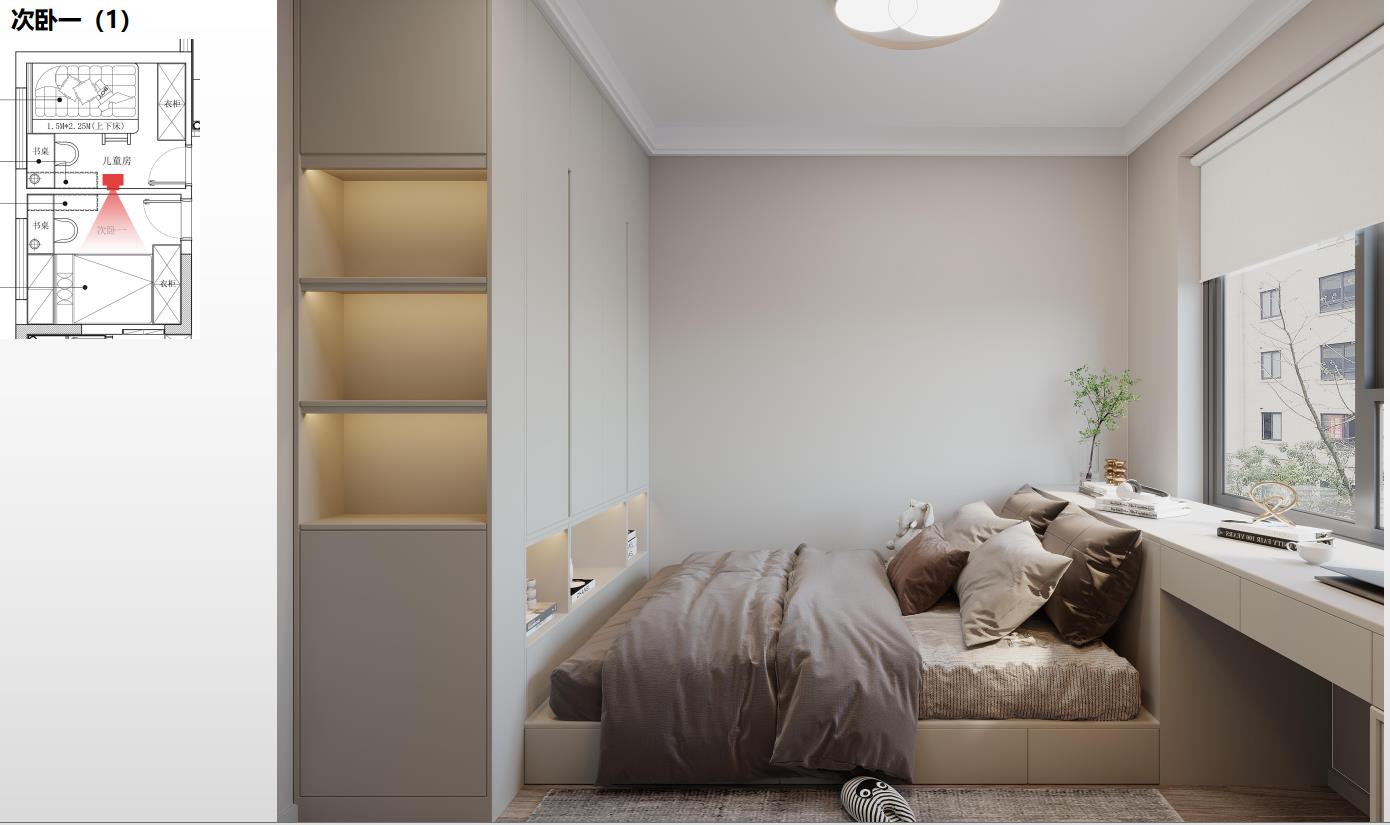
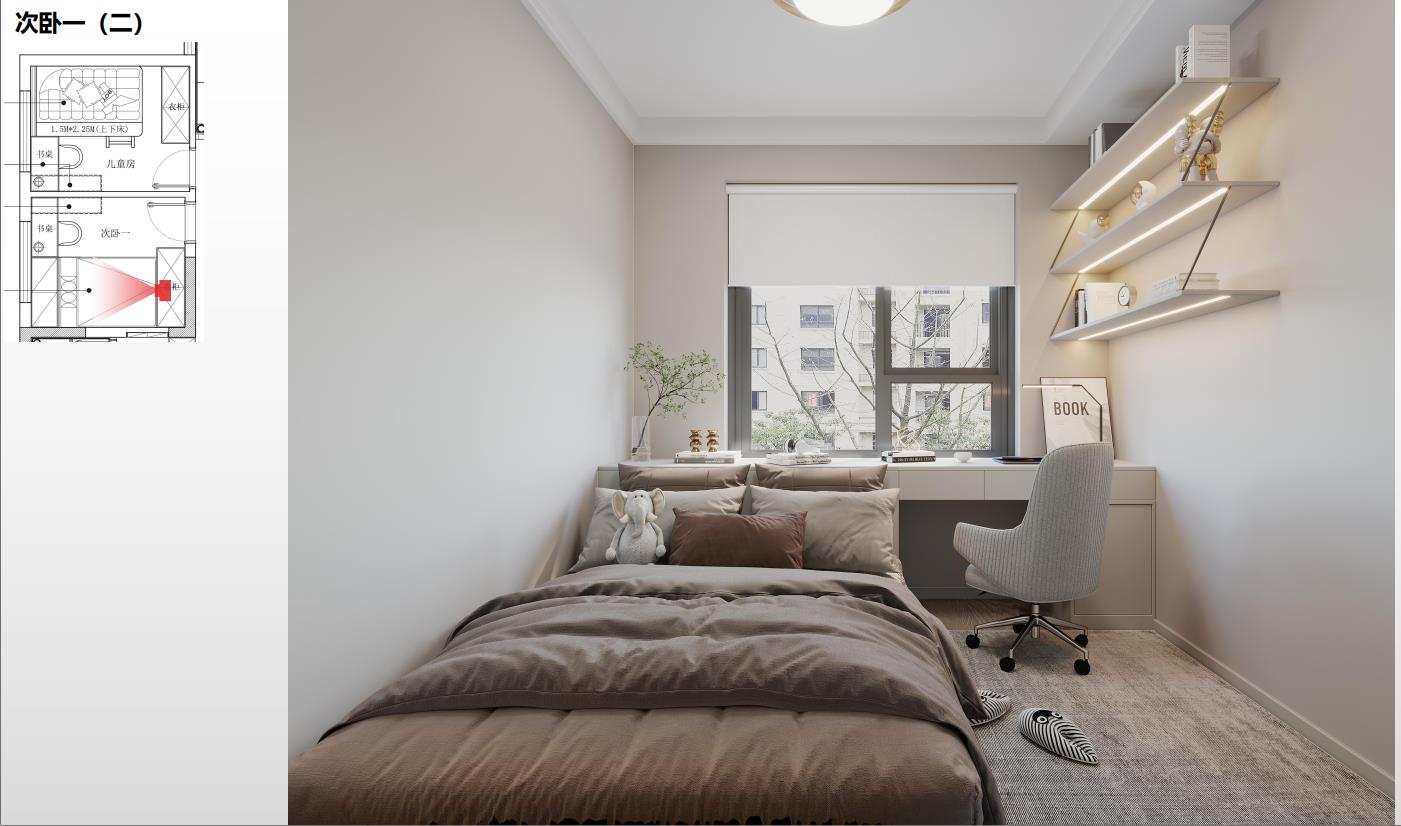
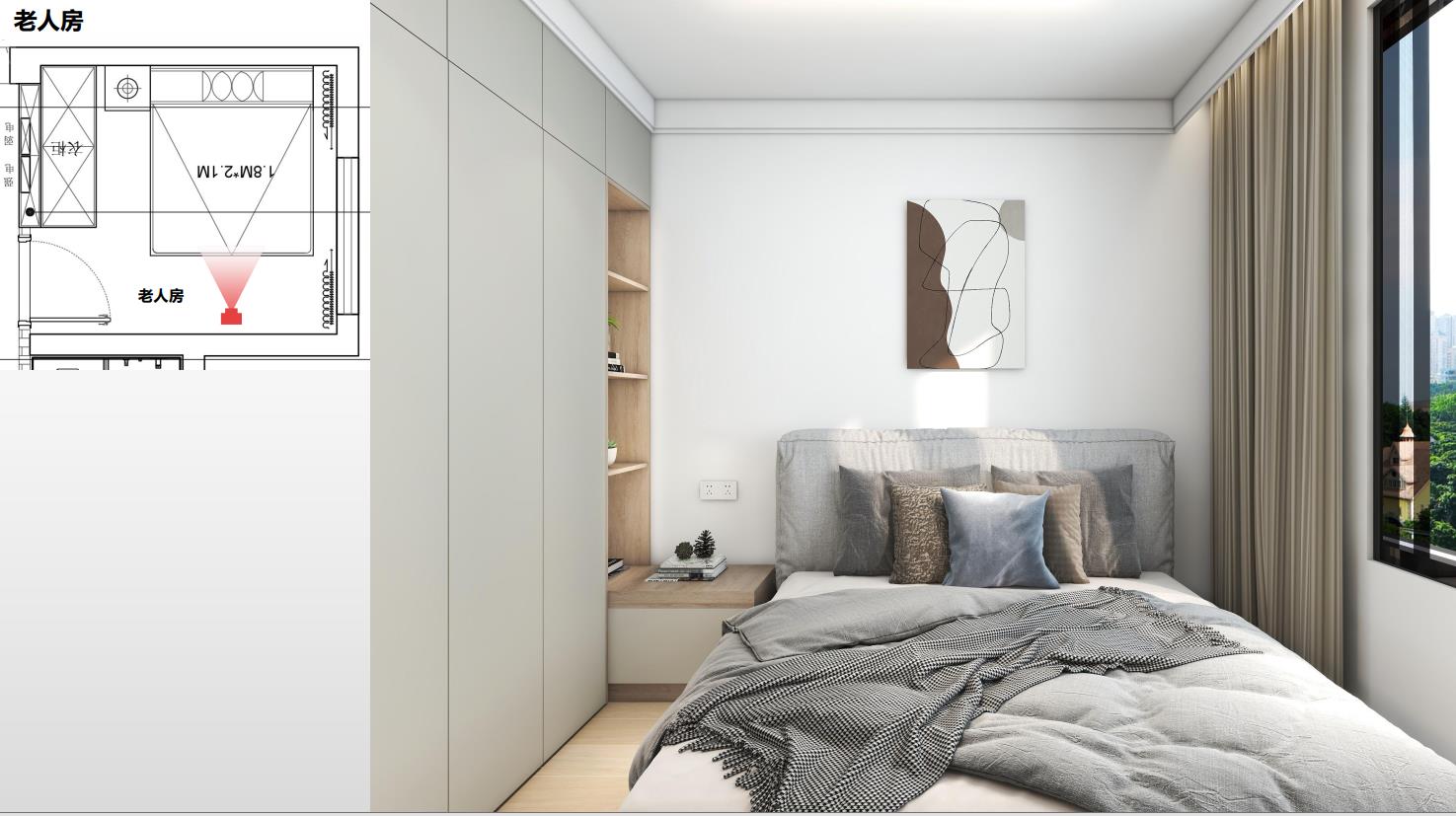
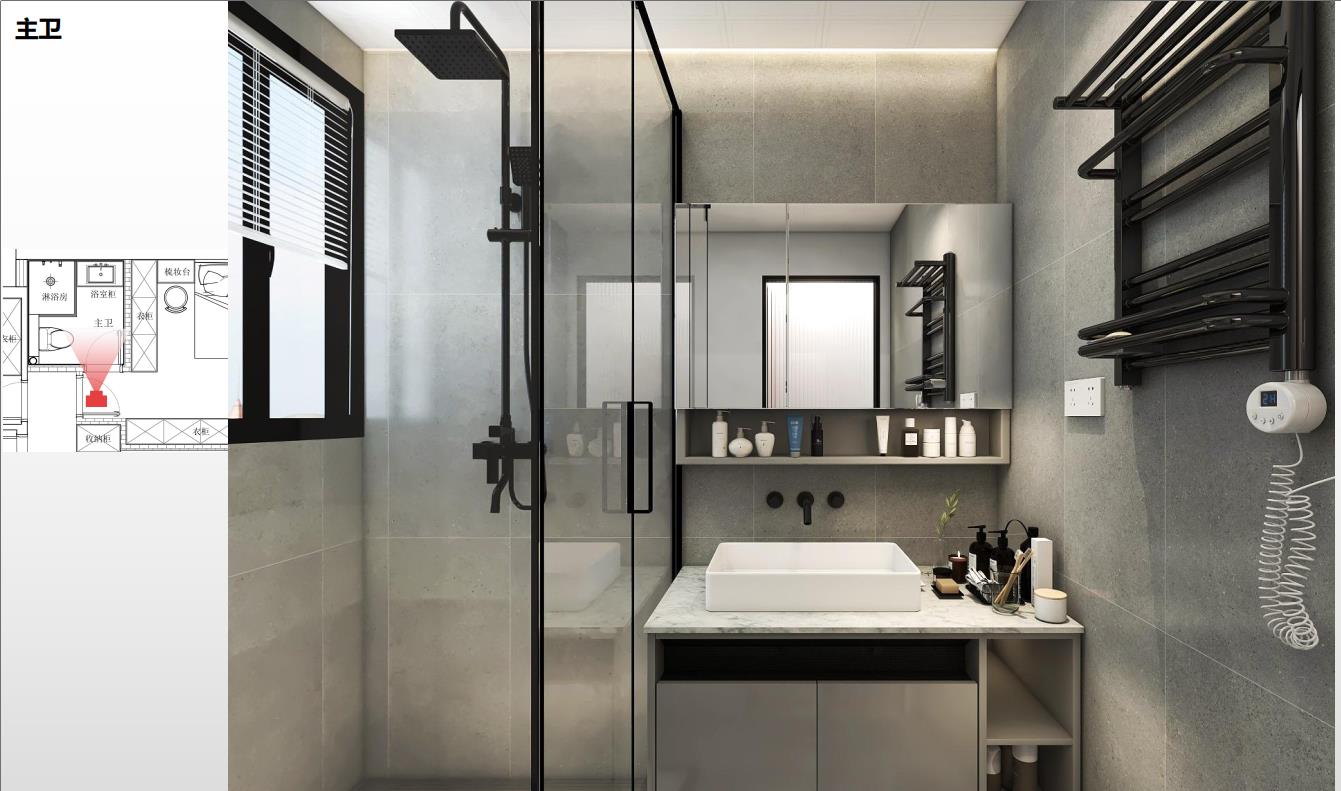
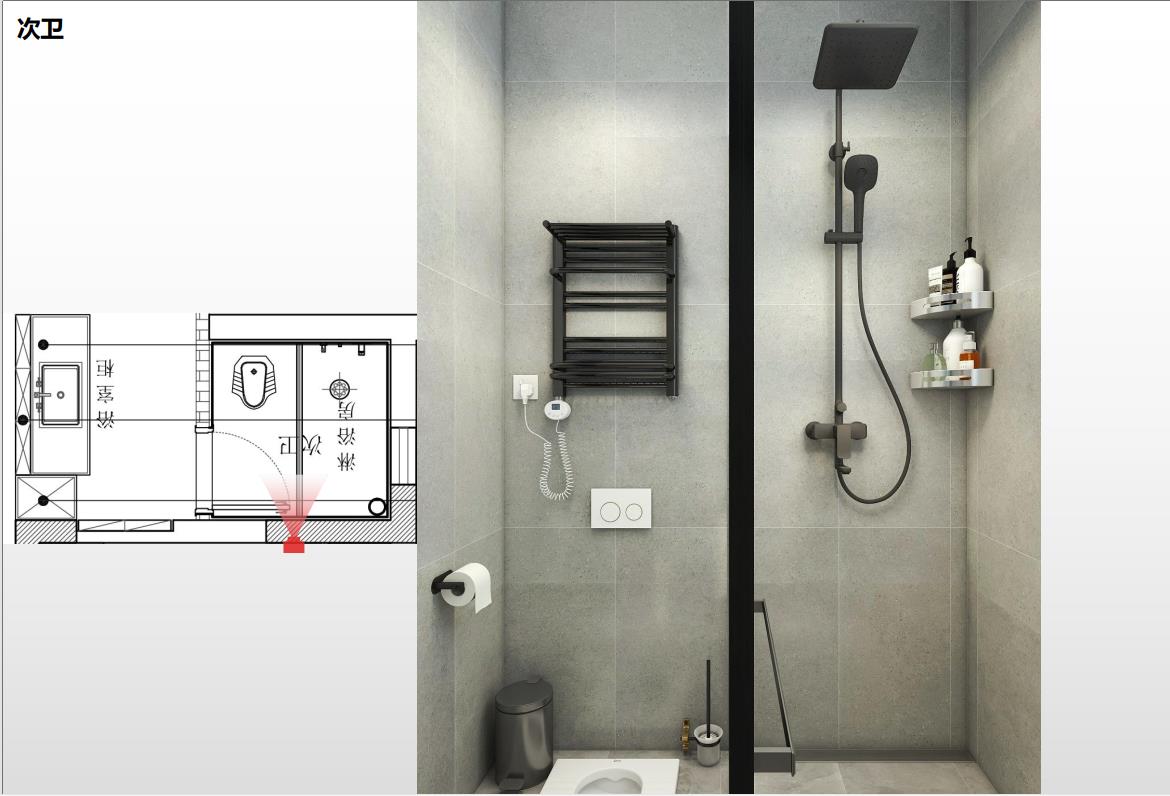
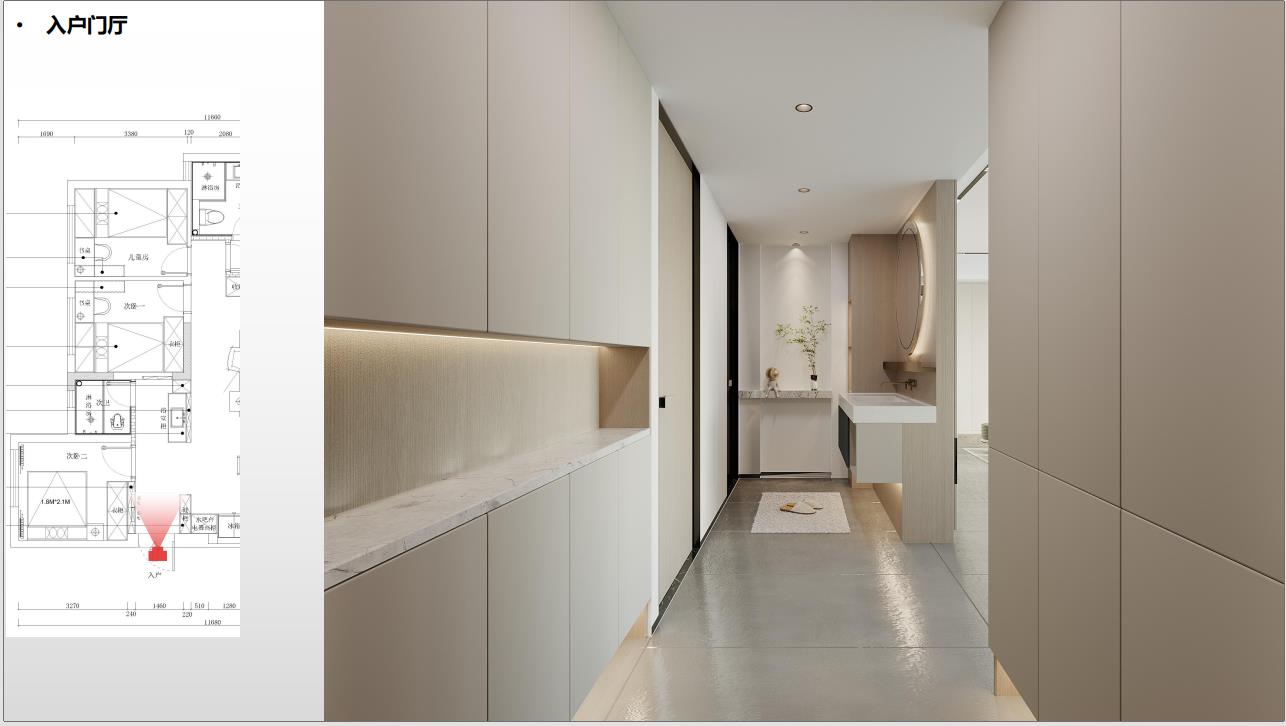
After two days of thinking, on March 14 at 23:20, my wife and I sent back a very detailed round of revision notes. The overall direction was clear: simplify the TV wall, remove unnecessary display cabinets, reduce dust-trapping details, improve warmth in the color scheme, avoid awkward practical issues in the guest bathroom, eliminate overly decorative open shelving where possible, switch to full-height doors, replace the bunk bed with tatami, make every sink undermount, account for the boiler and kitchen workflow properly, and think through the hot water system more carefully.
A revised version came back on March 20:
My own renovation thinking
Alongside the designer’s work, I also kept a running list of my own ideas based on everyday observation. This was mainly for communication, to make sure the design direction stayed close to what I actually wanted.
1.选个好的设计师。
2.风格选择:轻奢或轻奢现代,尽量极简。
3.整体要求:看起来简单干净、简洁明了、不要复杂。
4.要做地暖,但是每个房间该预留的分体式空调位置都要做好预留,包括开孔和供电以及排水。
5.所有室内门要做一门到顶,所有房间的门底部都做平,不做门缝线。
6.阳台的封窗做落地全面玻璃,在保障安全的前提下,能做多宽尽量多宽。
7.灯光,全屋开关要考虑一键全开和离家全关;每个房间、过道、玄关的地脚都要考虑感应的柔和灯光,玄关顶部要考虑感应灯光;所有房间都不安装大灯(但是需要做好线路的预留),以氛围灯和洞灯照明为主,因为后期要买立式氛围灯补充。
8.地砖尽量选大点的,满铺,缝隙不好看;
9.客厅窗帘只要一层白纱即可,不要双重窗帘。
10.家具后期用整体家居定做,不自己打柜子。
11.墙面不要白墙,考虑贴墙纸或者其他工艺。
12.客厅的电视应该是100寸,要提前考虑好后期需要挂墙和支架放地上2种选择(还没考虑清楚),哑光岩板。
13.墙上不要考虑挂东西。
14.要设计个隐蔽的地方,放家用灭火器。
15.鞋柜要安装除臭机器。
16.地脚线不明装,藏灰。
17.冰箱位置尽量不留缝隙藏灰。
18.沙发离地间隙越小越好,地面留间隙容易藏灰。
19.隔断地面拉槽不要,全铺满地砖。甚至考虑隔断全部打掉。
20.地砖要选哑光砖,避免反光
21.离墙近的地方,不要洞灯,墙上的灯斑很丑,见光不见灯,防炫目
22.不要软灯带,变形影响效果,用t5灯管,笔直效果好。
23.京东灯光设计联盟
24.长虹玻璃门,超白,极简,阴影门框。
25.欧瑞博开关。
26.小米智能家居
27.
A lot of these ideas came from one basic concern: I wanted the home to look clean and restrained, but I also wanted it to stay easy to live in. Dust, reflections, visual clutter, awkward circulation, and maintenance problems all mattered as much as style.
Formal handover
On March 2, the apartment was officially handed over. I asked the property team to register the license plate, turn on the water and electricity, and process the construction permit. After that, the renovation company began preparing for the official groundbreaking ritual and the initial standard site prep work.
Construction begins
By March 13, after another discussion with my brother, a new division of labor started to make sense: let the renovation company handle the hard fit-out, source the custom cabinetry from another shop, and buy the appliances separately.
Then came one of those familiar renovation moments: hesitation, struggle, endless comparison, and finally a decision made almost at the deadline. On March 20, right at the end of the March 15 promotion period, I finally committed to the 125,000 RMB base renovation package. I knew perfectly well the company would still make a healthy margin, but at that point I was prioritizing confidence in the final quality.
The original groundbreaking date was supposed to be noon on April 7, but after my mother asked a relative to help pick a more favorable date, it was shifted to noon on April 8.
There was also another important errand in the middle of all this. On March 8, I went to the bank to apply for a renovation loan and then rushed to the new apartment. The company was very committed to the ceremonial side of things.
Officially, work had begun.
April: demolition, rebuilding, and utility positioning
By April 18, the wall demolition and new wall construction were complete.
On April 21, it was time to mark out switch positions, water lines, and electrical routes. I also finally installed a camera on site, which turned out to be extremely useful—being able to check progress remotely at any time made the whole process much easier to follow.
On April 29, I inspected the plumbing and electrical work. There were basically no major problems, but one issue did come up: the team had gone ahead and built three full-house circulating water loops—two hot-water loops and one cold-water loop. My original idea had been different: use a water heater for the bathrooms and a boiler for the kitchen.
Since the work had already been done, I decided to spend an extra 1,300 RMB to add a circulation pump for the floor heating system and, for the time being, skip buying a separate water heater. I also asked them to install a check valve, so that if I decide to add a water heater later, the system can still work properly without major rework.
Because we had planned a concealed floor outlet under the dining table and four more near the sofa, I ordered six fully hidden floor outlets from Taobao that same day. On paper at least, they looked like they would be very practical.
May: waterproofing, ceiling work, tile plans, and early purchases
On May 5, after work, I went to make the second renovation payment. Waterproofing had already been completed. At first the expectation was that the floor heating would enter next, but in the end the suspended ceiling work was done first and the heating came later.
On May 6, the tile plan from Mona Lisa arrived, but I was not very satisfied with the first draft and asked for revisions.
On May 11, I ordered the sofa—a Bomashi model that was the store’s signature display piece. I joked that I fell for it at first sight, but honestly the decision was also shaped by budget.
By May 17, the ceiling work was complete. The floor heating system came in, was finished in a single day, passed inspection, and the floor was then poured. After that dried, tile laying could finally begin.
On May 18, I bought Siemens switches and sockets on Taobao. The designer’s original ultra-thin recommendation would have cost 13,000 RMB, which I gave up on after a while in favor of something with much better value.
On May 23, I bought threshold stone and floor drains for 1,300 RMB.
On May 27, the tiles had already been on site for two days before the tiler finally started laying them. That morning, while heading to work, I checked the site through the camera and discovered that the renovation company was using our apartment as a showcase project, filming videos and livestreaming from it. My wife’s reaction was simple and fair: if they dared to show it publicly, that at least suggested they were paying attention to the workmanship.
June and July: surfaces, doors, windows, leveling, and installation
On June 15, the wall finishing finally started. A few days earlier I had bought the threshold stones and bathroom stone pieces, and those arrived that morning. Once they were installed, the glass measurements could be confirmed for production.
On June 21, the bedroom screed was completed, the dimensions for the enclosed windows were measured, and the bedroom door measurements were also finalized. Orders were placed officially. The expectation was that the interior doors would arrive and be installed around mid-July, while the balcony/window enclosure would likely be installed around the end of the month or the beginning of the next one. Cabinet measurements were also about to be completed, with an installation lead time of roughly half a month after that. Once the whole apartment had been leveled, the place finally started to look more like an actual home and less like a construction shell.
By June 30, the walls had dried and the first round of wall skimming was expected to begin. I also adjusted the angle of the site camera. The tile grouting had been completed, and floor protection was put back down. The site looked tidy, clean, and surprisingly comfortable to look at.
On July 2, I went to pay the remaining balance for the grout, settled the final payment for the wooden flooring, and bought a gas pipe. I had planned to look at bathroom vanities and ceilings too, but dinner with colleagues got in the way.
On July 4, the enclosed windows and the bathroom, kitchen, and laundry room doors were installed. The result was quite decent.
On July 16, the room doors were finally installed—but both my wife and I were not very happy with them. They had failed to achieve the full-height look we originally wanted.
On July 17, during the final day of the home expo in Guiyang, I took the opportunity to place the order for the bathroom and kitchen ceilings.
By July 24, installation was basically complete and it was finally possible to walk through the whole apartment and get an overall sense of the result.
There was still more to update later.
Furniture, appliances, and custom cabinetry
Floor heating and early wins on price comparison
On March 5, together with a neighboring young couple in the same building, I placed an order for a Viessmann floor heating system at a final price of 19,000 RMB. It felt like a real win. It was essentially the same setup, yet more than 5,000 RMB cheaper than what I had been quoted elsewhere.
Then came curtains. On April 17, my wife and I went to the Southwest Trade City market and ordered them there. For the same product, one showroom had quoted 16,000 RMB. At the market, it came to under 5,000 RMB.
That comparison alone says a lot about how uneven renovation pricing can be.
On April 25, the renovation loan from the bank was approved.
Cabinet design: endless details, then disappointment
On May 5, the first full cabinet proposal arrived—21 PDF files in total. After class, I went through them one by one and sent back the first batch of comments.
**阳台柜:**
1.要预留好循环泵和地暖锅炉的尺寸和位置(厚:350 宽:400 高:750,管子出水口到烟囱孔全是锅炉的位置)
2.不用反弹器,用隐藏式拉手,不容易坏
3.洗衣机右上方,需要考虑洗衣盆,收悉衣服用
4.柜门太小,不用考虑拉直器
5.洗衣机的框宽预留会不会太宽了,736-595
6.赵老师核实下预留的锅炉插座尺寸,是否隐藏在上方柜体里面的
7.中间的地板是墙面还是板材?
8.洗衣机后边的柜体地板,藏进面板里面去


**冰箱柜体:**
1.冰箱深度怎么只有650?进门衣柜的长度是多少?冰箱厚度636,实际厚度695,要确保冰箱门跟墙面齐平(或者现在的方案,哪个更美观点?赵老师确认)
2.饮水机上方增加一列玻璃柜子,空间利用起来,用来放白酒杯和分酒器、喝水杯子等,或者是红酒杯架。

**橱柜:**
1.A面:柜体地脚藏到门板后面去。左侧的上方还能不能利用起来?尺寸够不够?要预留好净水器的尺寸和位置,之前有预留插座的。
2.    B面:柜体地脚藏到门板后面去。不用拉直器吧?厨房所有柜体都不要用反弹器,直接用隐藏式的把手,上方的吊柜可以门板稍微做长点来当把手都行。是否有预留好集成灶的排烟通道位置?
3.    橱柜台面都是岩板哈?颜色都确定了的吧?
4.    C面:柜体地脚藏到门板后面去。

**次卧1:**
1.    门板全部都不用反弹器,用隐藏式的把手
2.    书桌下方的柜体不用反弹器,用隐藏式的把手
3.    里面的结构需要优化,抽屉少了。如果费用能节约的话,就把抽屉放到下面,左侧两扇,不做一门到顶。
4.    书桌和衣柜的空隙,考虑增加灯带(不是感应式的,是开关式的)
5.    书桌要预留电脑和网线等穿孔

**次卧2:**
1.    床头柜同柜体的空隙,考虑增加灯带(不是感应式的,是开关式的)
2.    里面的结构需要优化,抽屉少了。如果费用能节约的话,就把抽屉放到下面,左侧两扇,不做一门到顶。
3.    都不用反弹器
4.    书桌要预留电脑和网线等穿孔

**电视柜:**
1.    两边的柜体格子感觉太呆板,全是一样的格子,放东西到底好不好用?
2.    现场靠近阳台侧的地脚预留有一个插座,需要确定尺寸会不会被柜体遮挡,后期可能要放氛围灯
3.    柜体跟电视柜的尺寸核准了没?要确保在一条线上
4.    如果和柜体统一做电视柜,考虑下费用,对比下价格,赵老师看看风格能不能搭配得上

**榻榻米A面:**
1.    左下方柜子不用反弹器,用隐藏式把手
2.    地脚板材隐藏到门板里面去
3.    抽屉不用反弹器,用隐藏式把手
4.    床尾(靠近窗户)还有没有储物功能

**榻榻米B面:**
1.    抽屉不用反弹器,用隐藏式把手
2.    尽量吧地脚的板材隐藏或者是缩小。
3.    一定要保证B面的美观和效果,要考虑好木地板的颜色搭配。(赵老师)

**榻榻米C面:**
1.    不用反弹器,用隐藏式把手
2.    床头和柜体之间的衔接怎么处理?是不是没有了床头靠背的功能?怎么办?
3.    “封板面板同色”处,不是床头面板的位置吗?怎么还能打开挂衣服的?


**榻榻米C面侧边柜:**
1.3个开放格子太多了,没必要,1个即可。
2.地脚藏进面板里面去

**榻榻米俯视结构图:**
1.    床头和衣柜中间有缝隙吗?衔接怎么处理的?
2.    床尾的高度、书桌的高度,跟窗台的高度关系是怎么样的?能不能尽量做到一样整齐?
3.    以后的窗帘安装怎么办?尺寸以哪个为准?窗帘跨到书桌上吗?
4.    有没有必要在下方墙面上增加玻璃书架?放书的地方是不是少了?

**榻榻米俯视图:**
1.    窗体里侧的柜体是提拉式的储物箱?
2.    床尾(靠近窗户)还有没有储物功能?
3.    有没有必要在下方墙面上增加玻璃书架?放书的地方是不是少了?

**鞋柜1:**
1.    下方要考虑鞋柜除臭机子位置
2.    鞋架是平的还是斜的好用点?
3.    柜体上方可以考虑不用反弹器,把柜门适当做长点点当开门
4.    中间的留空位置,要和现场的罗工对接,之前的对讲机位置是有点小问题,尺寸要能对得上
5.    增加靴子等长筒鞋放置区域

**鞋柜2:**
1.    要增加进门后坐着换鞋子的区域
2.    这个地方放鞋子,尺寸够不够?
3.    要增加挂伞、挂衣服、帽子、围巾等物品的格子范围。

**主卧衣柜1:**
1.    增加衣柜内抽屉数量
2.    主要考虑媳妇儿的衣物,要有呢子大衣的区域

**主卧衣柜2:**
1.    要有衬衣、西装、呢子大衣的专门区域
2.    书桌抽屉不用反弹器,用隐藏式把手
3.    灯带设置开关式,不要用感应式的
4.    书桌左侧是有课堂阳台玻璃阳光照射进来的,能不能进来利用自然光?
5.    书桌要预留电脑和网线等穿孔
6.    要预留检修口,预防管子以后维修。

**洗漱台:**
1.    左侧开放格不能太多,最多1格,甚至全部都不要,主要用来放洗漱用品,开放不美观。
2.    地脚板子藏进门板里面去
3.    镜子不要圆的,要长方形的镜子,并且要带灯带和除雾功能,可以不考虑要储物功能
4.    洗脸盆用台下盆,居中放置,不要靠边放
5.    洗漱台的造型和抽屉等设计不好看,需要更大气一点,可以考虑两层式设计(请赵老师把关)

**装饰柜:**
1.    右侧玻璃后面一束会不会太过于长了,摆件好不好找?
2.    固定面板,里面是没有柜子的,直接是一面板子哦。
3.    右下角不要设柜子了,取消,更不要反弹器了。很突兀
After three rounds of revisions and on-site remeasurement, the cabinet plan was finally confirmed on June 29. Payment was made after costing, production began, and installation was expected to start in mid-July.
Then there was another small delay. On July 17, at the Guiyang home expo, I finalized the integrated stove, but because I switched to a slightly different model and the dimensions changed a little, the cabinetry had to be pushed back again.
By August 15, after more than forty days of cabinet work, everything was finally in place—but the result was still far from what I had expected. There were simply too many issues.
And once that part was finally more or less done, September brought pandemic restrictions. During the National Day break, after the city reopened, I immediately had the team come back to finish the remaining work. Even then, on October 8, I found two more cracks, and they said the panels would need to be replaced later.
To put it plainly, I had a huge number of complaints about the cabinetry.
If there was one strong lesson from this entire process, it was this: for custom cabinets, choose a major brand if you can. Trying to save money with a small local factory can easily become something you regret.
The effect so far
At the latest stage, the basic overall result was already visible, even though the soft furnishings had not yet fully moved in.
The overall fidelity to the design was actually pretty good. When there is time, I still plan to sort out a proper comparison between the original renderings and the real finished spaces.
For now, this record remains a work in progress.