What kind of film is the hardest to make?
Across the film world, one answer comes up again and again: movies adapted from real events.
They are difficult not because the material lacks drama, but because reality sets the standard. A film based on a true story has to deal with factual reconstruction, pacing, media coverage, the viewpoints of those who lived through it, and the audience’s inevitable comparisons between what really happened and what appears on screen.
That is exactly the challenge facing Ordinary Hero, one of the most difficult real-life stories to bring to the screen.
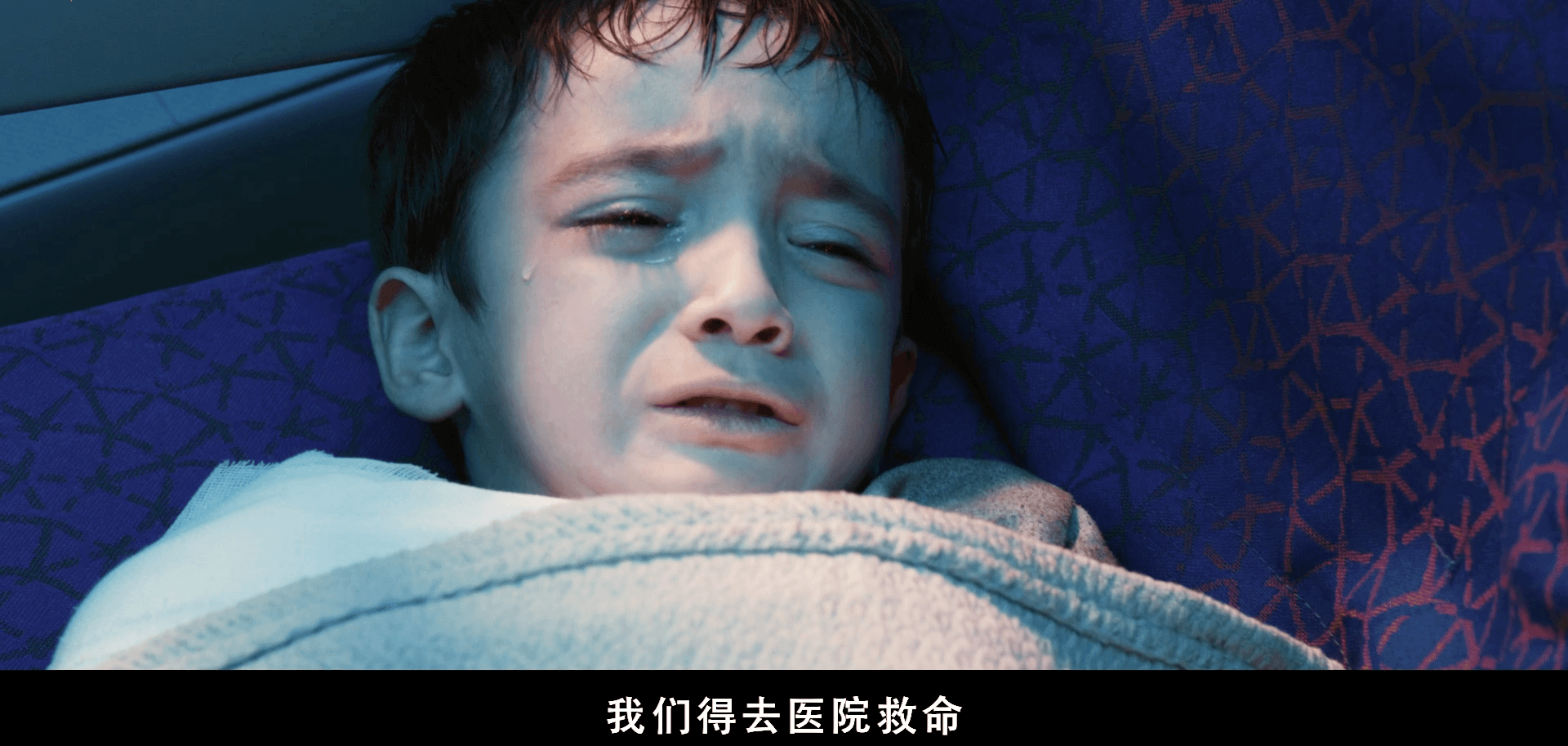
The event behind the film is staggering even when described in the plainest terms.
On the night of April 30, 2021, a seven-year-old boy in Hotan, Xinjiang, accidentally had his arm severed by a tractor.
If there was any hope of saving not only the arm but the child’s future, he needed surgery in Urumqi. But the critical window for reattachment was only eight hours. The distance between the two places was more than 1,400 kilometers.
So what followed became a relay race against time.
From any angle, it is the kind of story that is instantly moving. Yet that does not make it easy to film. If anything, it makes the task even harder.
The difficulty comes from three obvious risks.
The first is how recent the incident was. It had happened only a year earlier, and the outcome was already widely known. Once the suspense of “what happened next” is gone, a film has to find other ways to hold the audience and still create emotional force.
The second is the subject itself. The real event is heartbreaking, but also full of warmth and compassion. Even so, many viewers tend to approach this kind of story with preconceptions. A film like this has to overcome that resistance and make people see it without those ready-made judgments.
The third is the hardest of all: even if the film handles the facts well and avoids easy sentimentality, it still needs lasting emotional power. It has to leave something behind after the story ends. That kind of aftereffect is much more difficult than simply making people cry in the moment.
Ordinary Hero manages to meet those challenges with surprising precision. It works around the limitations of a story whose ending is already known, sidesteps the most obvious emotional traps, and still builds a strong lingering impact.
Part of that power comes through in a few key lines:
“Save the arm, or save his life?”
“This is an adventure between two men.”
“The uniform is off, but the character remains.”
“No matter how late the flight arrives, we will wait.”
“Two minutes for the doctor, a lifetime for him.”
Each line points to a different kind of pressure: medical urgency, personal responsibility, discipline, commitment, and the immense weight of every second. Together they explain why this story resonates beyond the emergency itself.
At the center of it all is not a larger-than-life hero, but a chain of ordinary people. That is what gives the film its real force. The event is extraordinary, but the people who make the rescue possible are not presented as mythical figures. They are regular individuals whose choices, in a crucial moment, reveal uncommon kindness and resolve.
That is also why the title matters. The film is not interested in celebrating distant, untouchable greatness. It is interested in the kind of goodness that appears in everyday people when time is short and someone’s future depends on them.
In that sense, the story’s most moving quality is not only the danger of losing eight hours across 1,400 kilometers. It is the reminder that in a desperate race against time, ordinary people can still do something remarkable.