I got into photography properly in November 2023, when I bought an A7 IV and the FE 24-105mm f/4 G. The 24-105 was a good all-rounder, but it was not long enough for distant subjects and tighter close-ups. With a trip to Xinjiang on the horizon, I added the 70-200mm f/2.8 GM II. That lens has been on the camera most of the time since—it is hard to argue with the reach and rendering. The 24-105mm ended up living in the dry cabinet, so I decided to sell it. Around Double 11, I put the proceeds toward the lens in this piece: the FE 16-35mm f/2.8 GM II. My plan is to use it for wide landscapes—big mountains and rivers—while the 35mm end at f/2.8 can still cover people. This is my second G Master.
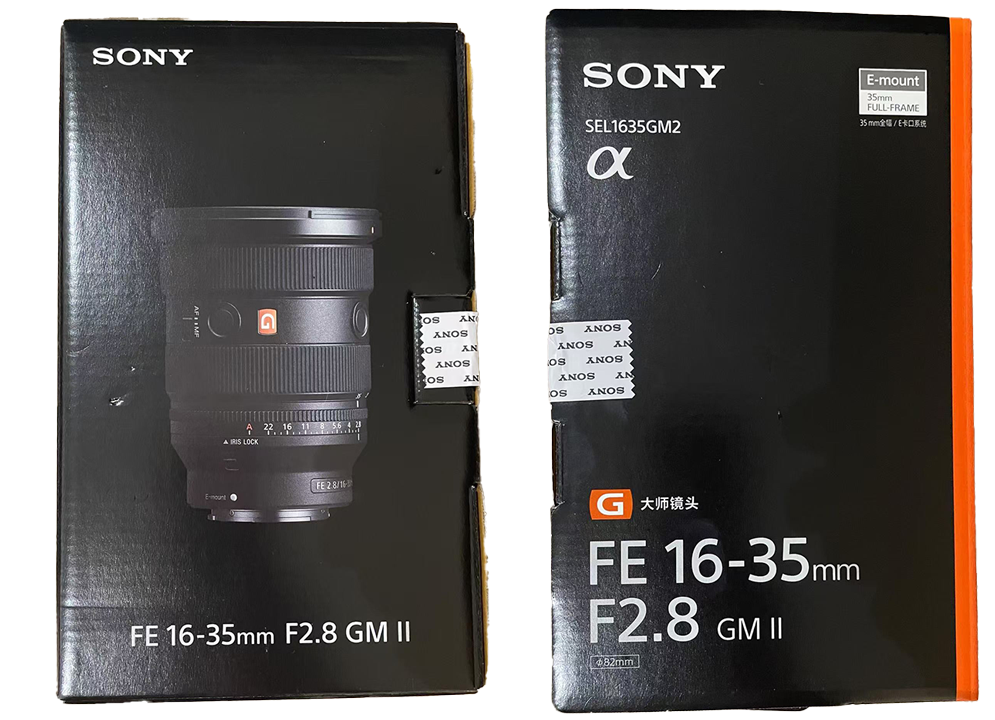
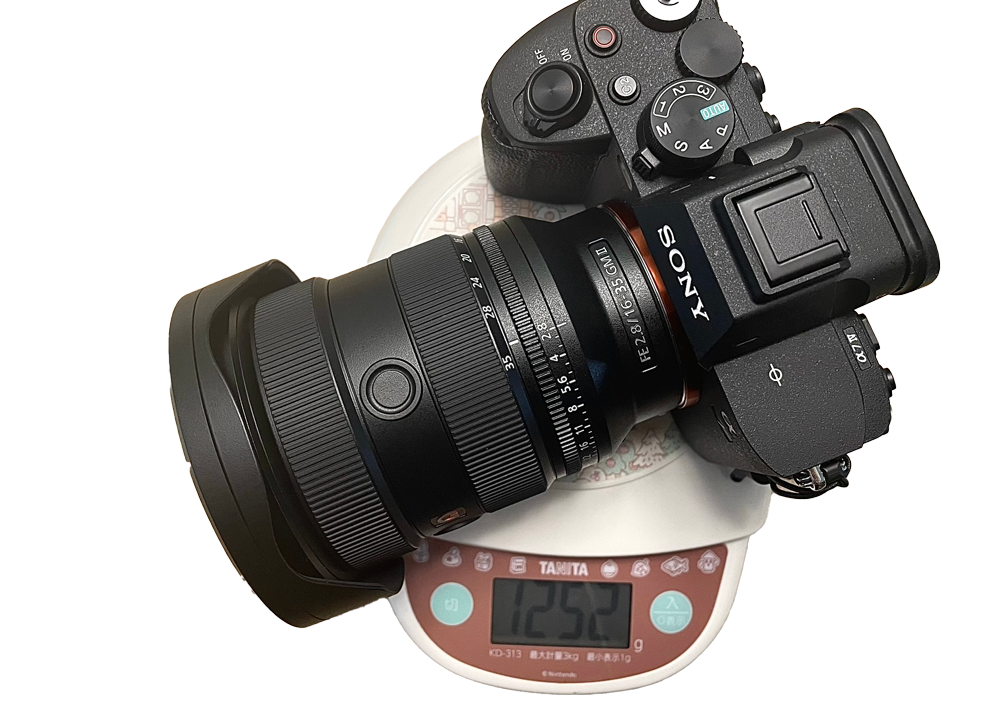
The basic numbers:
- Focal length: 16-35mm
- Maximum aperture: constant f/2.8
- Optical construction: 15 elements in 12 groups
- Filter thread: 82mm; dimensions 111.5 x 87.8mm; weight 547g
- Controls: AF/MF switch, de-click aperture switch, aperture lock, two custom buttons
- Rings: aperture, focus, zoom
With the A7 IV the combo weighs 1,254g. Coming from the 70-200mm GM II, my first impression was that the 16-35mm felt light. I can carry it for a morning without much fatigue.
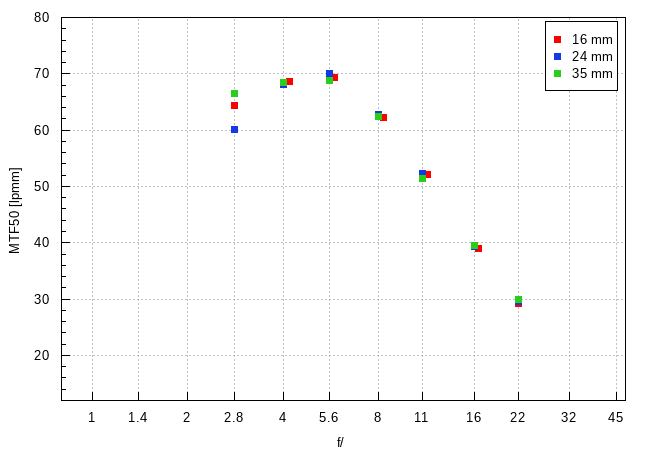
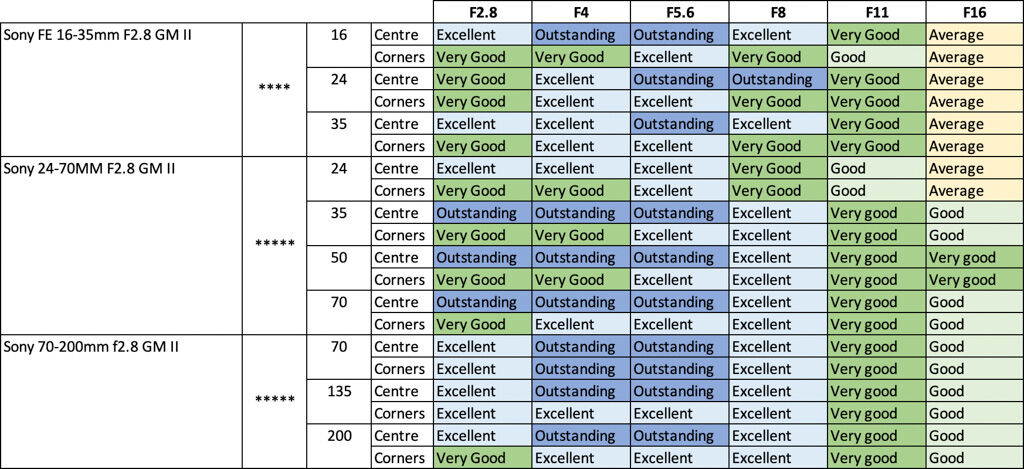
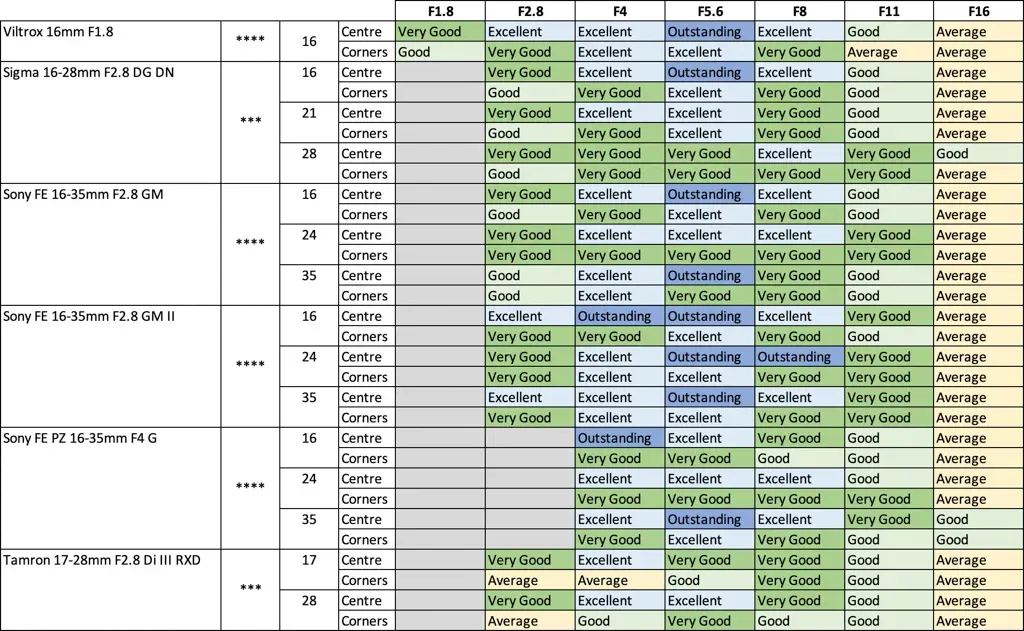
Independent resolution charts are encouraging. At the center, 16mm and 35mm are almost indistinguishable at every aperture; only 24mm at f/2.8 is a little softer. At the edges, 16mm is better than 35mm between f/2.8 and f/5.6, and from f/8 onward they are essentially even. Overall the lens looks balanced and consistent across the range. Sharpness comparisons with Sony's other f/2.8 zooms and with similar lenses at matching focal lengths put it in the top group.

The FE 16-35mm f/2.8 GM II was released in late 2023. Compared with the first version, it adds stabilization and reduces both size and weight. My one complaint is the external zoom design; at this price it feels a bit off. On the first weekend I took it out for street shooting to see whether it lives up to the G Master name.
The wide end is both familiar and strange to me. Most phone main cameras are around 24mm, so the field of view is not alien. But I have spent a lot of time with telephoto lenses and their compression, and I rarely shoot this wide. A wide-angle photo needs to make a scene look unfamiliar at first glance, which is part of why this focal length is difficult. At 16mm there is more drama and it can be easier to get a striking frame, but the scenes that really suit it are not common.
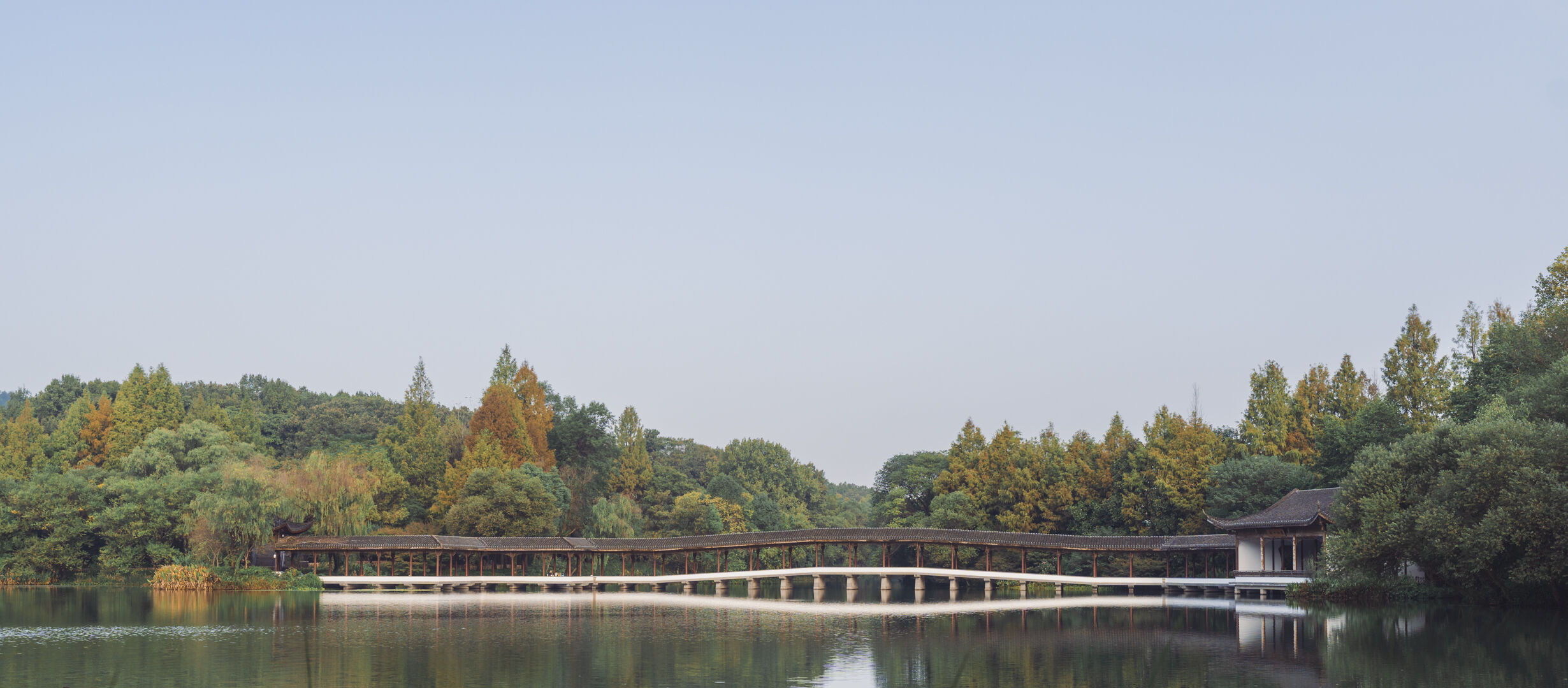
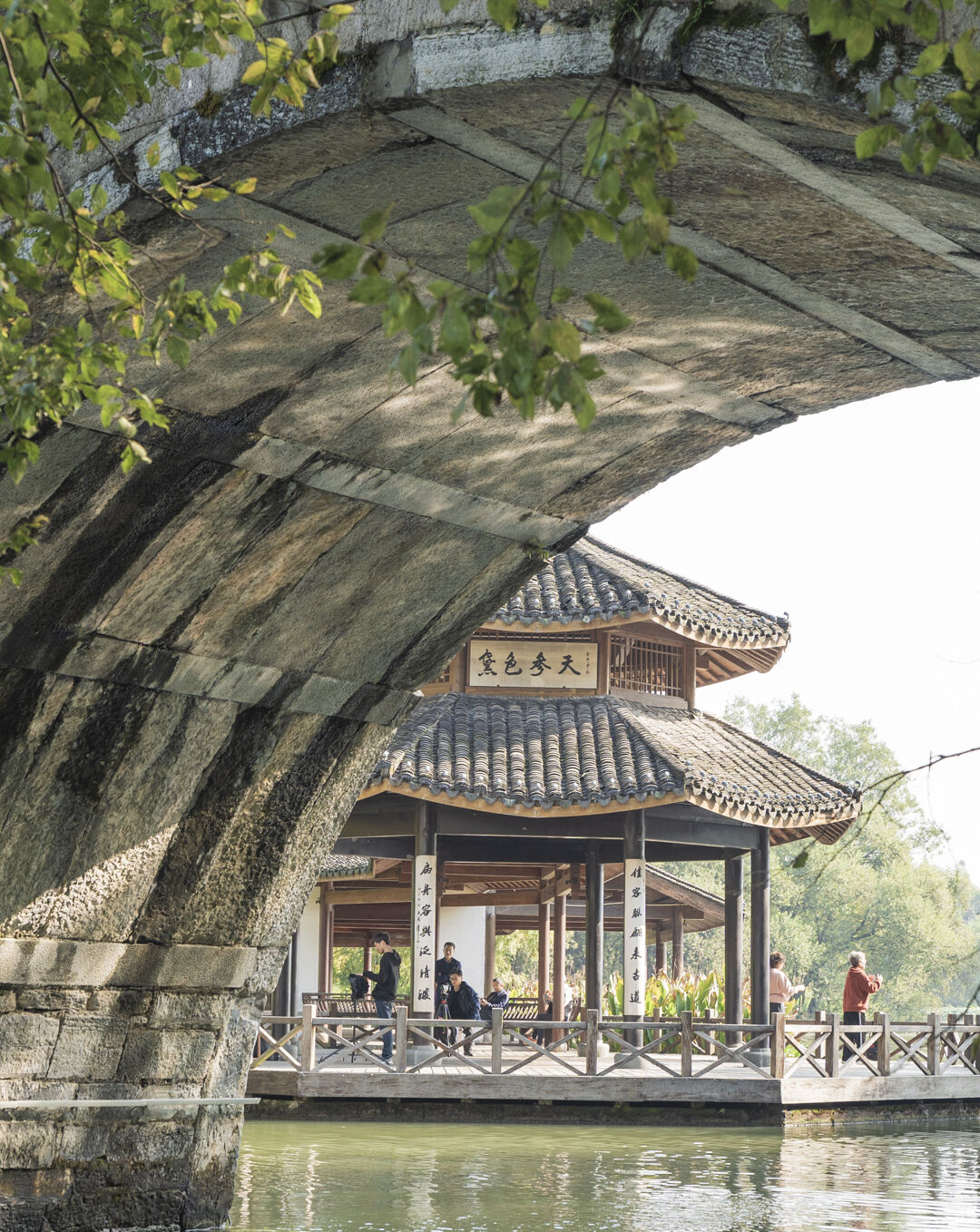
I went to Yuhu Bay and Maojiabu, two smaller spots around West Lake that fit my idea of Hangzhou. To avoid the crowds, I arrived around 7 a.m. and parked near Yuhu Bay. The weather did not cooperate: a typhoon had pushed the sun behind the clouds. Partly because I was still getting used to the lens, I came away with only one frame I liked.
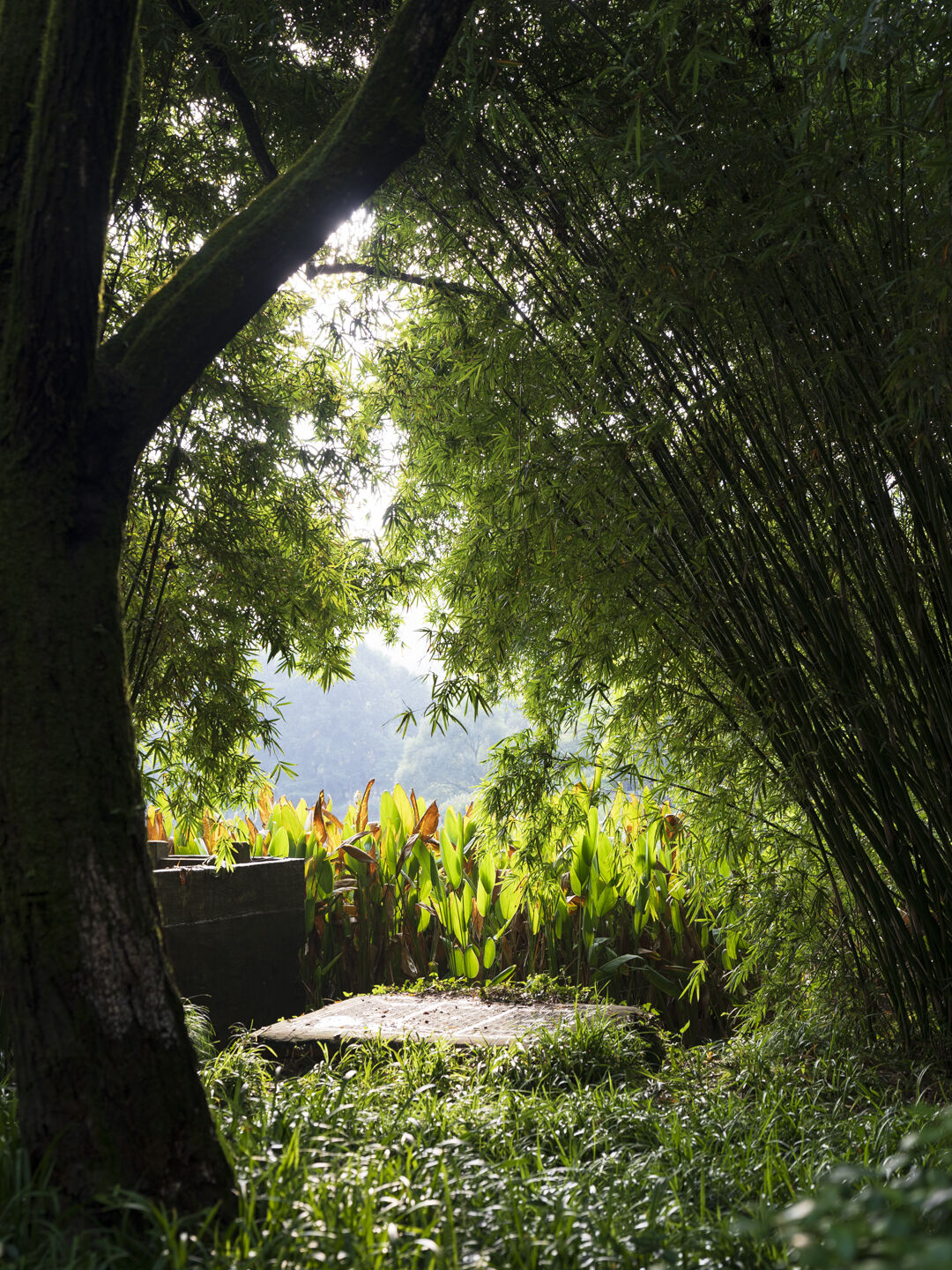
Then I walked along the inner West Lake toward Maojiabu. I took a wrong turn into the hills and nearly got lost beside one of the busiest lakes in the country. It turned out to be a decent detour—I saw a quieter side of Hangzhou.
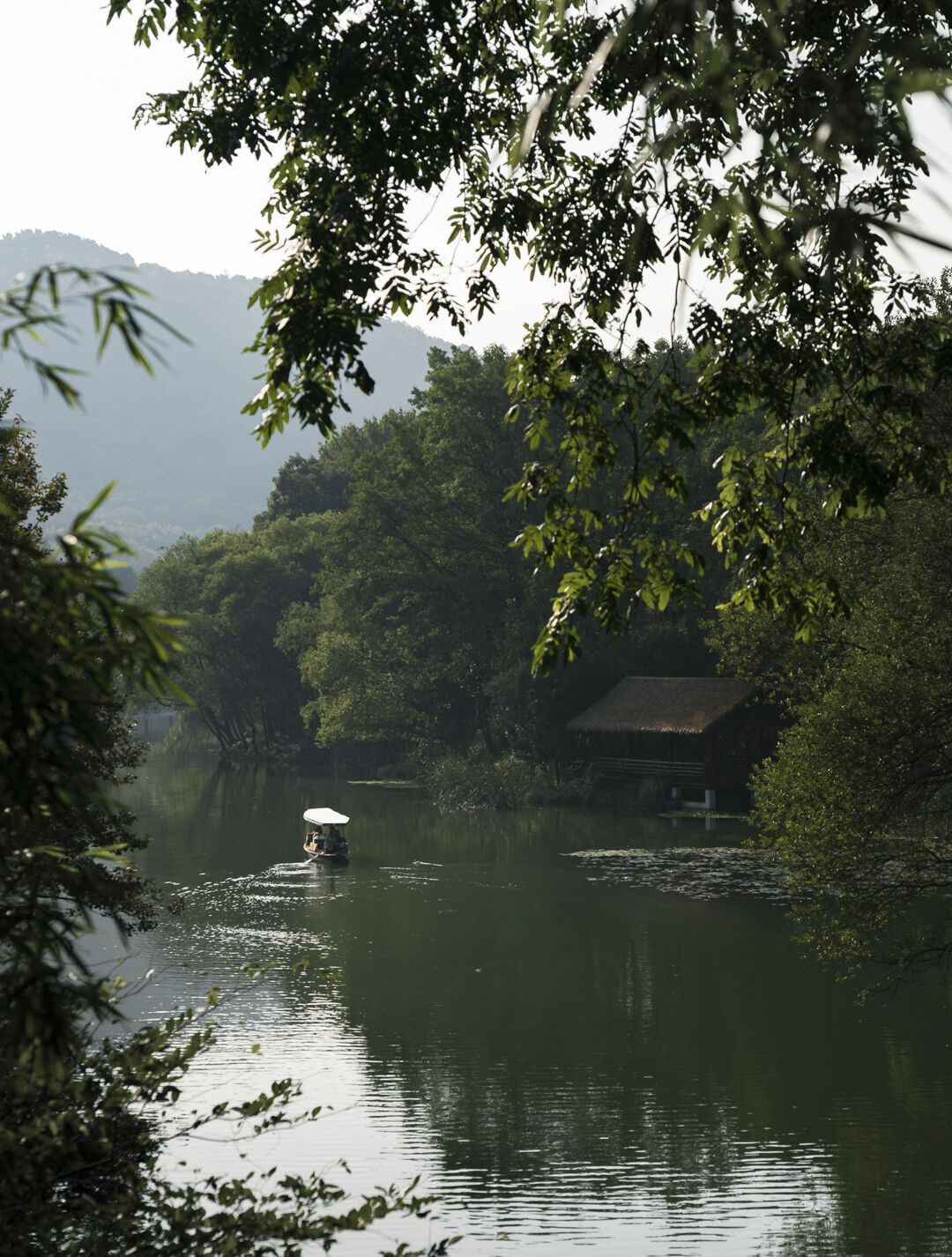
By the time I reached Maojiabu it was 9:30. The sun had come out, which made for harsh backlight, and the air quality was not great. I did not get anything I was happy with. Maojiabu is better at sunrise or sunset, when there is mist or smoke in the air.
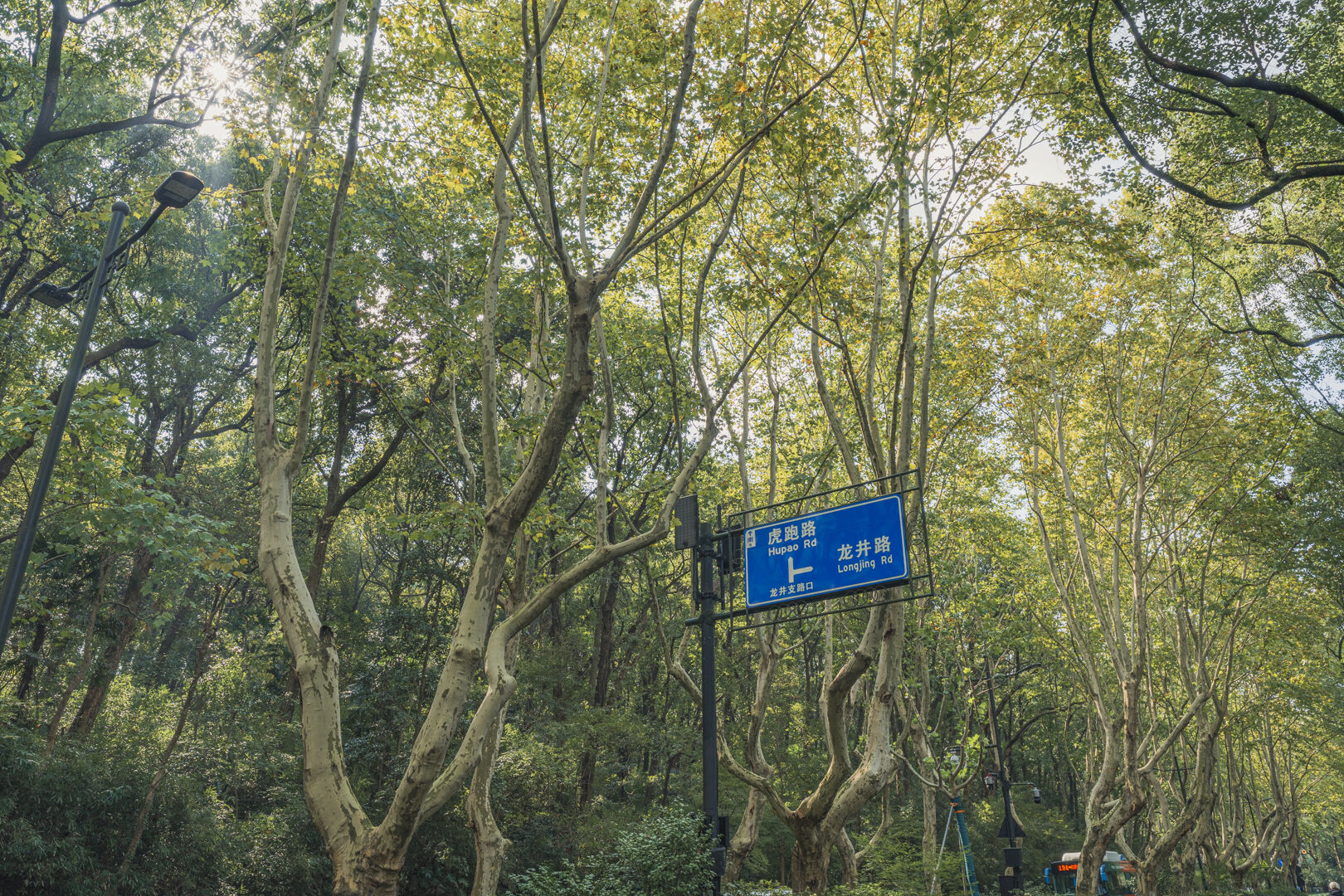
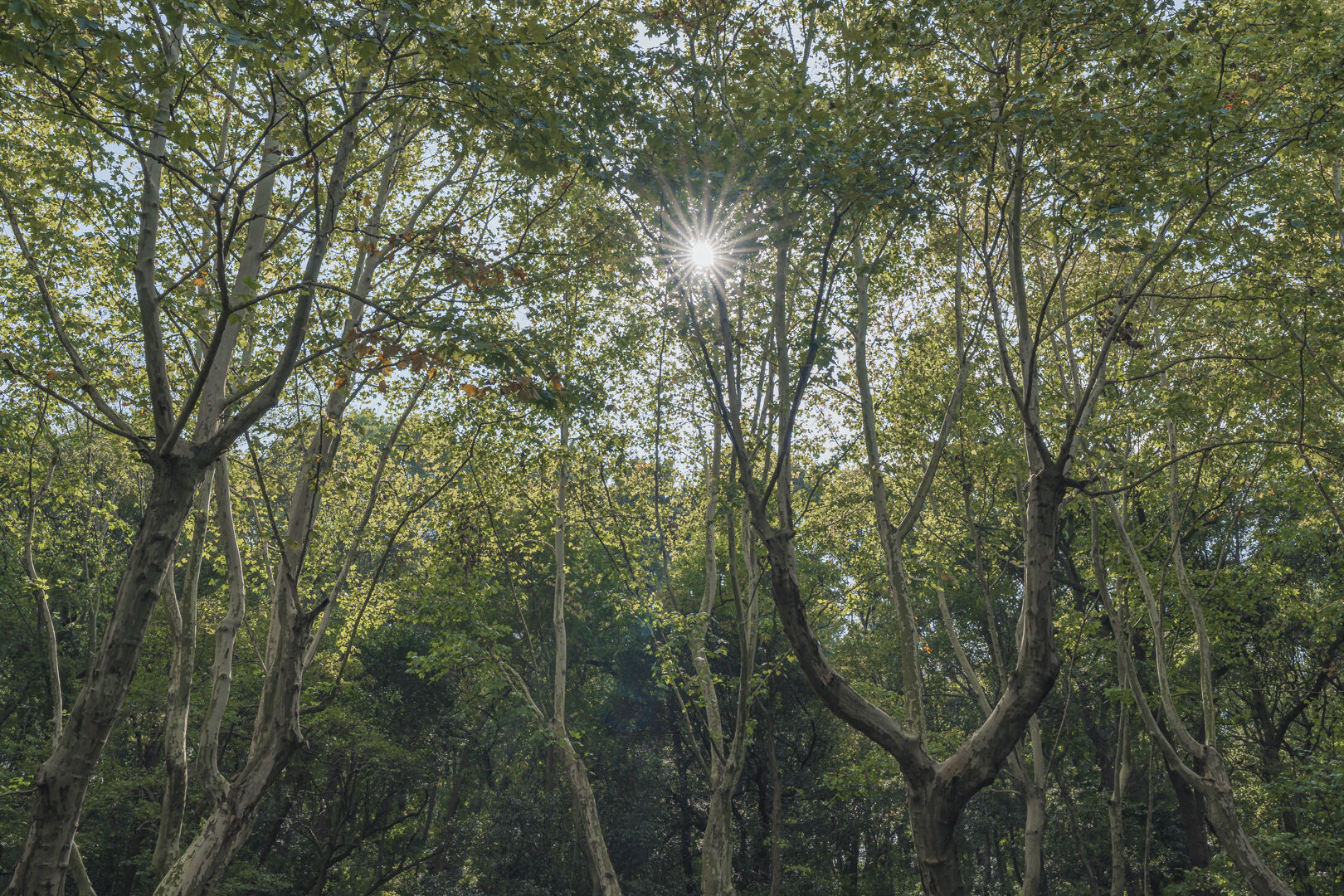
On the way back I avoided the small paths—I did not want to get lost again—and walked along Yanggong Causeway. Sunlight was coming through the plane trees, so I used the opportunity to test flare. In the next two frames I stopped down to f/11. The sun turns into a starburst, and there is some flare, but it is acceptable overall.
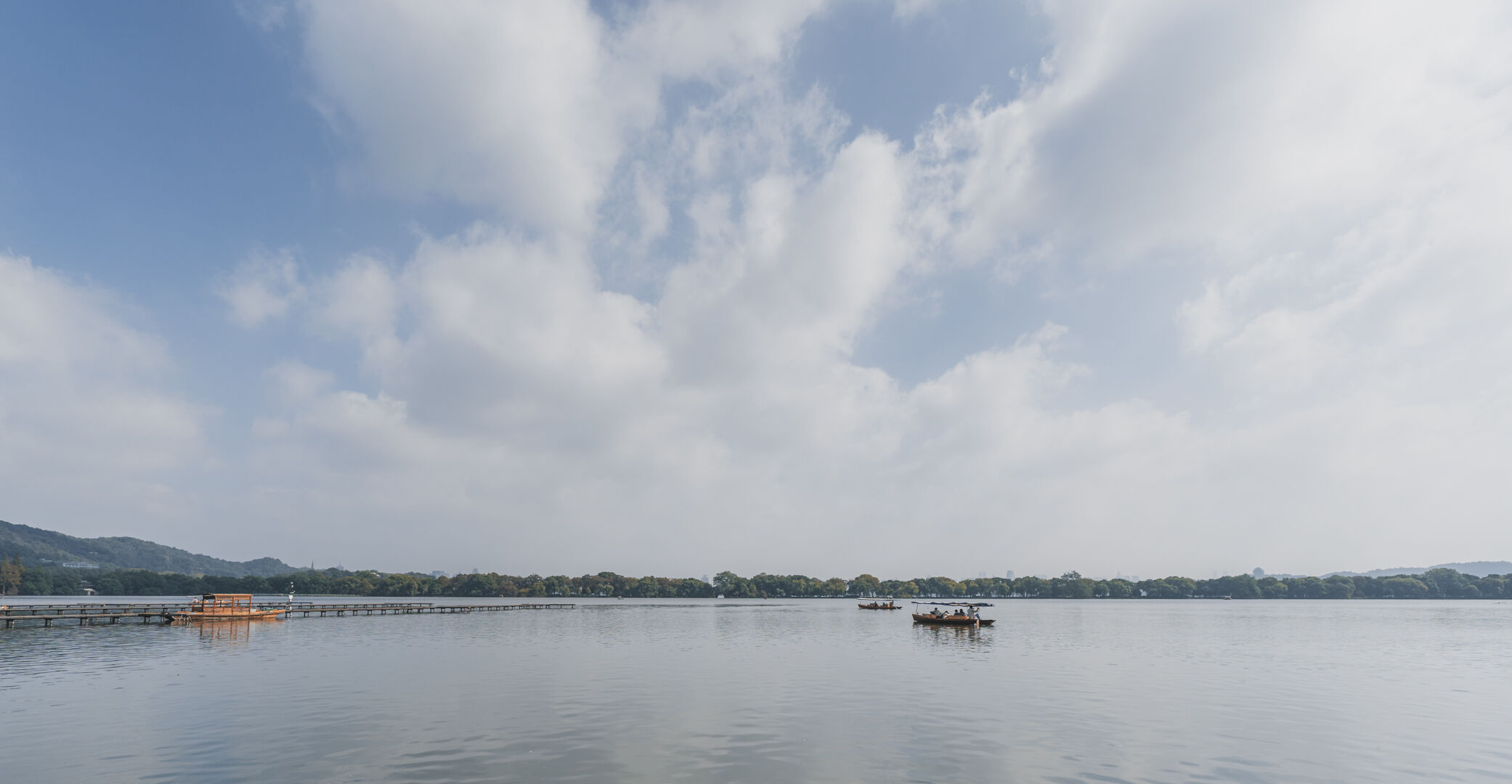
When I passed Shenzhou Base, the lake opened up and I finally had a reason to use the wide end. At 16mm the view is genuinely impressive.
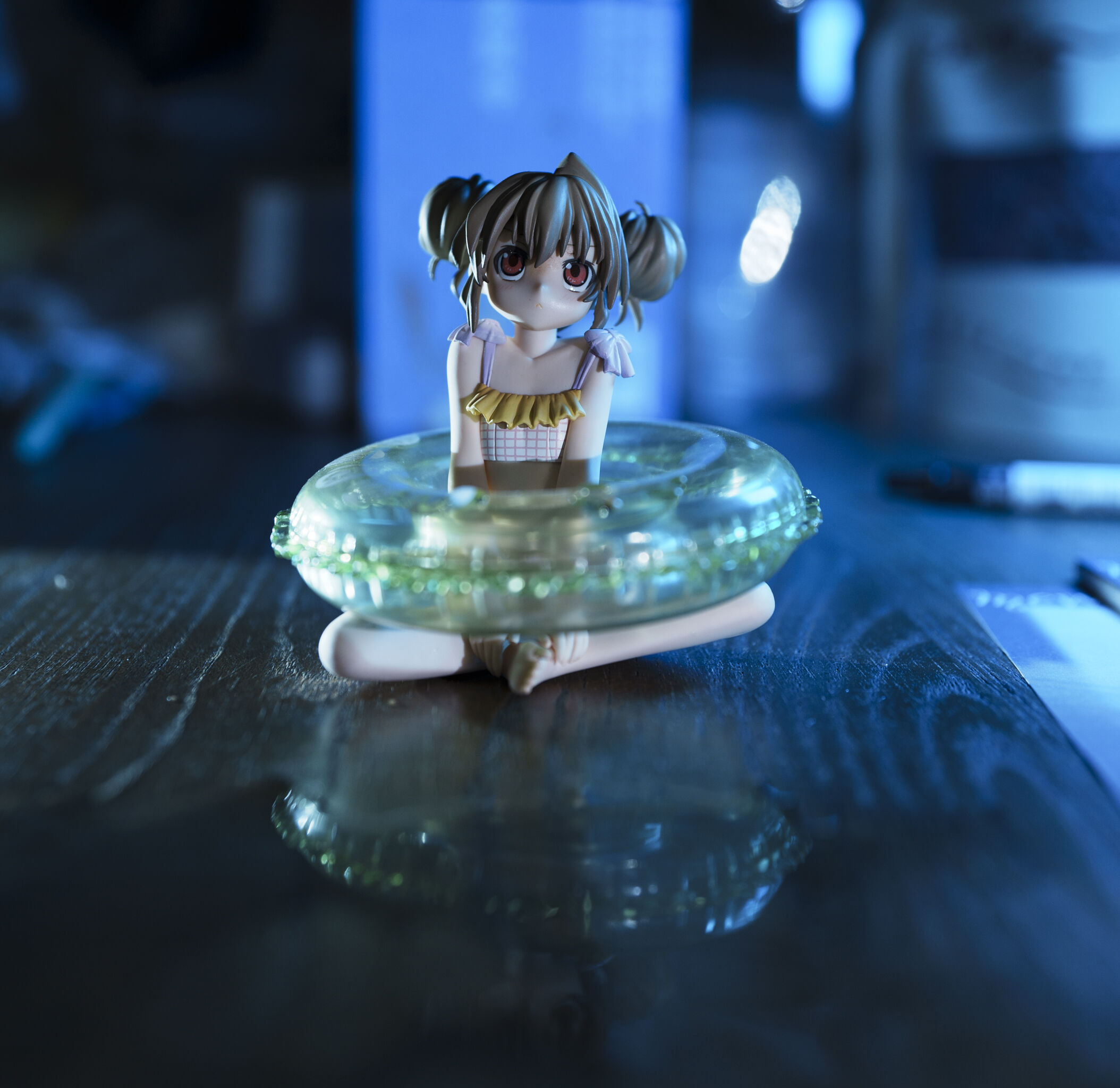
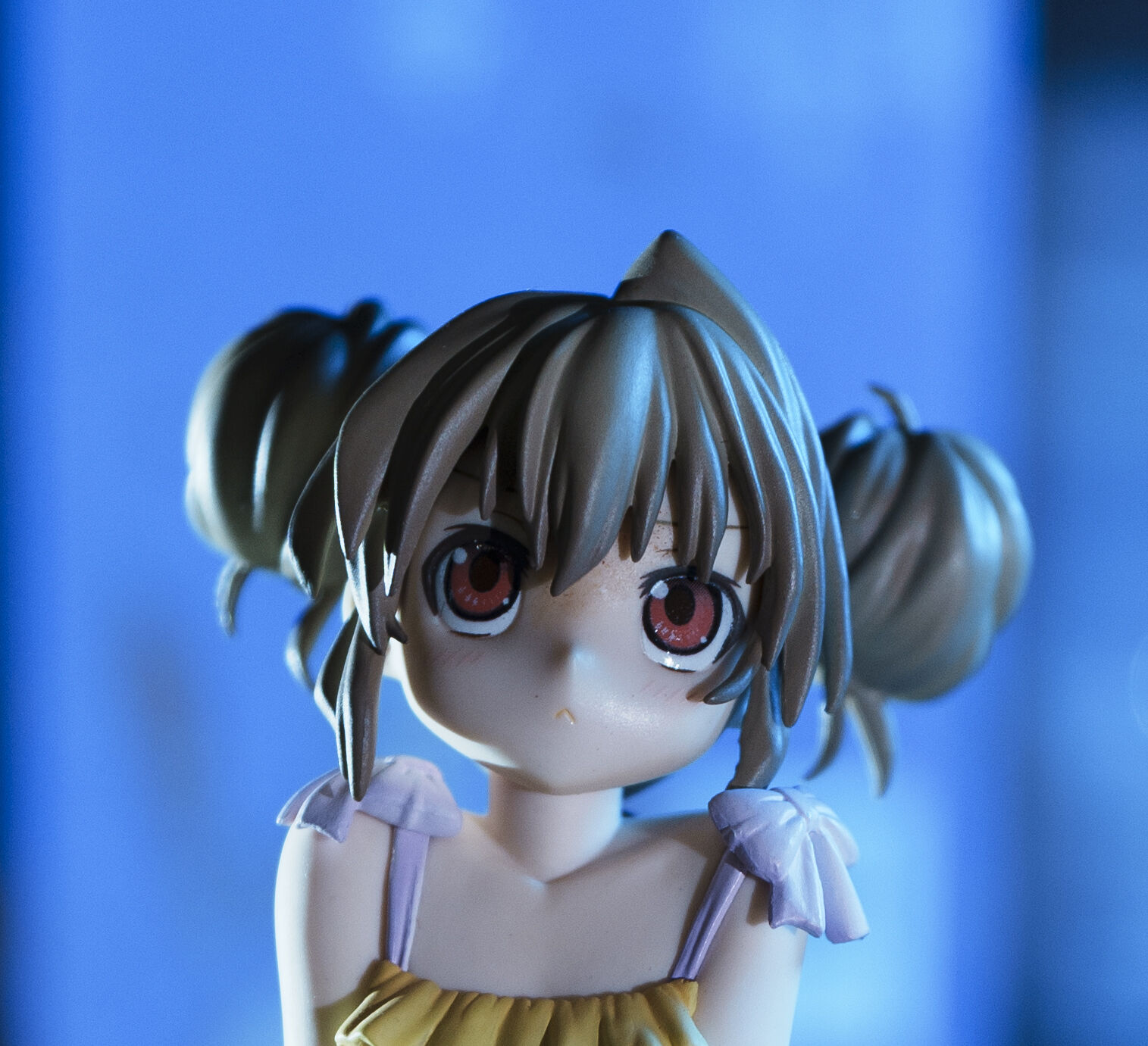
I lit this with a flashlight and the phone's flashlight. It was my first proper attempt at a still life, and it worked better than I expected. At f/2.8 the background blurs nicely. Ignore the smudges on Dahe's face—it has been around for years.
The shortcomings first: the price is high, and the external zoom design bothers me. It was probably a compromise for portability and optical performance, but from what I have read about the first generation, that lens was not especially heavy, so I am not sure the tradeoff was necessary. Flare control also seems a step behind the first version. On the plus side, as a G Master with a constant f/2.8 aperture across 16-35mm, it can handle almost anything. Autofocus is quick and the center is sharp. It is a lens worth considering.