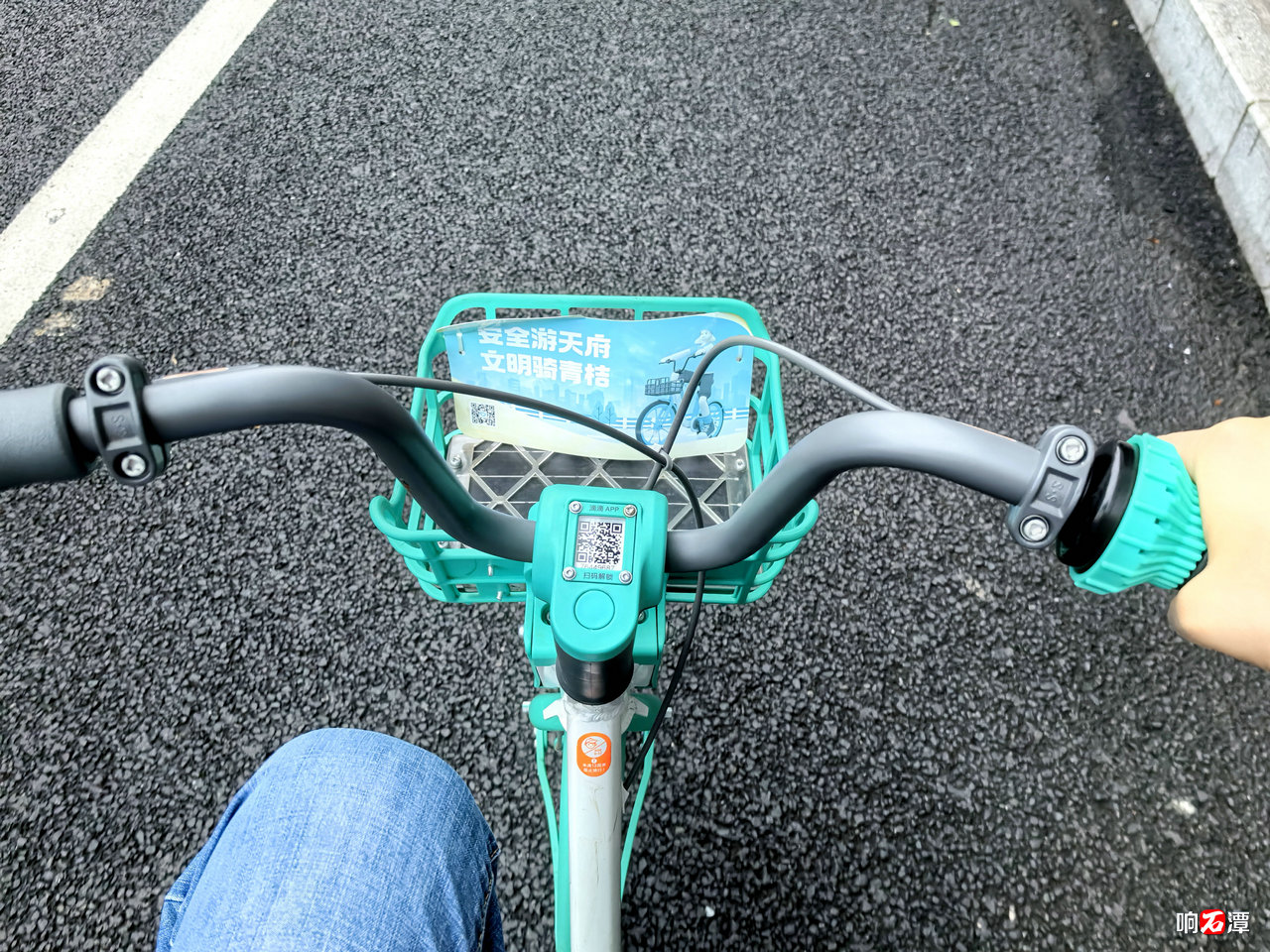
From Tuesday to Friday I made a four-day trip to the Eastern New Area. Each day started a little after six. By seven I was on my bicycle, heading to Tianfu Square to catch Line 1. At South Railway Station I changed to Line 18 and rode it to Sancha.
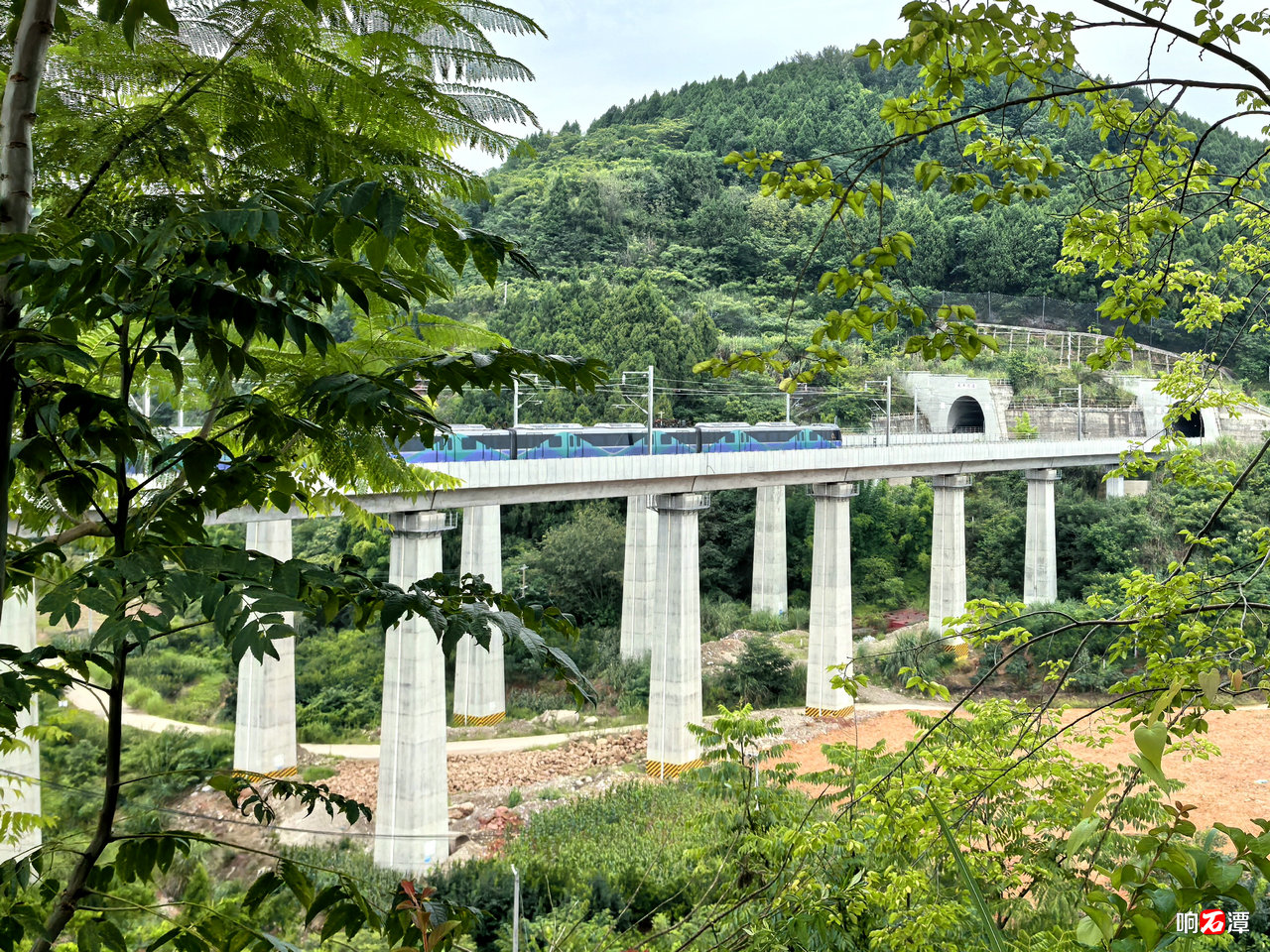
Deep in Longquan’s mountains, the characters for Taiping Tunnel stand out sharply. The tunnel opened in 2017, so it has been seven years now. As I passed, a Line 19 train went rushing by.
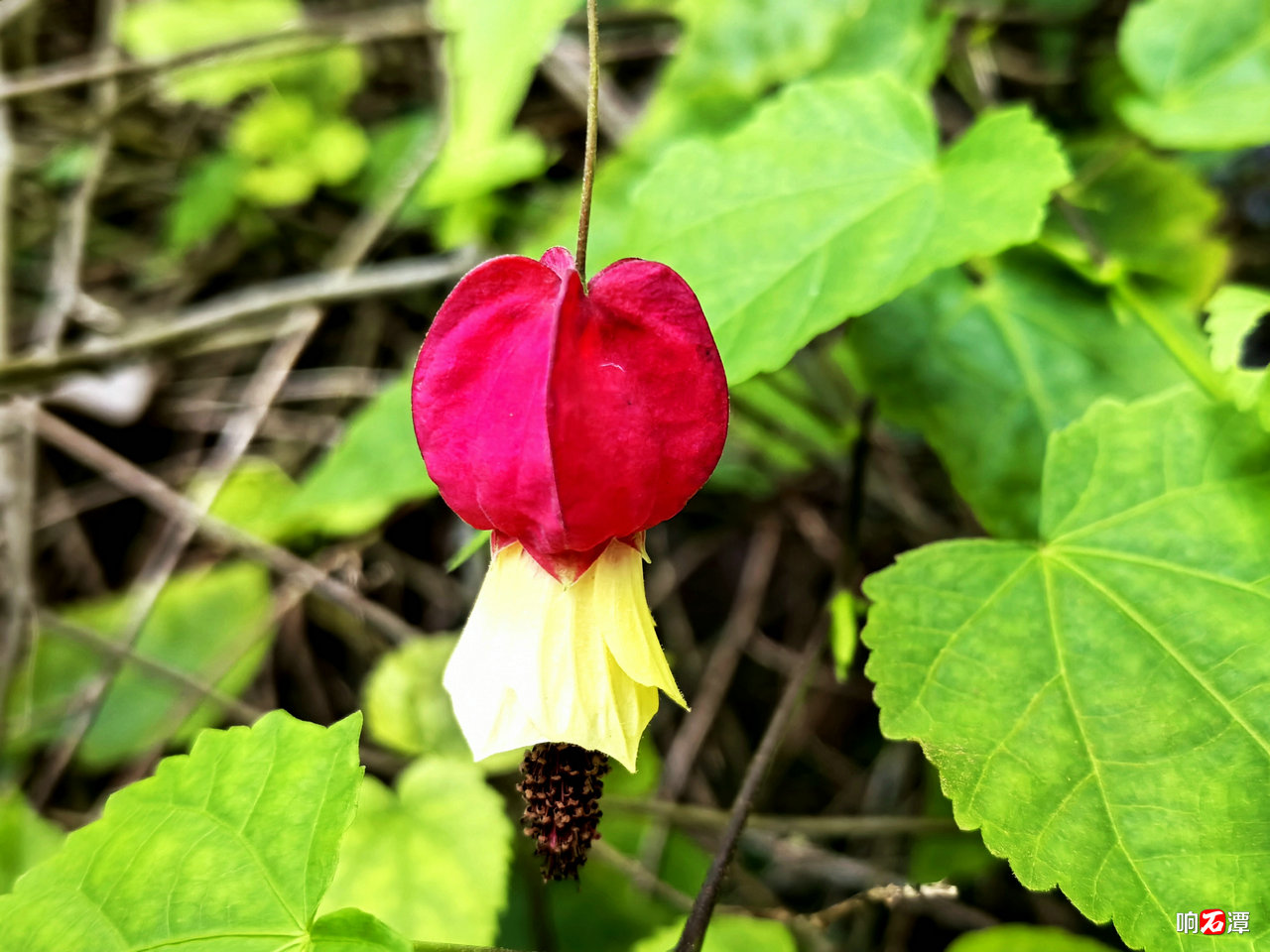
Although this is the Eastern New Area, the countryside is everywhere here, much of it still raw and unspoiled. The fields are full of small grasses and crops. There is, for example, red-flowered abutilon, its blossoms hanging like tiny red lanterns.
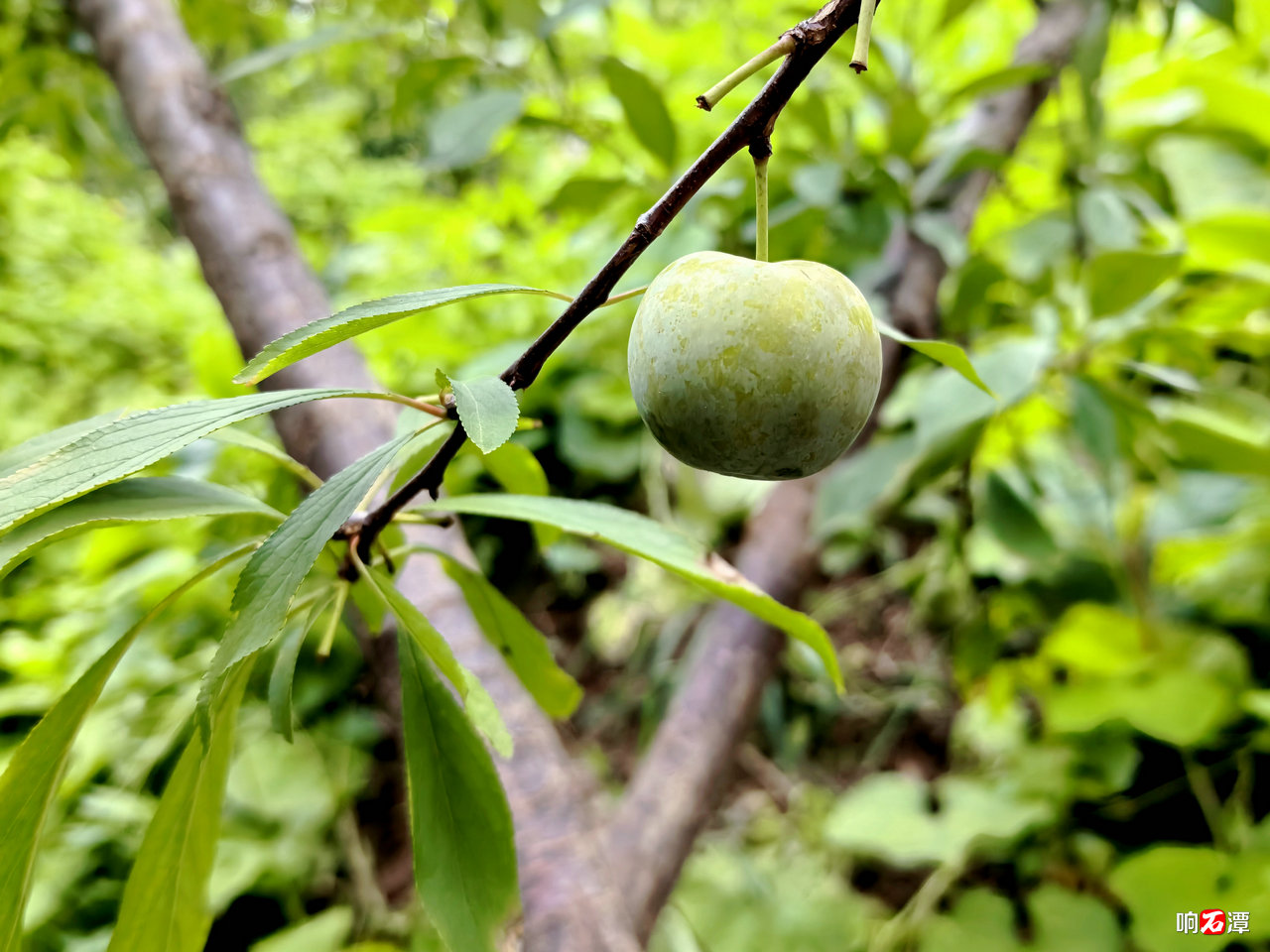
At the edge of a field I found a plum tree. Just one glance was enough to make my teeth feel weak and sour—the old idea that plums can quench thirst from a distance is no joke.
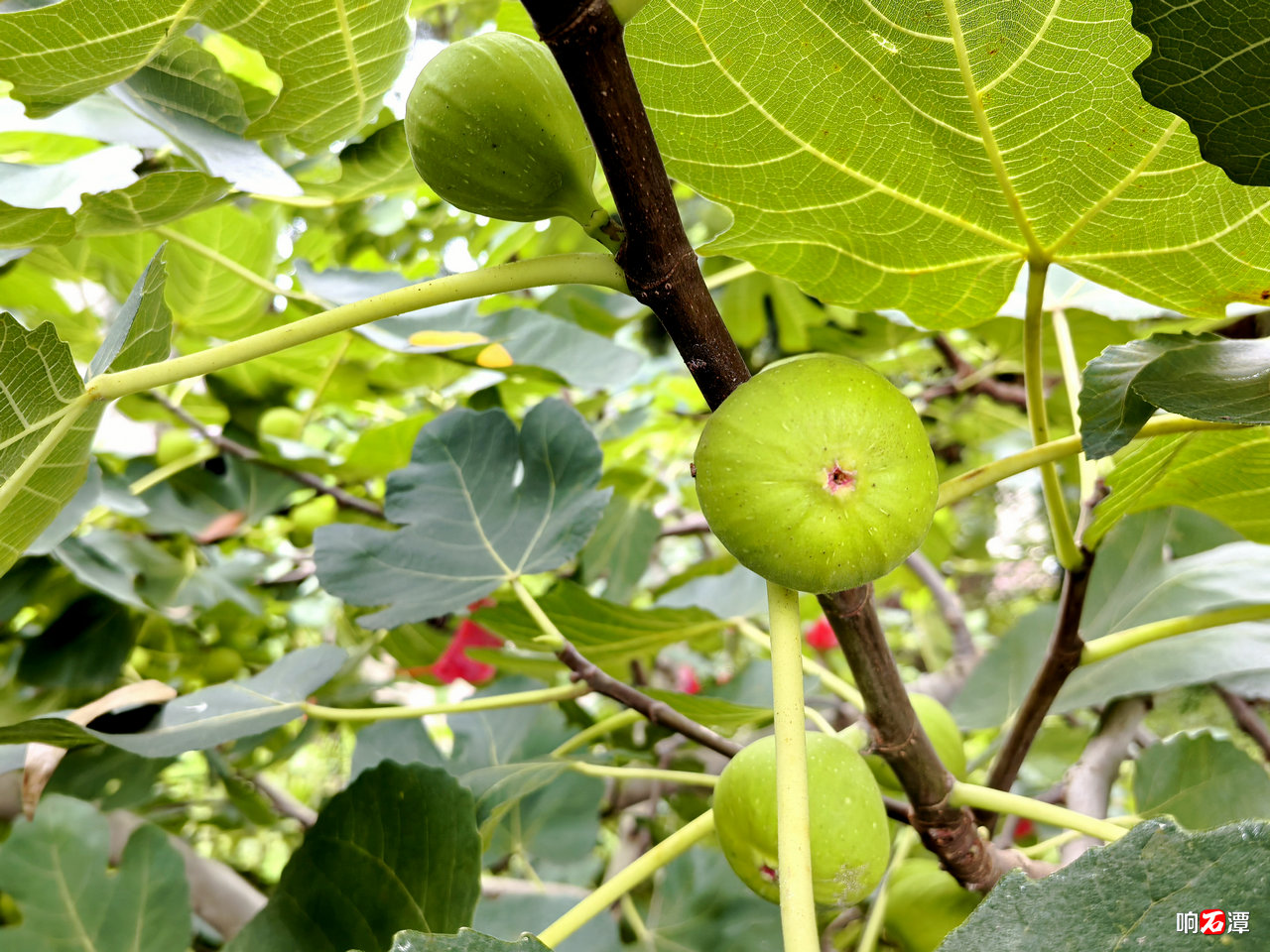
There was a fig tree too. It reminded me of the time I ate too many figs and my whole tongue ached. Too much of anything is as bad as too little; there has to be a boundary, and one should know when to stop.
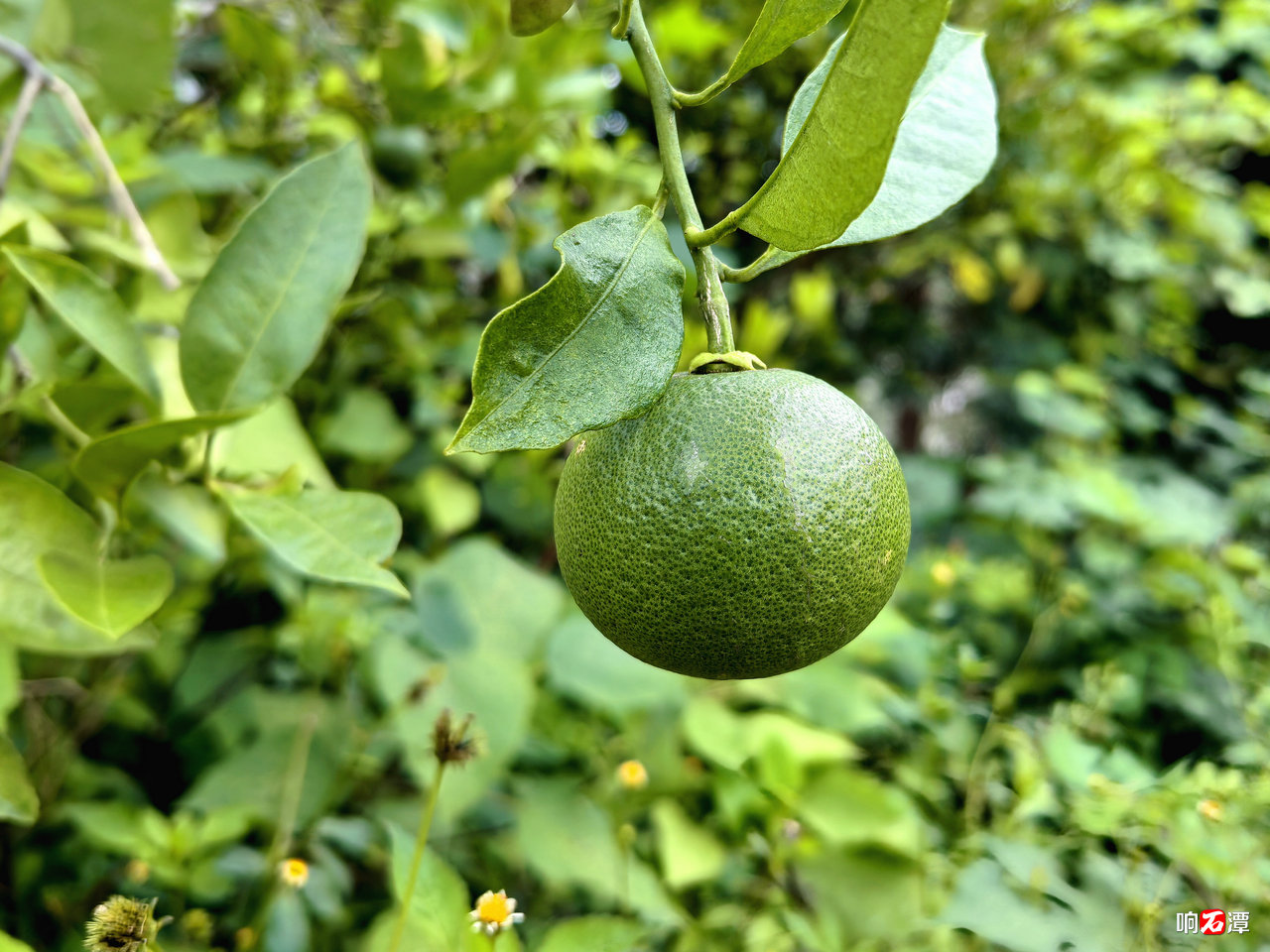
The orange tree did not make me think of sourness. What came to mind was the smell of orange peel, sharp and fresh, filling the air with fragrance.
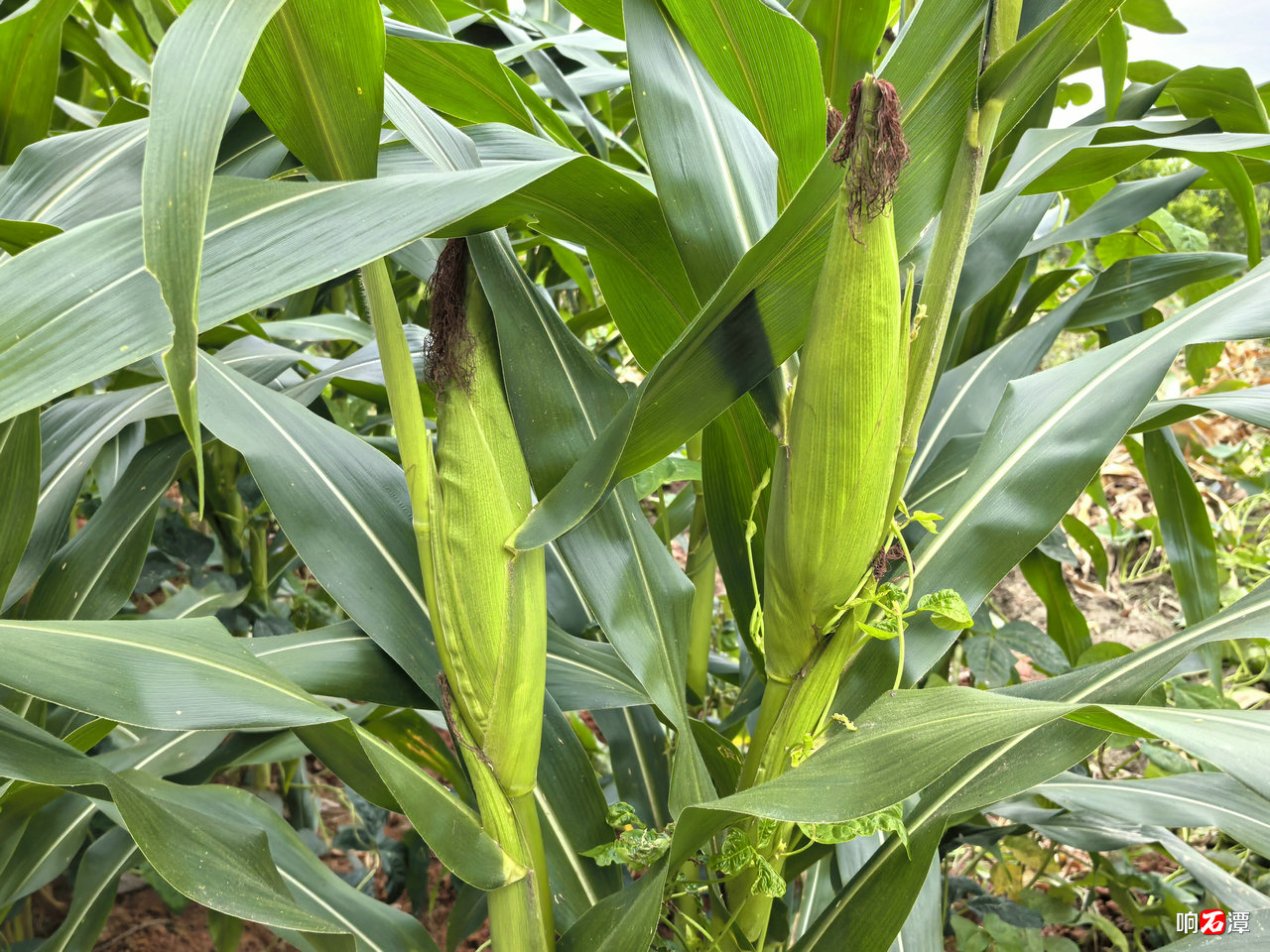
Corn was growing in the fields as well. When I was small, I used to hang the corn silk over my ears and let it trail down my cheeks. Ha—that was Grandpa’s beard.
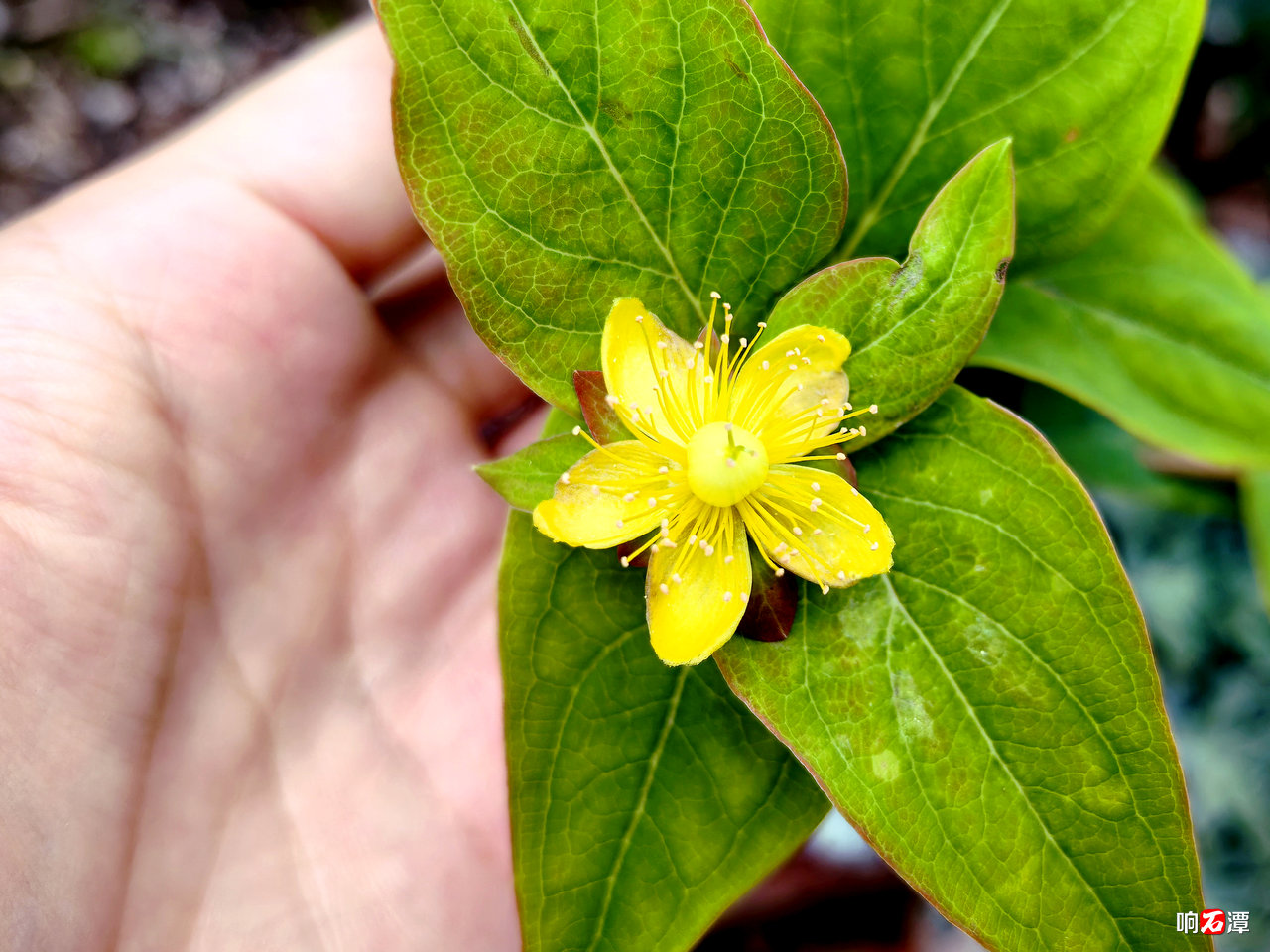
Then there were the golden-thread flowers—petals, stamens, every flower a plant opens is so unlike the next. The world holds all kinds of lives, each with its own way of going about things.
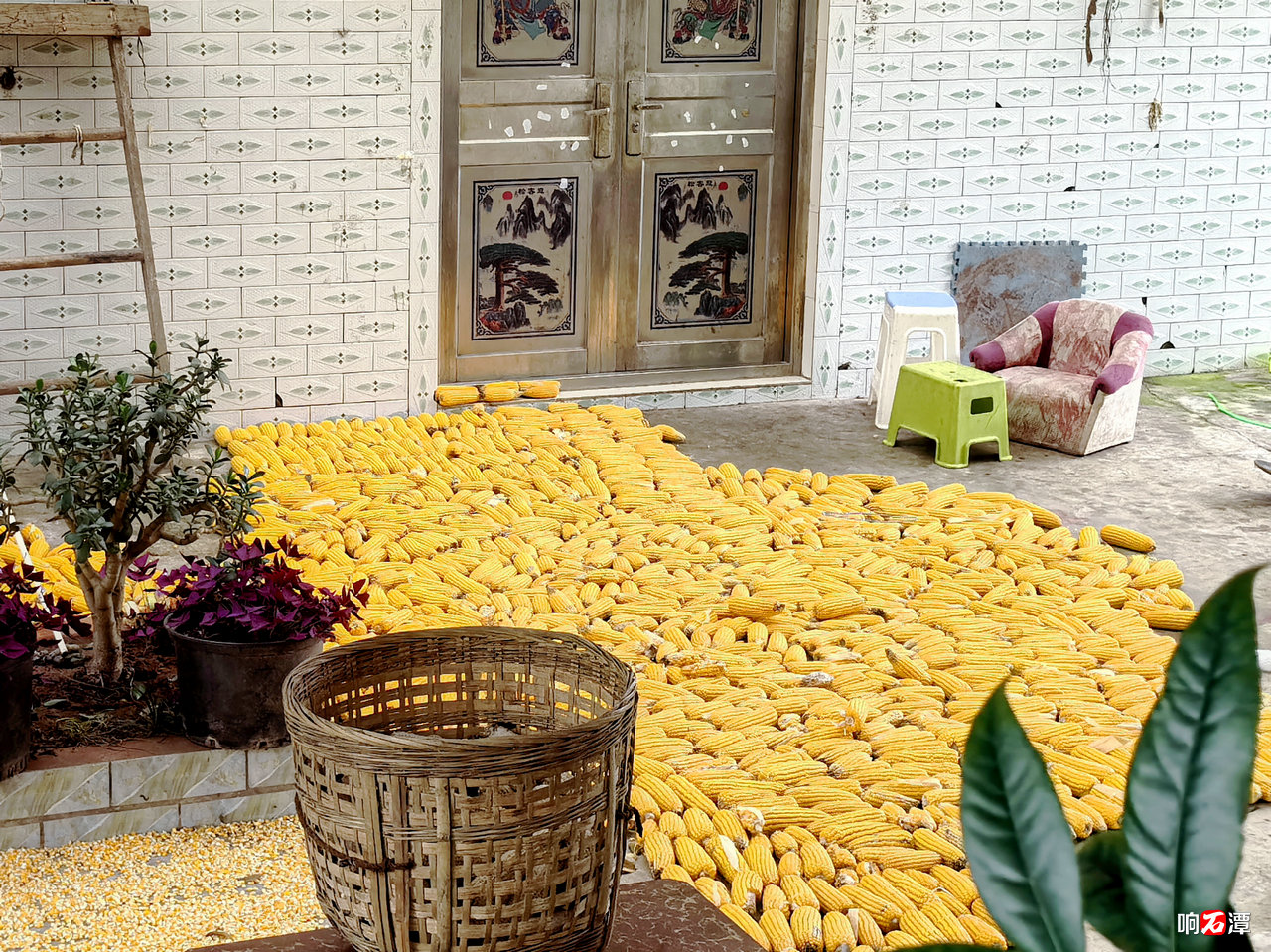
In the yard, corn had been spread out across the ground. A small sofa stood there, with a green stool in front of it. Maybe one could sit on the sofa, put one’s feet up on the stool, and have a fine sleep.
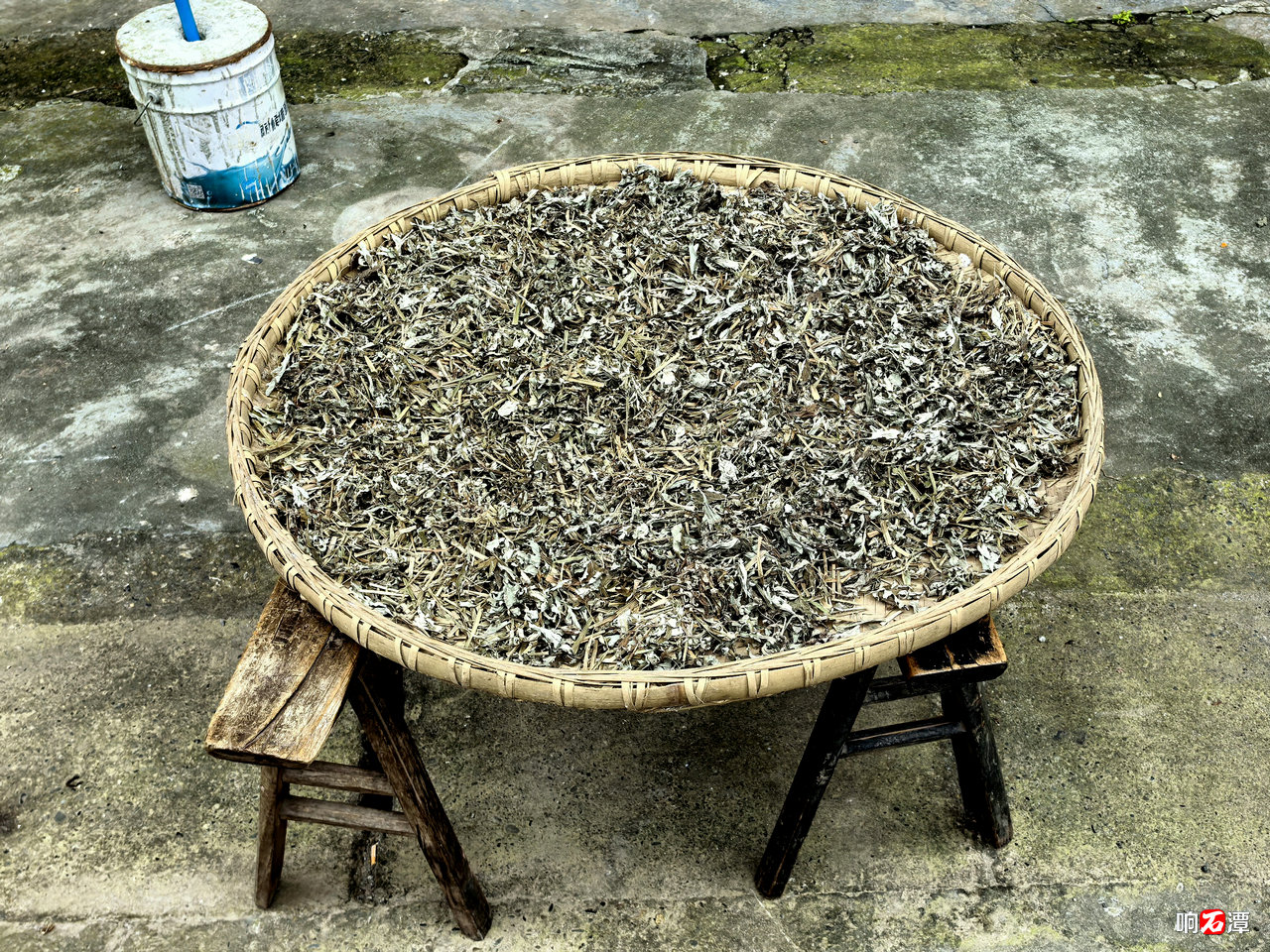
Tea leaves were drying in the sun—or perhaps Chinese herbs. Whatever they were, people had picked them with effort and laid them out under the sun. Drying lets them take in the essence of sun and moon; after that they can be taken in.