A while ago I mentioned that I wanted to make a free booklet of my stories about the older brother and younger brother. The full print run arrived this week, and by today, aside from a small number being held for friends temporarily, almost all of them have already been mailed out. I started planning this at the end of March, and now it is basically over, so I wanted to write down the process a little.
In terms of timing, it was actually fairly loose because there was no hard deadline. At the end of March I arranged the cover and layout with friends online. By the second half of April I had organized the files and finished proofreading. The layout was completed in May, samples were made, and I received those sample copies around the middle to late part of the month. In mid-June, the full print run arrived and I sent everything out. The timeline ended up stretching quite long, but not because I was slacking off on purpose. If you think about the fact that I was also working for two of those months, I feel like I deserve at least a little praise.
The cover and layout process itself was pretty smooth. I did ask the designer to revise the cover several times, but those were all resolved quickly. One thing worth mentioning is that from the very beginning I had already decided on a sewn softcover binding. Some printers call it a hollow-back sewn binding. Basically, the signatures are thread-sewn, the spine gets a thin layer of glue, but the book still has a soft cover including the spine. If there is no spine cover, that version is usually called exposed-spine sewn binding. Like saddle stitching, this kind of sewn binding also requires the page count to be a multiple of four.
While I was working on sample copies, I happened to see two slightly different versions of this soft sewn binding, and that is how I learned that some printers can add endpapers to this binding style while others cannot. With endpapers, the book becomes a bit sturdier. My final run did not include them.
From the outset I had decided on a dark-colored cover, and there were also three pages inside that would be solid black with white text. In my head this was going to look incredibly cool. I did not expect those two choices to become the source of so much trouble.
The first problem was the cover stock. I had done almost no research and originally planned to choose pearl paper by comparing it with other fanbooks I had on hand. In reality, though, the effect of pearl paper on a dark cover is barely visible. So I stepped back and sampled three alternatives instead: eggshell, elegant textured stock, and cloth-textured paper. Dark covers, however, scuff and lose color very easily. If the edges or spine start turning white after repeated handling, that is basically the printed color rubbing off. I do not know whether it was a production issue or just the nature of the material, but my eggshell paper sample had already started whitening slightly after only a few days of being handled for proofreading. In the end I chose the cloth-textured stock. It has a glossy sheen and just enough texture. I liked it a lot.
The full black pages created a whole separate set of problems I had never anticipated. I contacted three printers. One of them saw the three solid-black pages and immediately raised the cost by eight yuan per copy, saying that full black has a very high defect rate and usable copies would need to be sorted by hand. I did not end up printing with them. Another printer handled the black pages very badly: where two black facing pages met, there was a visible white seam between them, which defeats the entire purpose of making them fully black in the first place. Worse, the black on the contents page transferred onto the facing text page. When I asked about it later, I was told the hot weather had caused glue issues. Eventually I found a third printer. I assume their machines were simply better or more expensive, because their solid black looked excellent, though the price was also higher. And because I specifically wanted the inside of the front and back covers printed black too, so that they would visually connect with the title page, it cost another extra yuan. None of this had occurred to me when I first came up with the idea.
Honestly, I really went all in over those black pages. If I had given up on that idea, I think any of the three printers could have done the book perfectly well. If I had to do it over again, I probably would not be this stubborn.
And yet the solid black pages really are beautiful. Looking at them makes me feel almost intoxicated. If I had never tried it once, I know I would have kept wanting it until I ran into the wall myself anyway.
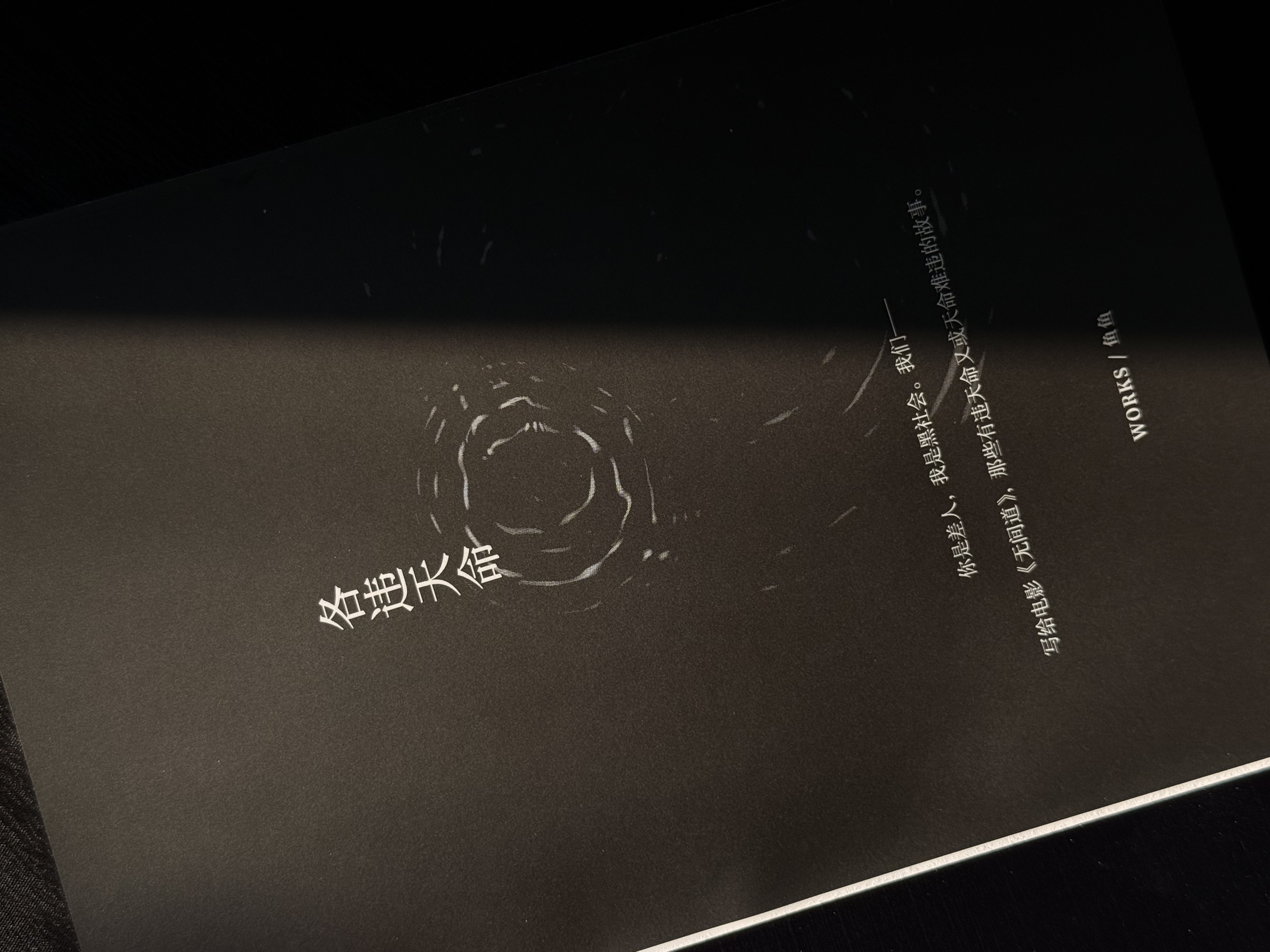
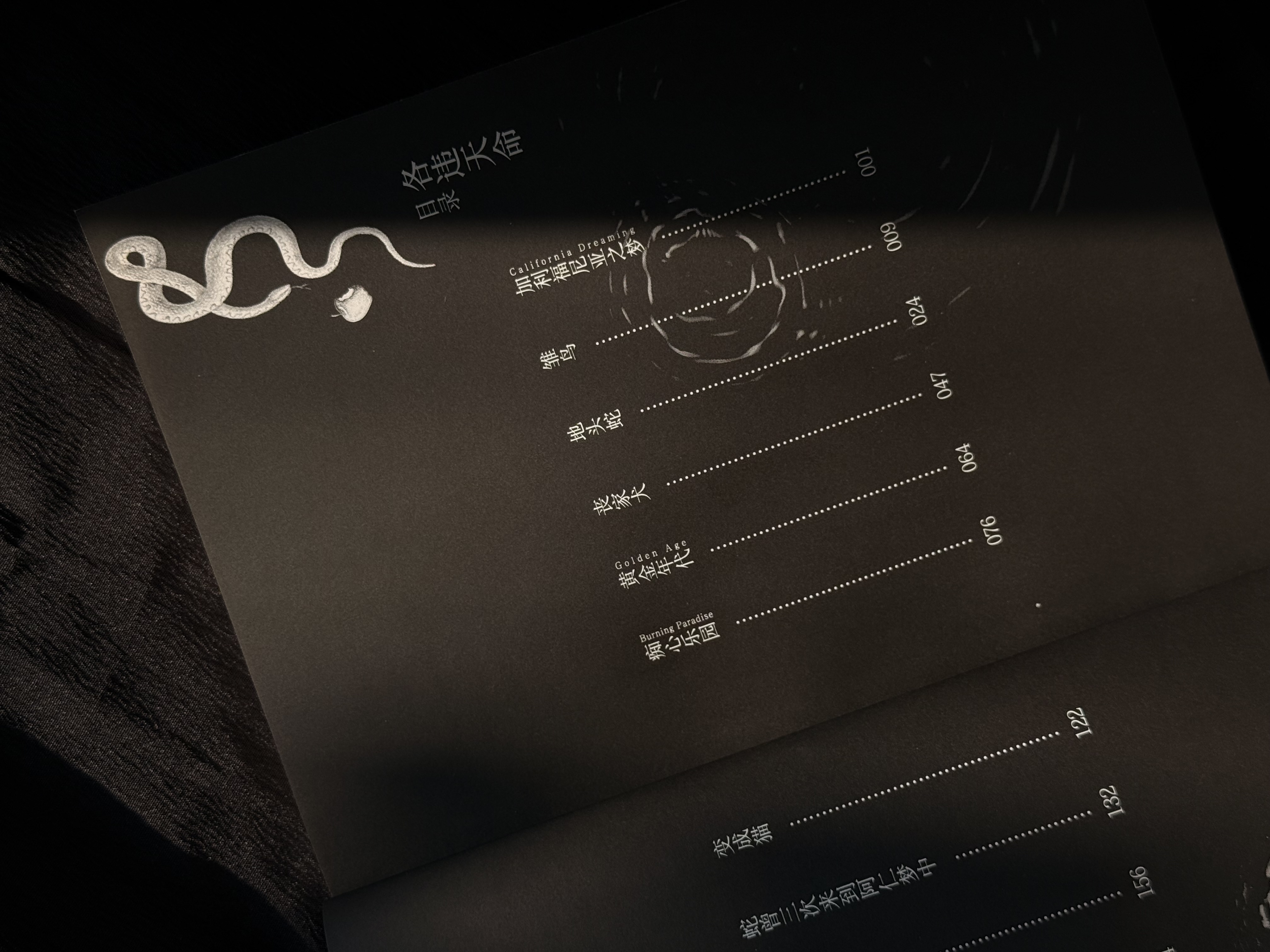
These photos were taken back when I received the sample copies. The final print run has some revisions on those pages; the snake section is darker now and looks more balanced. I am planning to photograph it again when the sunlight is better. I really am absurdly enamored with it.
Another major difference I noticed between the sample copies from two printers was the spine. Please ignore my messy desk.
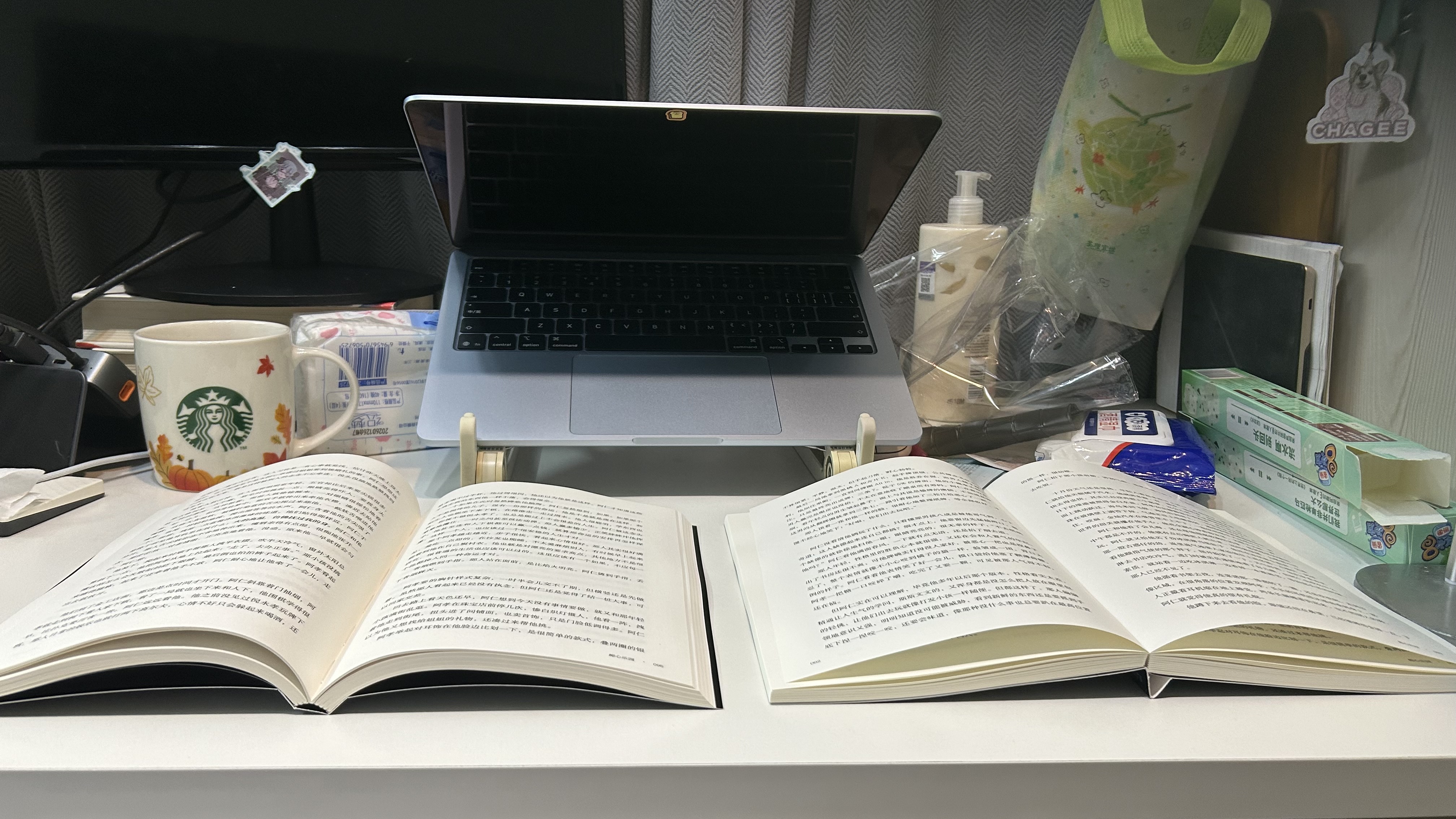
The book on the left is from the printer I ultimately chose. In its natural state, the spine does not lie completely flat, though it seems like it can if you press it down a little. The one on the right does open fully flat, but the sewing itself felt less reliable. While flipping through it, I noticed that the thread hole at the bottom of the spine had already torn through. The sewing on the left was also much neater overall.
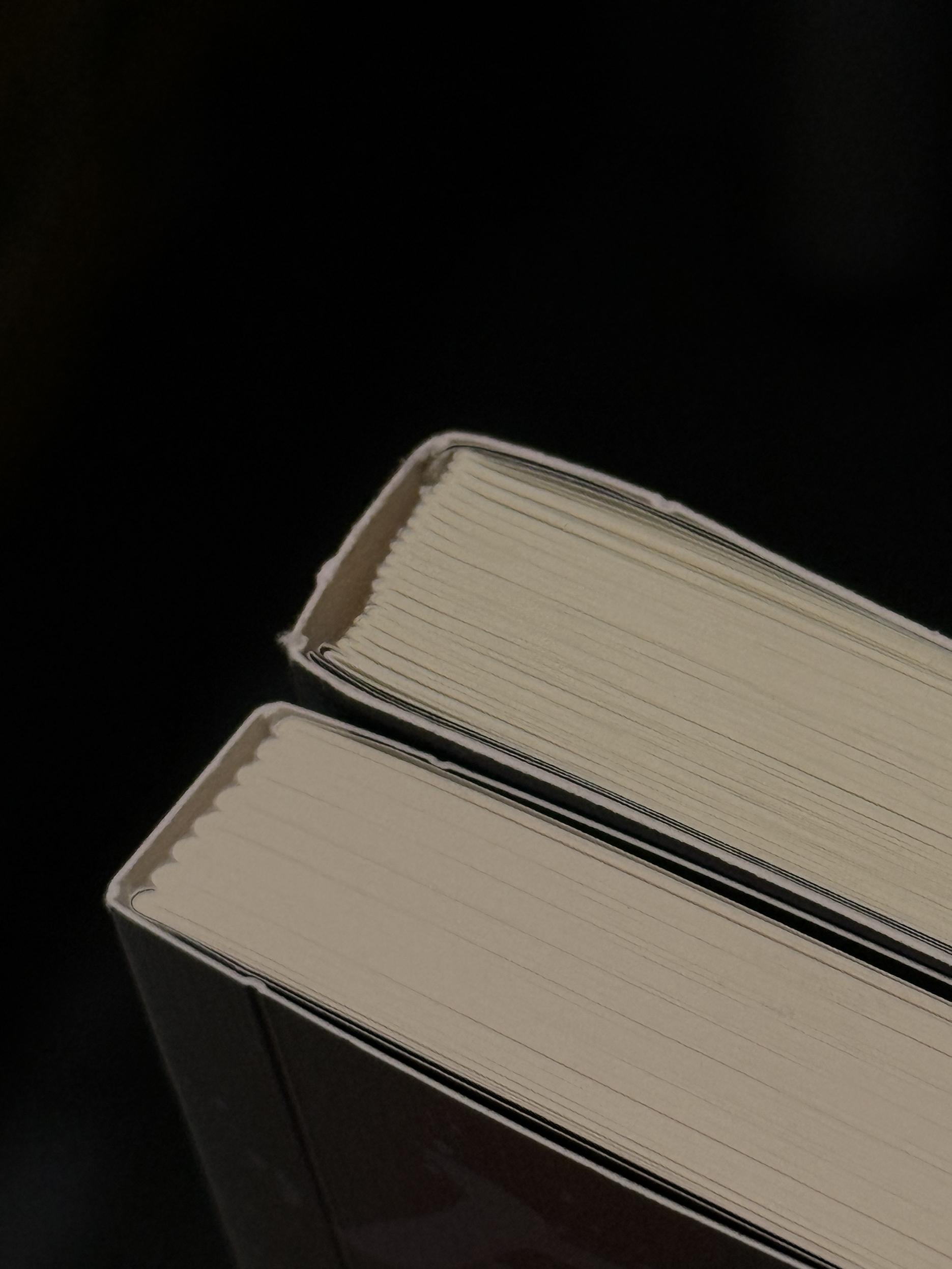
In the photo above, the lower book is my final print run. That spine is so neat it genuinely made me dizzy with happiness.
So while I was going back and forth with the printer confirming details, they repeatedly emphasized all the possible issues: dark covers can come from the factory already showing scratches, scuffs, or color loss; sewn bindings are relatively delicate and should not be stored upright; depending on local temperature and humidity, books may warp or absorb moisture and should ideally be pressed flat under something heavy; fully black pages can also end up with machine marks or other production flaws; and it would be best to explain all this clearly to readers in advance to avoid after-sales disputes.
What was I supposed to say to that. My internal response was basically: surely nobody is going to ask me for after-sales service on a free booklet.
If any of the issues above do happen, I hope they can be treated as normal wear or production quirks. But if something else comes up, people can still ask me about it.
Fortunately, after all that anxiety, the final print run that arrived was beautiful, and I am extremely satisfied with it.
That is probably enough about the book itself. The next stage was the part that truly drove me mad: packing everything.
I had bought packing supplies early and left them unopened, and only on the night before I was going to pack did I discover that I had trusted a packaging recommendation online far too much. I had bought mailer boxes sized 23 x 16 x 5 cm because someone said they would fit an A5 book perfectly along with three layers of bubble wrap. It turned out that was absolutely not true for a thicker book. Even with only two layers of bubble wrap, I had to force it in. Later I checked again and realized the person I had copied was packing an extremely thin booklet, which was not useful as a reference at all. If I delayed packing until the following week, I would have had no time and would have had to push everything to the end of the month, so I ordered new 30 x 20 x 5 cm boxes overnight. The width was perfect, but the length was too long, so I had to tape the left and right sides a bit to keep the books from sliding around. Friends who have already received theirs will probably notice that I did not secure them especially well, but the cardboard is very sturdy and I wrapped everything in many layers of bubble wrap, so I think it should be fine.
The store where I bought the boxes had very good quality. At 1.66 yuan per box, it would have been difficult for them not to. But I had already said in advance that this part of the cost was included in postage anyway, so honestly, what is wrong with buying something better if it makes people happier when they receive it.
The bubble wrap also went wrong, of course. There was an issue that led to a return and refund on the extra postage, so I had to scramble and find another seller who could deliver the next day. I bought a 20-meter roll, which was just enough to wrap about twenty books. Then, as if by magic, I discovered an absurdly long roll of bubble wrap at home—but that one was so thin that I had to wrap many extra layers around each book. I truly had not expected packing materials to become such a hassle. And somehow it still took me two or three hours to pack only a little over twenty copies. I genuinely cannot imagine dealing with a larger batch. If there is a next time, I will probably switch to mailing bags that can just be slipped on and sealed, instead of wrapping each book one by one myself.
If you are wondering why I did not go complain about either of these mishaps on social media: it is because both of them were entirely my own fault, so I just laughed once and moved on.
The shell full of stories
What comes next is the more private part, the part about how I feel about the book itself. It is not required reading.
I wanted to make this booklet because people online have been very kind to me for a long time, and I have also received so many free zines and little gifts from others. One friend who had been making Infernal Affairs fanworks even mailed me a promo leaflet for No Choice after I wandered off to make stories about the uncle instead, and at the time I felt very strongly that I wanted to make something in return. I also felt that these stories had become complete enough that they could stand together as a book.
Even so, from the moment I started organizing everything in March and April, I kept wavering. Did these pieces really need to exist in print? Were there too many pages? Should I cut some of the stories? A lot of them felt immature to me, and there were many I almost did not want to include at all. But because I had already confirmed the project with friends before I even started proofreading, I continued. Even when a faint regret appeared, I kept sorting and revising. The hesitation never really left.
All the way up to the day I sent it to print, I still felt that these were not stories with any real need to be materialized as a physical object. I kept intensifying my own self-scrutiny. As I wrote in the notes that accompanied the book, it is full of vulgar pleasures, biased language, embarrassing narration, and shamelessly indecent description. It often felt like the kind of thing not worth reading at all, let alone printing—something more likely to cause trouble than anything else. And actually, more than half of the friends I had promised copies to are not even in this fandom. Many of them had probably never read my Infernal Affairs fanfiction before. The style of these stories is also very different from the more general short pieces I usually write. More than whether anyone would like it, or write a response to it, what I was really afraid of was people being repelled by it.
I was genuinely full of doubt. Really? Are you sure? The warning note is not exaggerated at all. Do you still want this? I even felt that friends who were not into the same pairing could take a copy and simply not read it, and that would be completely understandable. If they could not get through it, that would be understandable too. So in truth, I did not especially need feedback on the contents. If anything, please understand it as this: I like my friends too much, and no matter what kind of reaction they have, I mostly just wanted to give them a gift.
And yet, inwardly, I grew more and more afraid. Not ashamed exactly—I know these are not people who would attack me. It was more that I know my friends have seen and read plenty, and in my own mind these stories are not refined, not elegant, not respectable in that kind of way. They are, however, full of feeling and fantasy.
There were also many friends I did not directly ask whether they wanted a copy. A large reason was that the requests I made in the content note felt unreasonable even to me: I hoped not to be criticized. I hoped not to receive negative reactions. If someone could not accept that, then I did not feel able to hand the book to them. Of course I know criticism, dislike, and disapproval are things no work can ever fully avoid, and I am not so fragile that I cannot bear criticism. But this once, I wanted to be treated as an exception. Watching Hong Kong films and writing about them was such a happy period for me, so pure, almost entirely free of impurities. I really wanted it to stay that way.
The only reason this book made it all the way to print, I think, is that the process itself had already progressed that far. Even though it took two and a half months, it still felt too fast for me. During the stretches when no concrete task was moving forward, I hardly thought about the content of the book at all. Then as soon as the next step arrived, I had to think about it again, and the anxiety would come back with it. There was not even a trace of pride in my mood. Every line in my note to readers was sincere. This is not the kind of work that makes you feel like you have seen something polished and definitive. If there is any proper way to look at it, it is simply as a gift.
The day before I confirmed the full print run was extremely busy. In between work tasks I was reading a flood of confirmation messages and instruction videos from the printer, while privately feeling distressed and sad. I know what the standards of commercial work look like. This is not commercial work. But I did try as hard as I could. If there is one thing I might be allowed to feel proud of, it is that I did not make it lazily. Whatever the result, however unprofitable it is, it was not made carelessly, and not out of vanity. I wanted it to be good. The first time I read Hong Kong film fanfiction, I encountered stories that were so smooth, so beautiful, such a wonderful beginning. All along I have hoped for the ending to remain as lovely as the beginning.
And when I finally held the finished book in my hands, my feeling was simply this: it really was good. Not only because the printing turned out well, but because even if it is not refined in the proper way, it is still good, is it not? There was something about seeing all those not-so-respectable things printed plainly on paper that felt moving to me, and maybe that feeling had a little to do with something beyond the content itself. I am still shy about these stories. I still find them embarrassing. But when I held the book, I suddenly felt that maybe this was something special after all. There was even a slight thrill in its unruliness. It is the sort of thing that would make an unrelated person who flipped it open by accident pause for a second in surprise. That is not something that happens every day.
Anyway, that is probably enough. I will leave a few more photos here:
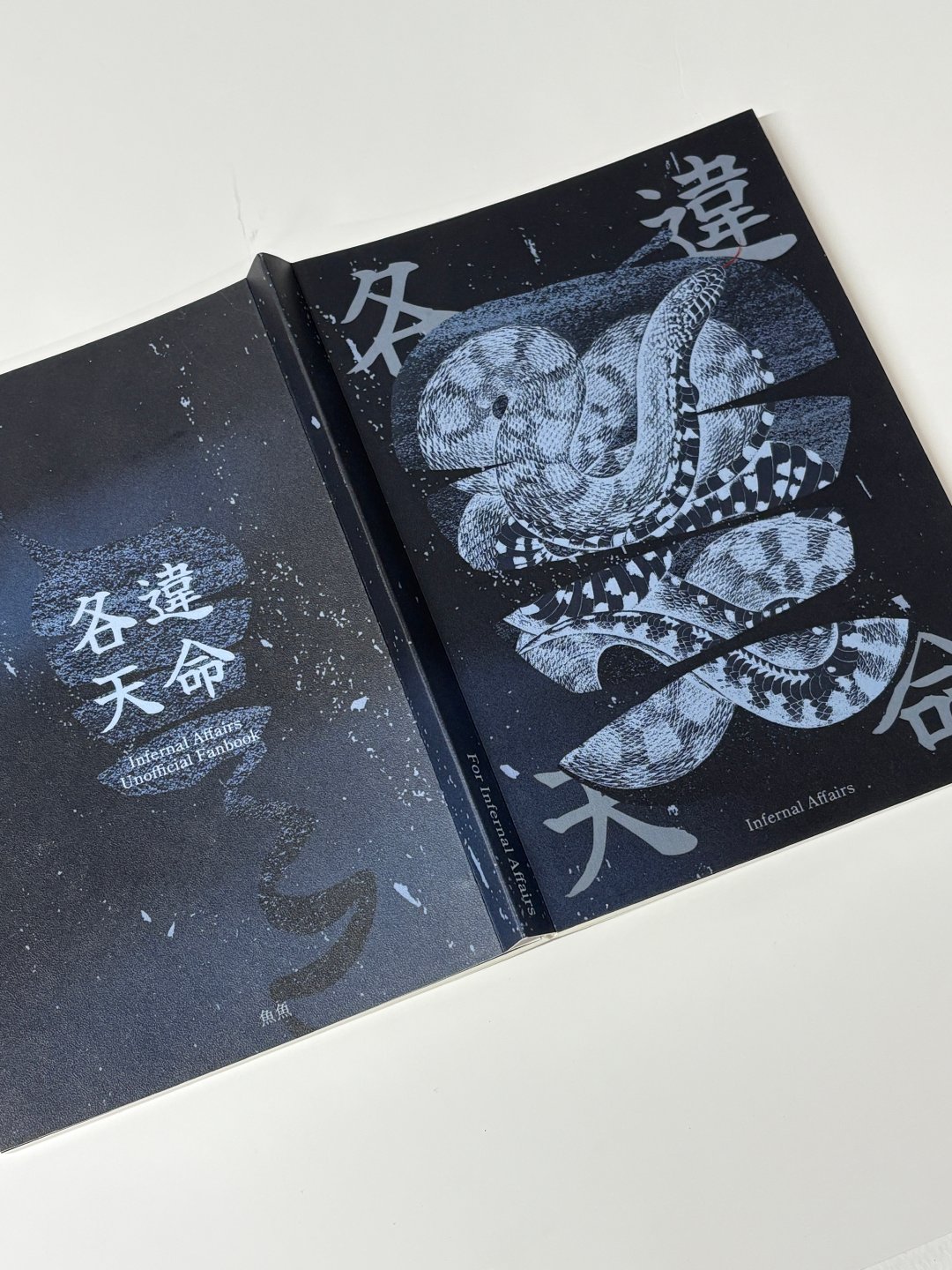
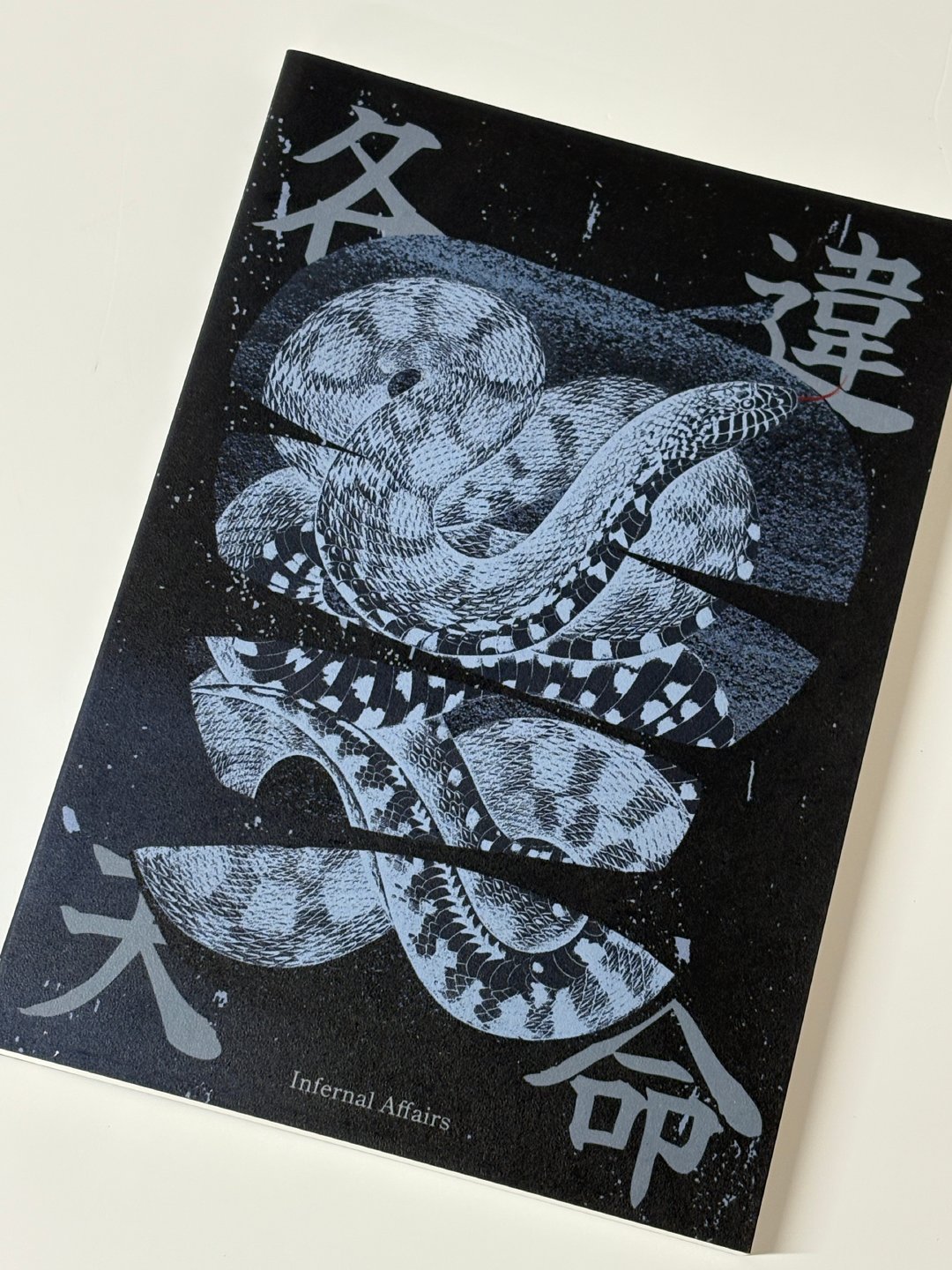
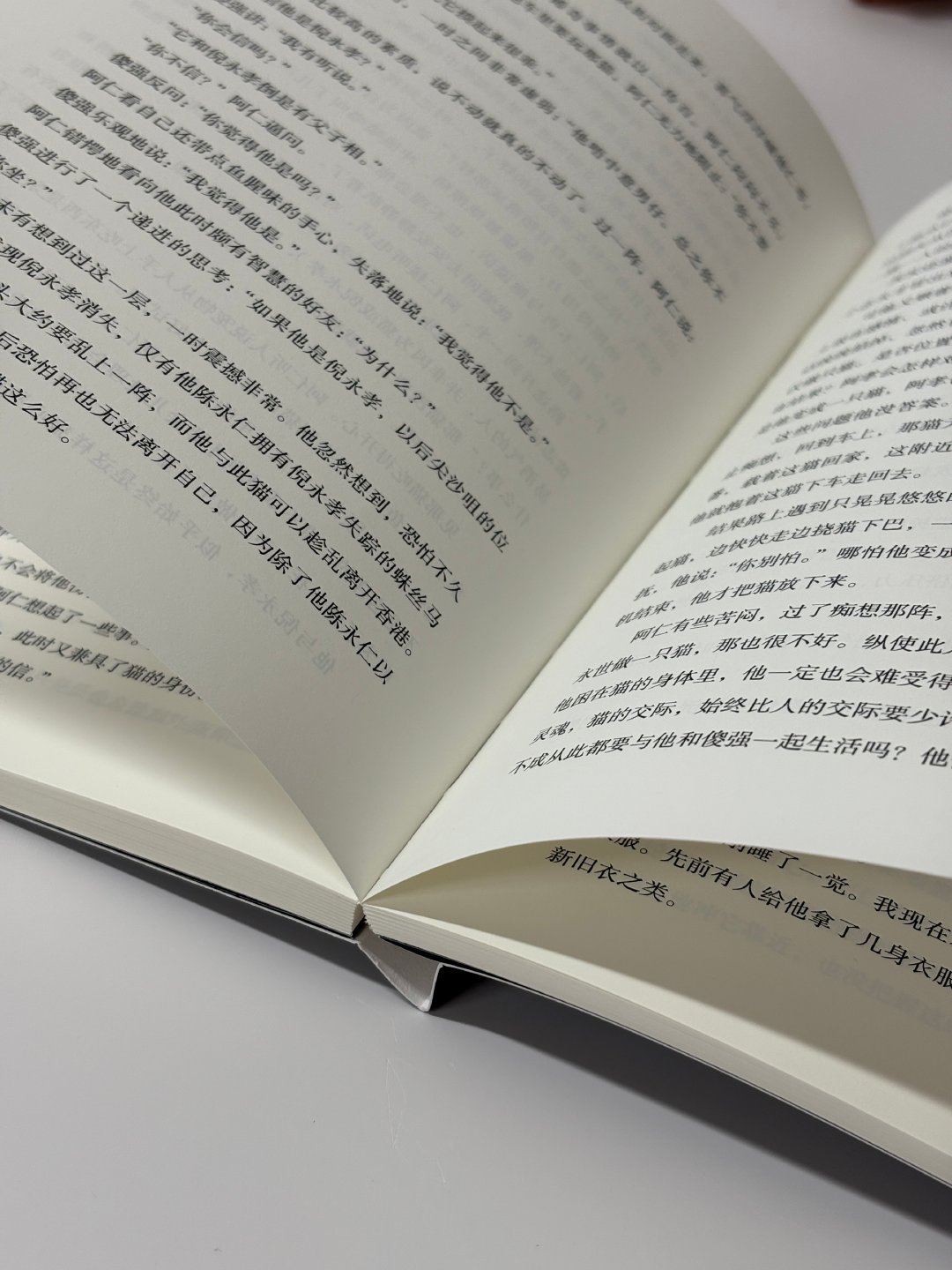
These three are still not from the final print run, and in fact they are sample copies from the printer I did not choose. I will swap them out later once I take proper photos of the real thing.
More next time.