This season when the grass is growing and the birds are loud, a surprising number of things have happened. Some of them were genuinely good. One of them was the biggest explosion in an otherwise calm year.
I had a terrible fight with my family
At the end of March, I had the worst conflict with my family that I’ve had in years. I don’t even know if “fight” is the right word. It felt more like both sides were venting grief in a very violent way.
The day itself had actually been nice. I met up with an online friend and we went to see I Saw the TV Glow's counterpart from earlier that day—no, first it was The Colors Within—then we sat in McDonald’s and chatted happily for a long time. I went home, put on I Saw the TV Glow, and with about twenty minutes left, I got a phone call.
I was talking with a family member. Right before hanging up, they said something utterly ordinary. They were even smiling when they said it, and I was smiling too, just going “mm-hmm, yeah,” and then I ended the call.
Rationally, emotionally, I would have said I could accept that sentence. But the second I hung up, I opened my laptop, went straight to ChatGPT, logged in, and my hands were shaking. Something was very wrong. My watch later showed that between 10:30 and 11:00, my stress level hit its highest point of the month.
I wasn’t talking to ChatGPT because I needed an answer. I needed somewhere I could tell the whole story from beginning to end. Social media couldn’t hold that kind of detail. Neither could talking to friends. I needed a place where I could lay out every word of the conversation, every implication, every tiny edge that seemed to demean me or demean my mother.
Looking back, maybe what I felt wasn’t panic. It was hurt. Deep hurt. I was typing everything out and then, with no warning at all, I started sobbing in front of the computer. I was crying so loudly I got scared people outside the room would hear, so I went back into my room and cried there.
Actually, more than crying, what I wanted to do in that moment was scream. Crying is familiar enough; screaming is a skill I’ve had far less practice with. I was so upset that while I was sobbing, there was more shouting in it than tears.
Afterward I thought for a long time and still ended up messaging my family. I regret that to this day. But after I saw the reply, I suddenly calmed down. I think I understood something very clearly: if someone wants to use the tragedies in their own life to hurt me, tame me, and extract love from me, then I simply can’t do it. Subjectively, emotionally, I can’t. And objectively, my body reacts faster than my brain does. My body starts screaming before my mind has even finished processing it.
I can’t do it. Not with that kind of physical pain, not with that kind of psychic pain.
My life had actually been pretty peaceful this year. This was the single biggest detonation in it.
I started going to the gym
Other than that, the other big development in March was this: I started going to the gym.
I’ve actually been very persistent about one thing for years, which is trying to build some kind of exercise habit. The problem is that I’ve never been able to make it stable. I bought dumbbells. I spent some time doing Ring Fit. I tried aerobic boxing and Just Dance. Even now, I still occasionally pick those up on my own. But I’ve never managed to exercise in a continuous, regular, reliable way.
A few days before the family fight, I visited a couple of gyms. I’d seen someone on my timeline enthusiastically recommend the elliptical, so I went to try it. After using trial passes at two different places, I got a monthly membership at a gym near my office. As of now it’s been almost a month—and the old theory remains true: once a month has passed, then yes, you really have done it for a month.

I still don’t have a very specific goal. Obviously I want to be healthier and more fit, but I haven’t set a number on the scale or a level of training I’m trying to reach. Lately my approach has been very much like walking a dog: if I have extra energy, I let it out; if I don’t, I don’t force it. My energy levels are extremely unstable. Having a lot today says nothing about tomorrow. The desire to exercise is the same way—wanting to work out today doesn’t mean I’ll want to tomorrow, and vice versa.
The result is that, for me, every day I do exercise is a day gained. If I don’t, then today just wasn’t the right day. That’s all. It sounds a little loose, maybe even lazy, but I’m genuinely not someone who benefits from putting pressure on myself. The things I’ve done well in life were never achieved through pressure.
Right now, incline walking and the elliptical are both still fun for me. I think on the second day of going to the gym I had already announced it to all my friends on stream, but I didn’t feel self-conscious about that at all. At this point in my life, I’m no longer embarrassed by “three-minute enthusiasm.” I already think of myself as long-term-minded in plenty of ways; if I don’t stick with something, the problem is usually that the thing itself isn’t right for me.
So even when Ring Fit and other equipment ended up sitting unused, I never interrogated myself about why I failed to persist. I only thought: if this kind of exercise couldn’t keep me, something about it must have been wrong. That’s just the kind of stubborn person I am.jpg
How I’ve been fitting exercise into my schedule
My current arrangement is simple: on weekdays, I go if I feel like it; on weekends, I usually don’t.
Most often I go during my lunch break to use the elliptical. I also tried setting aside two days for strength training, but strength training requires planning sets and movements, and I’m still not fluent enough at that. If I don’t have time in the morning to think things through, and I haven’t found the right follow-along video, and then lunch break is already short, I end up feeling weirdly frantic.
If your plan is clear enough, or the workout doesn’t require much thought, or you can just put on a video you know well and switch your brain off, then a multi-set workout can be done calmly and efficiently. But the minute you throw yourself off, time—which was already limited—suddenly feels even more insufficient. So after that I mostly gave up on doing strength work at lunch and just stuck to the elliptical and incline walking. Those require absolutely no mental startup. The only downside is that they’re more boring.
I do sometimes consider going in the evenings on weekdays too, but the chances are much lower. There are simply too many other things I want to do at night. Time gets hijacked by movies, meeting friends, and everything else. But if I skip two lunch-break workouts in a week, then the total amount of exercise becomes pretty meager, so lately I’ve been wondering whether I should add one weekend session while keeping the rest of the rhythm basically comfortable and a little lazy.
Lunch-break workouts have turned out to be surprisingly magical. I had always assumed that if I skipped a nap and exercised instead, I’d be exhausted in the afternoon. But after nearly a month, that hasn’t really happened. It’s different from the after-work state where it feels like life is over; after a morning of work, I usually still have enough battery left to exercise.
I usually eat a full breakfast, work out first at noon, and then eat lunch. I do sweat a lot, but not at the level of complete drenching—most people probably aren’t going that hard anyway. Afterward I wipe off, cool down a little, change clothes, dry my hair, eat something, and head back to the office.
Psychologically, going to the gym during lunch gives me a bizarre feeling of skipping class to sneak off and do something for myself. And because I’ve exercised, I often come back to my desk almost overexcited. Usually I spend the next two hours feeling absurdly energized, replaying the workout in my head and giving myself pep talks. Then, just around the time I’m supposed to really focus on work, I finally start getting sleepy.
So that’s where it stands right now. At this stage, the rule is basically: go happily when I want to; don’t go when I don’t. I had a Qingming holiday break, and then I missed another week because of period pain, but even so, I went 13 times in 25 days. Never mind intensity—just in terms of frequency, that’s already far more exercise than I used to get. And because going to the gym doesn’t currently feel like something I have to endure through pain, I’ve started thinking about maybe hiring a trainer next month.
That’s enough gym talk for now. Hopefully the next time I write about this, I’ll be a fitter person.
What I’ve been watching
Time for the entertainment section.
After several rounds of combat, I finally managed to install the fashionable NeoDB shortcode I wanted. The earlier failures turned out to be a Hugo version problem. I also changed the blog background and added some other little bits and decorations, so I’ve been happily tapping away at all of that too.

There were a lot of movies I wanted to see in March, and I did end up catching quite a few. It was a very happy stretch of theatrical releases. I also saw A Chinese Ghost Story in a cinema for the first time. The special effects are gloriously cheap, but I still had a great time. The song from it—“The Mortal Road / Dreams as Long as the Road”—is wonderful. Last year I saw Tsui Hark’s Green Snake in theaters, and compared with that, A Chinese Ghost Story feels less strange and seductive, more like a classic Liaozhai ghost tale.
I had also planned to see Operation Hadal—well, no, Fox Hunt—in April, but then I saw someone say it was so bad that it retroactively improved the historical standing of See You Tomorrow.
So I skipped it.
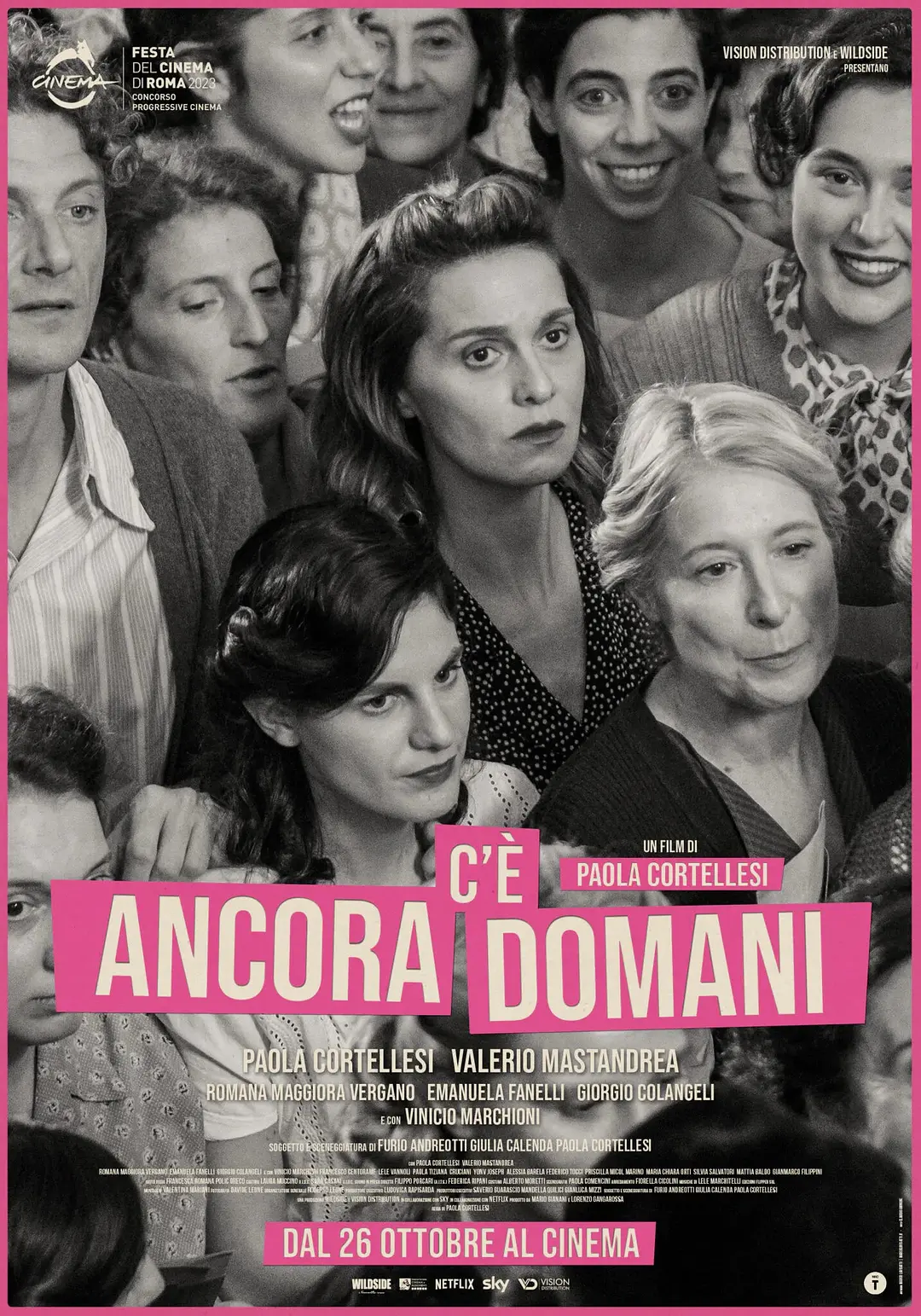
There’s Still Tomorrow
I’d expected this to be one of those relentlessly heavy women’s films, but it actually wasn’t, or not in that way. There are certainly scenes that are extremely painful, and there are quite a lot of domestic violence scenes or implications that could be triggering. But I loved it.
The funny parts are truly funny, and the music is excellent. In a theater, the experience gets amplified: there were scenes where you could feel the whole audience curling their toes from tension, pressure, and anxiety. At the same time, it felt as if the director was consciously trying not to create too much anxiety, though parts of it still had the opposite effect on me. Then the second half became genuinely hilarious in a way that made the whole audience laugh out loud, almost blowing the fear and pressure away together.
I loved Delia. She has that quality of an Italian woman with secrets, the kind of woman who, if she ever picked up contract killing as a side hustle, might be so careful, restrained, and cold that she’d never get caught in her life.
At the beginning I kept wondering what role the American soldier was supposed to play. Was he really going to take out a gun and kill the husband? Then there’s that moment when he stands in front of the café looking dazed and miserable while Delia, head wrapped up, goes home satisfied and starts sewing again, and I laughed out loud in the theater. It was so good.
This year I’ve repeatedly had the feeling that some movies really need to be seen in a theater. There are tiny, exquisitely funny moments I’m much more able to catch in a cinema; alone in front of a screen, even paying full attention, I might not laugh at all. My favorite moment may actually be that Sunday morning scene where there’s a very faint drumbeat, tense like the heroine’s heartbeat.
When the old man died, I first felt a flash of joy and then immediately a huge sympathetic anxiety—as if your blood pressure hits 220 right before you’re about to do something major. And when Delia says coolly, “Not today,” the audience burst into helpless laughter. Several times she nearly succeeds and then fails, and everyone reacted like that one viral video: wow! and then, oh… That whole rhythm was so funny. Her offering guests coffee, or telling someone it was “fine, perfectly motionless”—I found all of it hilarious.
On the way home, I kept thinking about how the film stages domestic violence. It reminded me a little of another film and the kind of male character who makes a room freeze over during dinner—not because he has to hit anyone, but because one angry “stop it,” one slap on the table, or one violent drop of chopsticks is enough to turn the whole house silent. That kind of atmosphere is much closer to the fear I knew in childhood.
What this film does feels very specific to a female director. Is the point of filming violence to make us pity women, fear more, despise the abuser more? Most of the domestic violence scenes here are muted. I kept bracing for the jump-scare crack of a loud slap splitting the air, but it never came. Cinema already has a thousand ways to show these familiar pains. By handling it this way—and then ending such a heavy subject with a dense run of jokes—the film, for me, dispersed fear rather than intensifying it. At least I didn’t walk out of the theater carrying fear with me.
I Saw the TV Glow
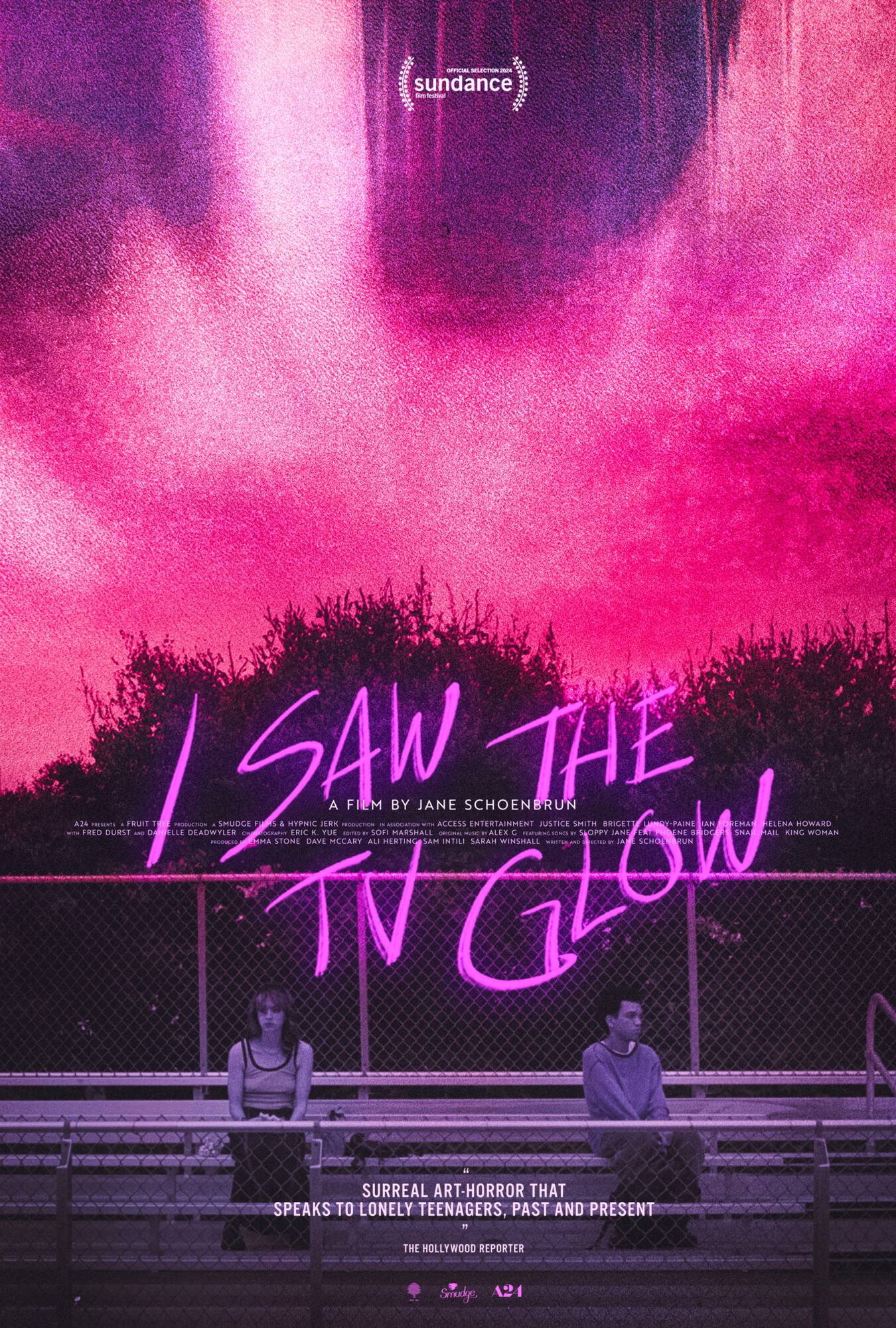
This may be the thing I’ve loved most lately.
The atmosphere, the storytelling, the music—everything is so good. I watched it as transfixed as Owen watching The Pink Opaque for the first time. I especially loved the shot of Owen in a pink dress under the moon. If only I, too, were one of those beautiful and powerful beings.
The performance of “feeling like a psychic wound” at the bar is incredible, and so is Owen’s reaction after seeing the last episode of The Pink Opaque. I cried hard after this one too.
Prima Facie
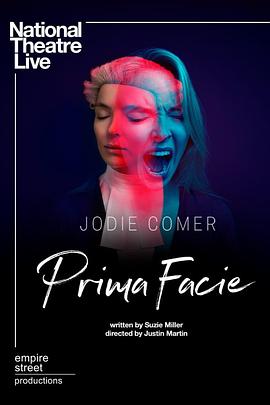
Jodie Comer is phenomenal—so forceful, so alive. Compared to her performance, I’m less convinced by the script itself. But the rainy-night sequence where she’s trying to find a cab to get to the train station is tremendously affecting. Afterward I mostly just felt: this hurts, I want to leave.
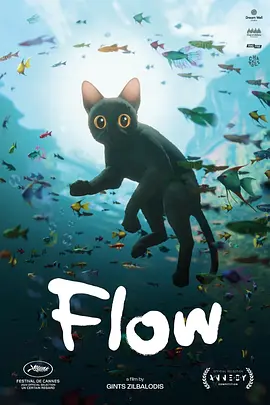
Flow
A fantasy travel story for a cat! If only it were actually that gentle.
The whole film filled me with a strong sense of helplessness. There’s something deeply upsetting about sudden catastrophe breaking everything open: the flood swallowing the cat’s little sleeping cabin, the cat stranded alone on top of that giant cat statue, powerless against the scale of it all. The pacing is excellent—it lets you breathe, then suddenly pushes your head underwater again.
The cat is so small, and everything else is so vast. The whale sequence, and the scene where the cat on the buoy encounters the upheaval of the earth, both inspired real terror and awe. The tectonic movement especially: the treetops rising from underwater, enormous trees suddenly exposing their full structure—thank you, this is basically horror.
I don’t mean that as criticism. Quite the opposite. I think it’s one of the film’s strengths.
And aside from that, I loved all the cat details: rubbing its butt against a statue while walking by, round frightened eyes and airplane ears at every little scare, randomly coughing up a hairball, sharpening claws, pouncing on tiny bits of light. Once soaked, it becomes this pitiful ugly little bag of bones, and the underwater kneading—god. Cat. Dear god, cat.
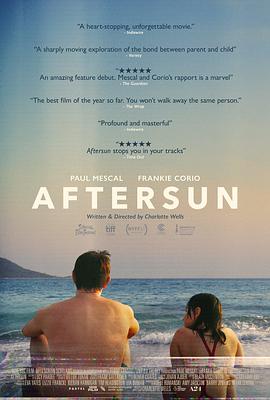
Aftersun
The two moments when Calum rewatches the footage, and that final shot where the photograph slowly develops beside his elbow—both of them devastated me. It feels as if joyful time becomes memory at the exact moment it is being lived.
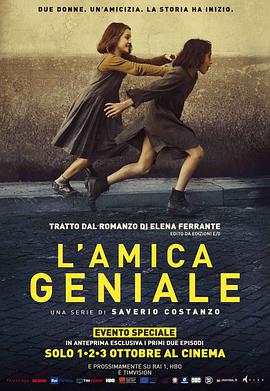
My Brilliant Friend, Season 1
I tore through the first season in a single Saturday.
I especially loved the scene where Lenù hugs Lila from behind while they read Little Women together and talk about the future and writing. And the older teenage Lila is just magnificent—so tough, wild, and hard. Every time she gives Marcello that look of absolute contempt, I lose my mind a little. Ferrante is just unbearably cruel to her—to both of them.
I also watched two seasons of Stranger, the spinoff Dongjae, the Good or the Bastard, and a pile of other shows over March and April. It was all a mess.
Sometimes I genuinely want to ask myself where all this time came from. The only consolation is that a lot of it was watched on the treadmill.
What I’ve been reading
I’m updating the books section after a very long gap. My enthusiasm for reading is a lot like my enthusiasm for exercise—it rises and falls suddenly. Lately it’s been on the high side. It also helps that my NeoDB tally is getting close to a round number, which has awakened a deeply unserious urge to hit KPI.
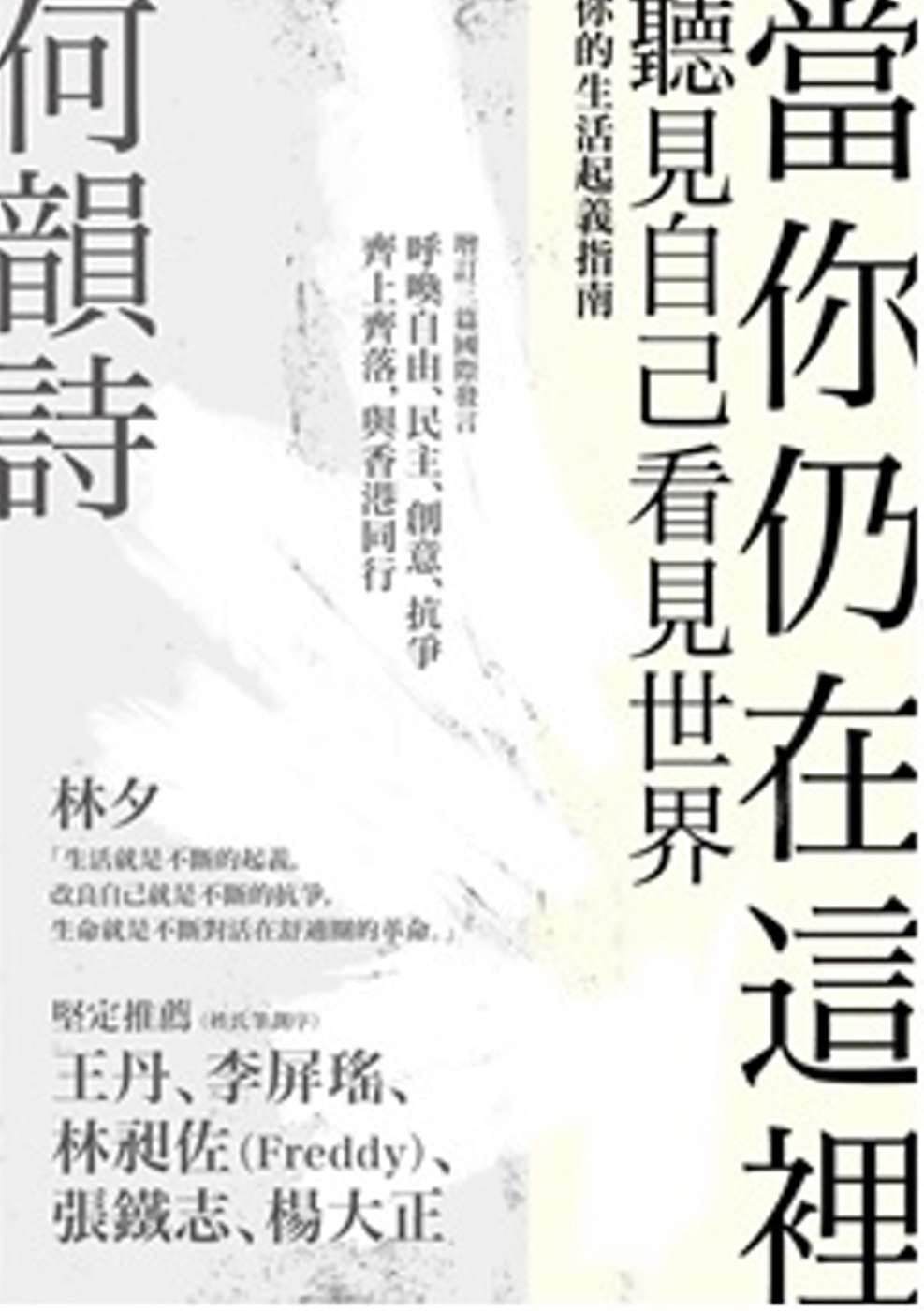
When You Are Still Here
The first half, about “seeing the world,” collects several speeches and has real force. Reading someone who personally took part in and was shaped by the Umbrella Movement is still moving. The second half, about self-care, feels thinner. Still, there are moments I found endearing—like the line about courage needing curiosity, only for it to suddenly detour into Googling how to make a favorite sauce. Fine. Cute enough to forgive. The part with the most value to me was probably the difficulty of being a creator.
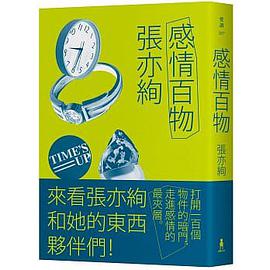
Objects of Affection
The essay about Li Wei-ching and fake two-piece tops is adorable: noticing a writer in a tabloid when young, continuing to care about her opinions afterward, knowing that she dislikes fake-layered clothes, and then nervously thinking, “Li Wei-ching will be there tomorrow, so I can’t wear one.” That line—“When you’re fond of someone, you develop a pointless tendency to indulge them”—is wonderful.
I also loved the ending with coffee with her grandmother, learning to tell time and blow bubbles; the way the book moves from giving cash to friends to childhood runaways, from fruit knives and blue skirts to suicidal impulses. For the author, these things seem as natural as limbs attached to the body.
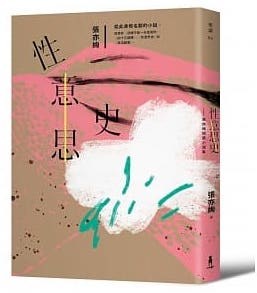
A History of Sexual Meanings
This is a novel about sexual violence, but somehow it’s the kind of book that leaves you feeling oddly buoyant and happy. The writing is incredibly lively. I kept laughing out loud at certain turns of phrase. Almost no one writes about girls’ sexuality—or even children’s sexuality—like this. It’s like children’s waists or children’s rights: things adults act as though don’t exist if they refuse to look at them.
I had a lot I wanted to say, but after reading the afterword letters I felt that other readers had already said so much. The parts that stayed with me most were about unequal sexual resources—differences in power, in strength, in social position. I also really loved the bread-buying story in the postscript.
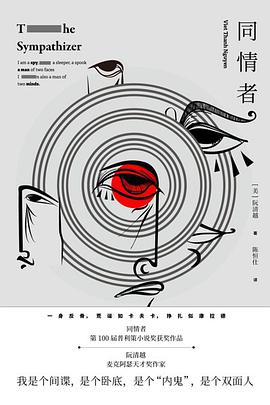
The Sympathizer
The first half is strong, especially the filmmaking section. Then, near the interrogation at the end, the question—“Why do revolutionaries fear revolutionaries? Aren’t we all comrades?”—and the line about no longer needing the French or the Americans to play with us because we can play with ourselves just as thoroughly were both painful to read.
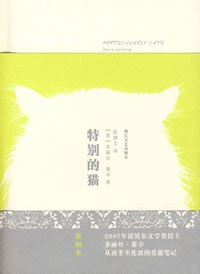
The Special Cat
I really disliked this one.
Maybe writing from an animal’s perspective always risks a kind of anthropocentrism, assigning animals human motives and interpretations. But then, at the exact moment when people know about neutering, know that reproduction causes animals suffering, suddenly “animal nature” becomes the thing to respect. I understand the historical and regional limits of the author’s perspective, and I know she did care for her cats. Still, reading so many scenes of cats being killed, injured, falling from balconies, getting hit by cars, litter after litter being born and then kittens being given away or killed—I just felt awful.
It made me want to say: when animals bring people feelings of love and comfort, humans write them as if they were people; when animals bring people inconvenience or pain, suddenly they drop back down to the status of livestock.
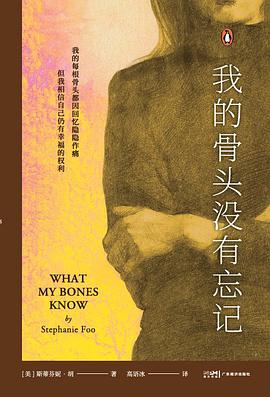
My Bones Don’t Forget
This was extremely readable and very well written.
The author tries countless forms of self-healing, only for everything to seem to circle back to the same point. She approaches trauma from intergenerational, ethnic, and gendered angles, tracing it over and over until numbness itself becomes part of the story, while its existence remains personal, pervasive, and permanent.
This was my first encounter with the concept of complex PTSD. When I read that childhood trauma may increase women’s risk of endometriosis by as much as 80%, I felt that flat, exhausted kind of despair—like: even after all this, this too has to come join in?
My favorite part was the final chapter on Covid. The world was collapsing, and that was precisely the moment when she did not spiral; it was as if PTSD had prepared her for exactly this. The book is so clear, balancing narrative and reflection in a way that makes the line of thought easy to follow. I finished it in a day.

She Is a Survivor
A very sad book, built around the author’s pursuit of her mother’s past.
There is a line that struck me hard: someone in the family tells the narrator a great family secret as if it explains the mother’s mental illness, as if her past were the answer rather than the question. I deeply admire the way the author had been trying to find the real answer since the age of fifteen.
My favorite chapters were the ones with the blackberry woman and the mushroom woman, and the ending section involving making fish.
I also couldn’t shake the sense that the translation diminished the book.
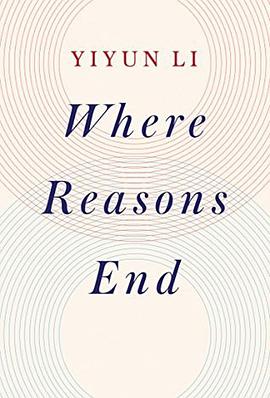
Where Reasons End
I also read Should I Go?, but I liked this one more.
I picked it up partly out of curiosity about the author herself. When people accuse her—accuse her of not having given her children a warm, bustling family life—I kept thinking about the conversation in this book between a mother and her dead child:
“Mommy, you know that’s a cliché.”
“What if life could be saved by clichés? What if life must be lived by clichés?”
I kept wondering whether there is another possibility: that a child might have the free will to reject that kind of life first, and turn instead toward thought. Maybe people simply cannot imagine that a child who had enough agency to choose death might also have enough agency to choose their own life.
I loved this book in the end. It’s deeply sad and also so good.
“You’re a good mother.”
“Not good enough to make you stay, I thought.”
I especially loved the conversations about “forever,” “nostalgic,” and “settle.”
How Will I Call You
This one was intensely triggering for me, and I couldn’t read it with any real objectivity.
It’s narrated from the perspective of a mother with a trans child, and I can understand why some readers would find it moving, heartbreaking, even beautiful. But for me it felt almost custom-built to hit a private wound.
Even though the story explains why, I still cannot understand why the fact that “your child is different from others” is experienced by some parents as a shattering tragedy, why difference itself becomes catastrophic. My mother has said to me on the phone: why can other families be happy while ours has to be like this? Why is difference such an unbearable pressure?
I have never, ever been able to relate to that. Do people reach the age of parenthood and lose all the courage they once had to be unlike everyone else, only to start pursuing a standardized kind of happiness? If love can only sustain me so long as I am the same as other people, but not when I am different, then I do not want that kind of love.
The heartbreak and tenderness of such a narrative can, in real life, very easily become coercion in the name of vulnerability and love. Am I really supposed to spend my entire life not becoming myself because your heart might break? When I finished the book, all I felt was pain. However much love was in it, I could feel just as much accusation.
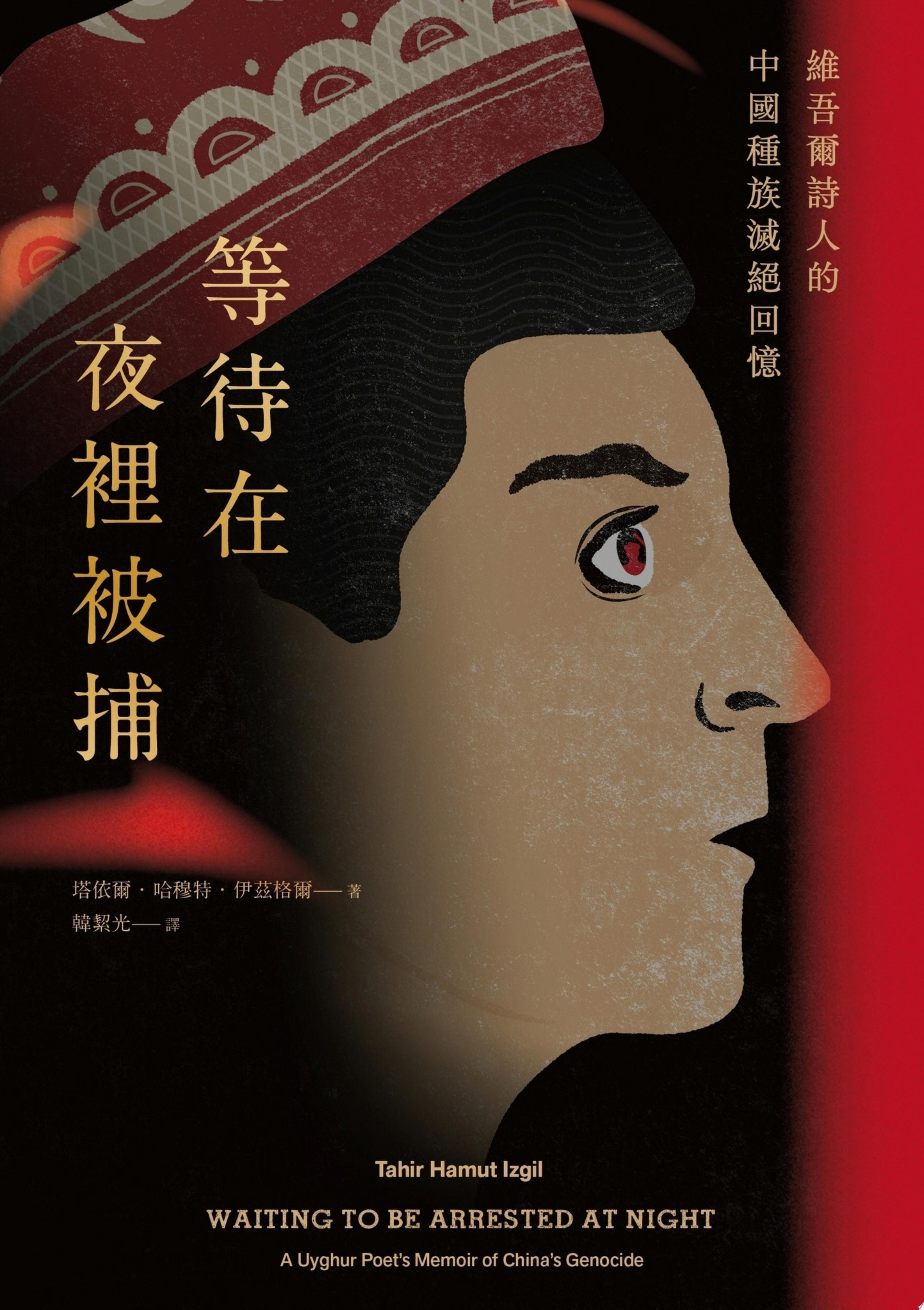
Waiting to Be Arrested at Night
This was unsettling and heartbreaking. The whole book is saturated with nearly unbelievable tragedy: searches of the Qur’an, religious leaders being forced to dance to a pop song, the suffering endured by the author’s relatives and friends after the author left China. It was very painful to read.
Hong Kong 101
A very good introductory book. The structure is gradual and clear, though I still wouldn’t say I fully understood everything. When it reached the section on executive power in the political system, I had the distinct sensation of being back in a classroom.
The Spirit Catches You and You Fall Down
An ethnography of Hmong life in America. I didn’t go in with high expectations, but it was so well written that I read it in one breath. While reading, I felt conflicted, angry, and often bewildered in the face of actions that made me think: how could they do that?
What stayed with me most was the idea that a life may be destroyed not by septic shock or by parents who do not follow medical instructions, but by cross-cultural misunderstanding. And the central question—life or soul?—is sharpened near the end by the doctor’s position: you have to fight for the most vulnerable person, and in this case that person is the child; the child’s interests matter more than the parents’ religion, because if she dies, she will never have the chance, twenty years later, to decide whether to accept or reject that religion for herself.
Reading about the mutual suspicions on both sides was also striking: Western doctors suspecting that Hmong people might eat the placenta, Hmong families suspecting that Western doctors might eat the organs they remove from the body. I practically yelped inwardly.
And other things
In March I also went to see the very famous stage play Chiang Kai-shek’s Face.
Chiang Kai-shek’s Face
This was the 555th performance, at Guangdong Arts Theatre. Next time I really should avoid this venue.
The play itself was quite good. A lot of it was lively and very funny, though afterward I felt slightly dizzy—there weren’t that many people on stage, but the dialogue was so dense that my brain got noisy from all the arguing. The lines I remembered most were mostly Xia Xiaoshan’s, because that character is almost offensively charming and funny: “You refuse to give Generalissimo Chiang face… but you’re willing to accept a favor from him?”
What I liked most was how well Mr. Shi was built as a character. The two revelations of his secrets both make him more dimensional—one involving help, one involving the accusation, “You voted against it!” Beneath the stubbornness there is self-interest, and behind the evasiveness there is also the line: “He killed my student.” Then Mrs. Shi appears after the drinking scene, practically stripping him down to his final layer.
One of my favorite scenes was the one where Xia Xiaoshan proposes going into storytelling. Also the line about “When did you learn to make such outrageous accusations?”—so many good comic moments.
There were no surtitles at this performance, so there were parts where I had trouble catching the words, but I completely understand why people love the play.
The theater itself was freezing. After watching it, I came home with a headache that lasted the whole weekend. Next time I really am not going back to that theater.
I also rewatched a season of Interview with the Vampire online with a friend over March and April. I’d seen it once already, but revisiting it gave me some new feelings, and watching together online was its own kind of fun. But if I keep going, this will get way too long, so I’ll save that for another time.
And the real reason I suddenly rushed to update this monthly log is simple: I’m about to be swallowed alive by Baldur’s Gate 3. If I don’t write April down now, there may not be an April entry at all.