The season without much fuel
For two months my mood sat very low. I had little drive to do much of anything. Even so, I kept moving and redecorating my blog. I already had one blog for fan works, and I decided to make a second, more private one for daily life. I learned a little about image hosting, sorted old photos, and put them there. A static blog, though, is really better suited to plain text. Once too many images pile up, it loads slowly.
I am, without question, someone who records life mostly through photographs. But photography is itself a kind of processing, and a photo can betray me and twist my memory. When I travel I research places in advance, then have no energy afterward to write a travelogue. Many feelings remain only in the lens that caught the moment; after that moment passes, everything that moved me in it, every detail, gets left behind. It is like a building whose edges fade as night settles. When I remember later, most of it is a blurry, incomplete impression, and even concrete details become strange inside a frozen image. A photograph is like an engineering drawing that reminds you of a structure, forcing you to rebuild a familiar façade inside an empty head, though the feeling is completely different. This is not a dream. My body really passed through that place, really walked there, and yet it feels more dreamlike than a dream. It hints that all the concrete experience we think we possess is destined to scatter, leaving only a vague feeling and a small, persistent tremor.
What I write privately in my notebook is more chaotic: irregular, illogical, occasional sleep-talk. I always chase some over-packaged form of expression instead of a clear, accurate way of describing reality. But language is an easy tool for deceiving the self. The smallest details of life need more plain statement.
In 2024 I want to try a blog that combines images and text as a replacement for traditional paper records. It does not really matter what I write or how long I keep at it. Writing should be unguarded, not a task. When the feel comes, it flows; when the缘分 runs out, there is no need to agonize over quality. If it also trains my thinking and self-expression, that is a bonus.
Small changes
I unlocked a new cooking skill and learned to use a steamer and a pressure cooker. Cooking question: is pressure-cooker food really still lazy-person cooking?
I sent and received some postcards and updated my profile with my interests and favorite things. I am looking forward to whatever interesting cards arrive next month.
The planetarium and the long ride to Lingang
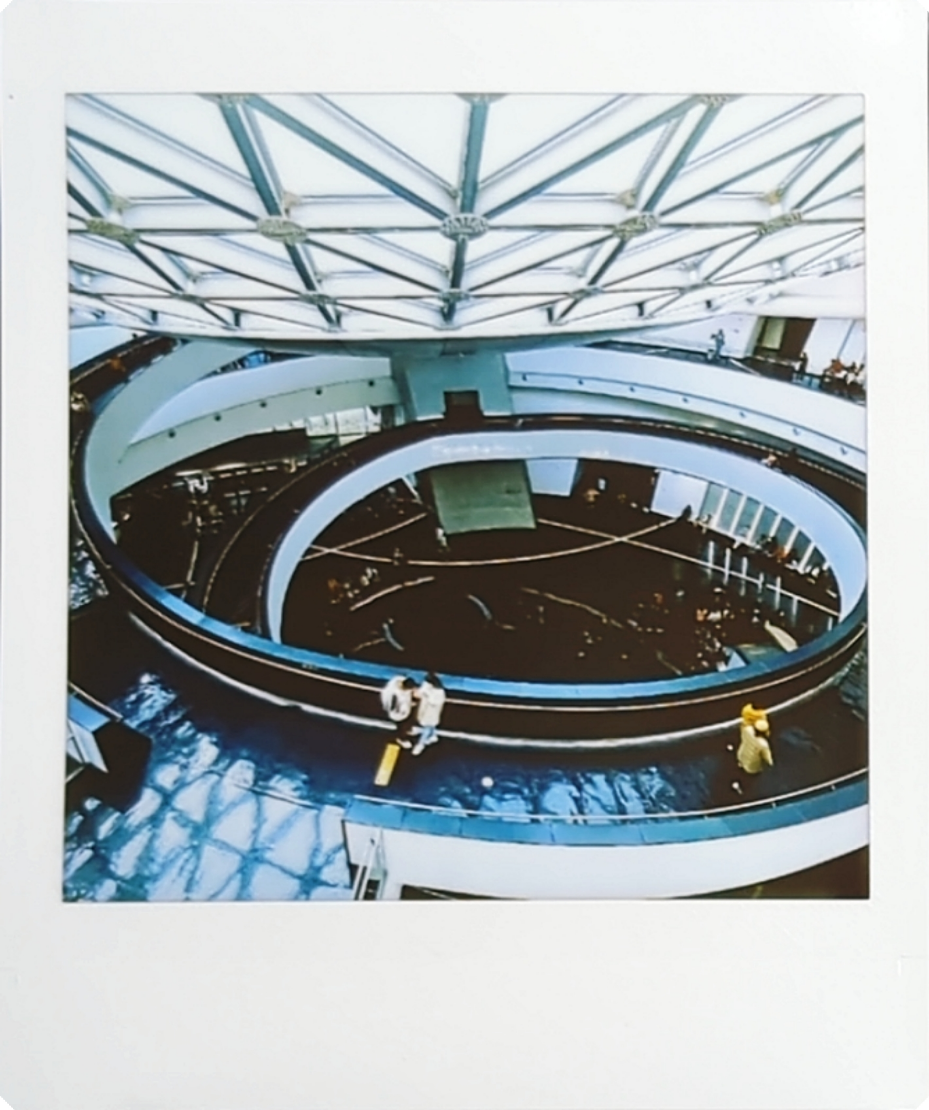
I managed to get a ticket to the Shanghai Planetarium, and I have complaints. Tickets have to be reserved through WeChat three days ahead, cost 40 yuan, and are always snatched up. The exhibition halls are packed, full of people bringing children. I was amazed that so many parents would travel all that way with kids, then spend money on overpriced, underwhelming things in the gift shop and restaurant. Lingang itself: Line 16 always seems to have half as many carriages as other lines, the distance is huge, and the stops are long. The express trains that stop only at major stations run at a few fixed times, and usually there are none after 4:30. With metro facilities worse than the city proper and pitifully few bus stops, the place mainly seems useful for building a university town and shutting students away, or for using the free-trade new area and hukou policy to lure people from other provinces. It is also on the front line for typhoons and rainstorms from July to September and for resident evacuations. The sea breeze in Lingang is lovely. Living there? No thanks. I heard there are already quite a few unfinished buildings.
Back to the planetarium: the dome theater film is really unnecessary. It is just a basic 20-30 minute science short. I lay back in my seat, nearly asleep, and suddenly remembered watching a dome theater in Dunhuang showing Mogao murals. Buddhist stories combined with flying apsaras and rotating murals had a splendid effect. I have rarely seen anything since that made my eyes light up in the same way, and few films are shown in dome format.
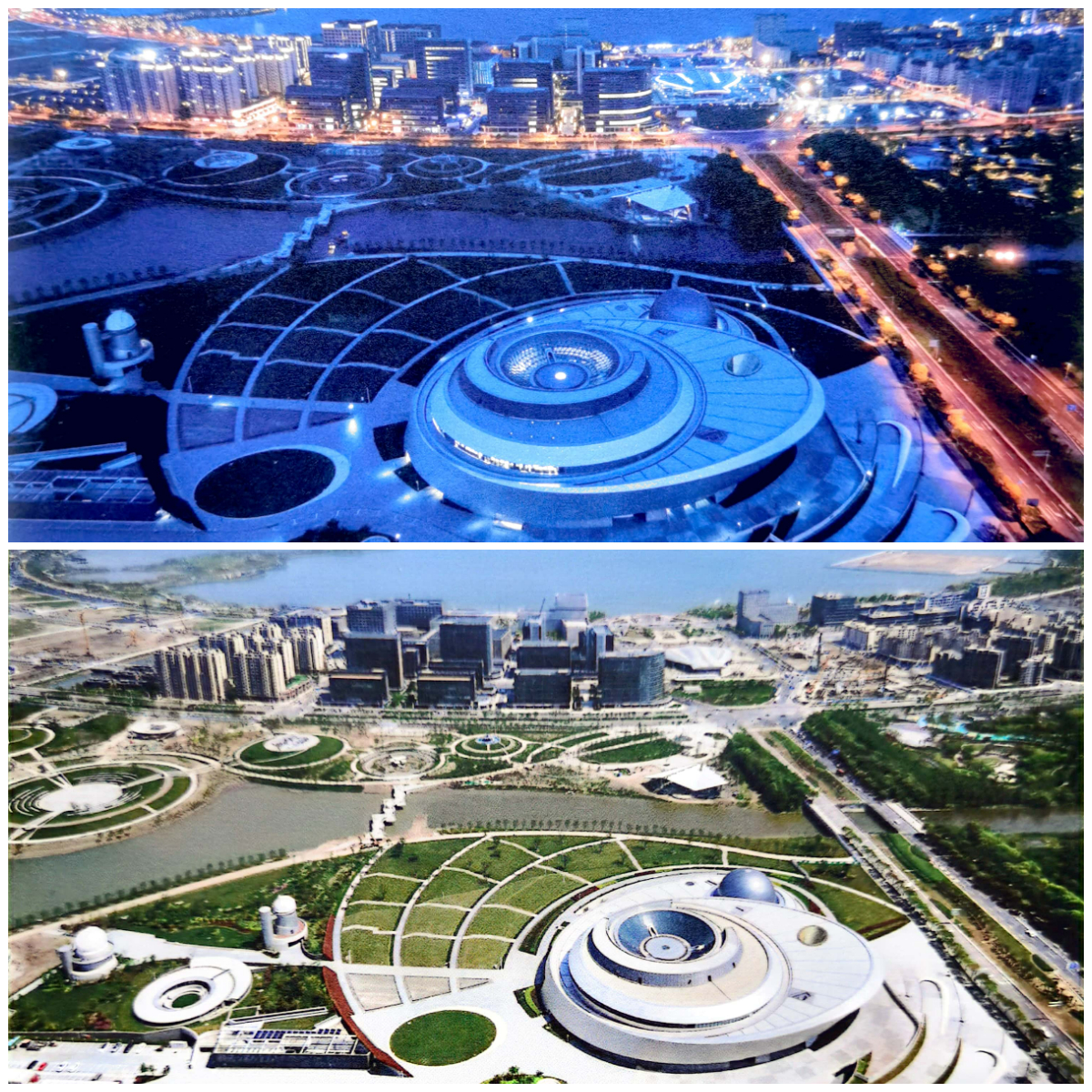
The gain was buying Shanghai Planetarium postcards. The images are somewhat fraudulent compared with reality, but they are genuinely beautiful. The same day I bought them, I drew two foreign postcard friends and sent them off.
Reading
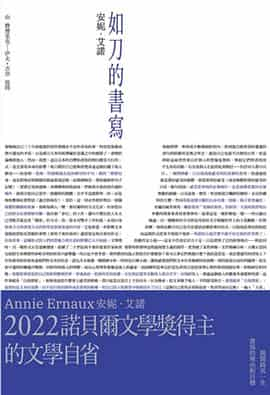
Annie Ernaux is a recorder of endless detail. I agree with her that what she writes can no longer be confined to the novel as a form. Labels for a work carry the stamp of their era, but the content and form keep breaking through the boundaries of the standard. She says the only challenge in her writing is to find the exact words, to make it vivid, to cast aside rhetoric, and to present only the truth that can be felt. For that reason I think her novels must face an enormous task in bringing past experience back onto the page: awakening that feeling. The gap between imagination and what actually lands on the page is always huge and subtle. To make her creation truly alive, the author has to choose and discard. The wish that every sentence carry truth is a terrible curse for a creator. The creator keeps adjusting the mode of narration to find a suitable effect, and may even suspend a moment forever and risk being swallowed by it. What is being written now is already the past, a dissociated and no-longer-light residue. In narrative technique, is the creator always summoning only a familiar recurrence?
That is why I was even more moved by her line that when literature becomes a continuous tool of exploration and a carrier of knowledge, it must be able to become a liberator. The journey of self-examination and memory is heavy and painful enough, but to sink into it and treat it as a mission for going on: that is the posture of a compassionate and free seeker.
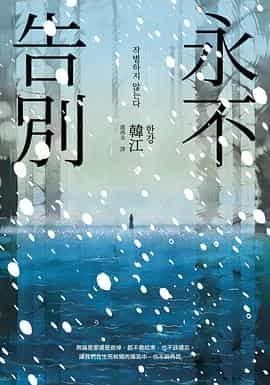
I was reading Han Kang's We Do Not Part, about the Jeju massacre. I needed to take it slowly.
Details that stayed with me: executions on the beach were timed so the tide would wash the bodies away and erase the traces as quickly as possible, clean enough to leave no blood. Shaking hands are a aftereffect of torture. Communists killed a few police officers and their families and fled into the mountains, but the two or three hundred villagers left in the village had to pay with their lives in revenge. Police lay in wait in the mountains to arrest ordinary people who secretly went to bury bodies; the torture methods were a legacy of the Japanese colonial period. To treat severed fingers, the stitched area must be kept from scabbing and made to bleed continuously.
I once saw a scene in a Korean film: the father of a student persecuted to death scatters his ashes by a frozen river, weeping. Under a harsh winter there is only a vast, bewildering whiteness, no trace left at all. That coldness and pale helplessness seemed to spread while I read We Do Not Part, like seawater silently swallowing bones. The author intervenes there, listens, searches. I seemed to see those few latecomers pursuing that history exactly as their predecessors did, trying to carry corpses on their backs, struggling out of seawater that rises to their knees, unable to trust anyone, desperately climbing toward a grave that even the tide cannot wash away.
Having fingers cut off is painful enough, so how much worse is being killed? But the ways people die seem endless. Perpetrators divide enemy from friend by ideology and raise the flag of killing, as if that can reduce the guilt of doing evil.
The author says people often describe things as light as snow, but snow has weight, like this drop of water. Some say light as a bird, but birds have weight too. I loved her metaphor of people and birds. This line is even better: birds do not have binocular vision, so they always move their faces to see the whole image. What do they want to see? Only shadows are left, and still they want to see something? People, too, are always on the side of the one-way gaze, trying to identify some form that once existed inside history that has been layered, covered, forgotten. How sad that is. In this world we should pay more attention to small things than to abstract grand concepts, because every lowercase person once carried vivid, irreplaceable historical memory.
Films
When I had free time I watched many films in a row. It really was the densest activity of the month. A few that stayed with me:
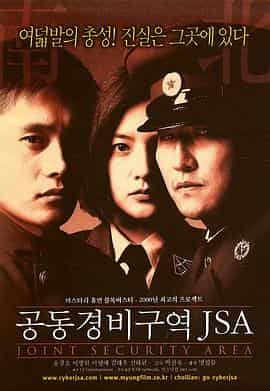
Joint Security Area: the storytelling is so fluid. Near the beginning the film lands a romantic blow in an unexpected place: a night scene in reeds where mines are buried and wind never stops. Later the reeds do burn. The image that stayed with me most midway is the slow-motion shot of a small figurine crushed under a military boot during a beating, the most vivid metaphor for human fate under war and politics. After watching, I felt strongly that the story is an impossible imagination. It beautifies and entrusts too much to its characters, and I genuinely doubt whether human nature can defeat the binding force of ideology in every era. Perhaps the director has the female lead pace back and forth on both sides of the warning line; that posture of wandering, lost in an unsolvable situation, is the true miniature of the divided peninsula.
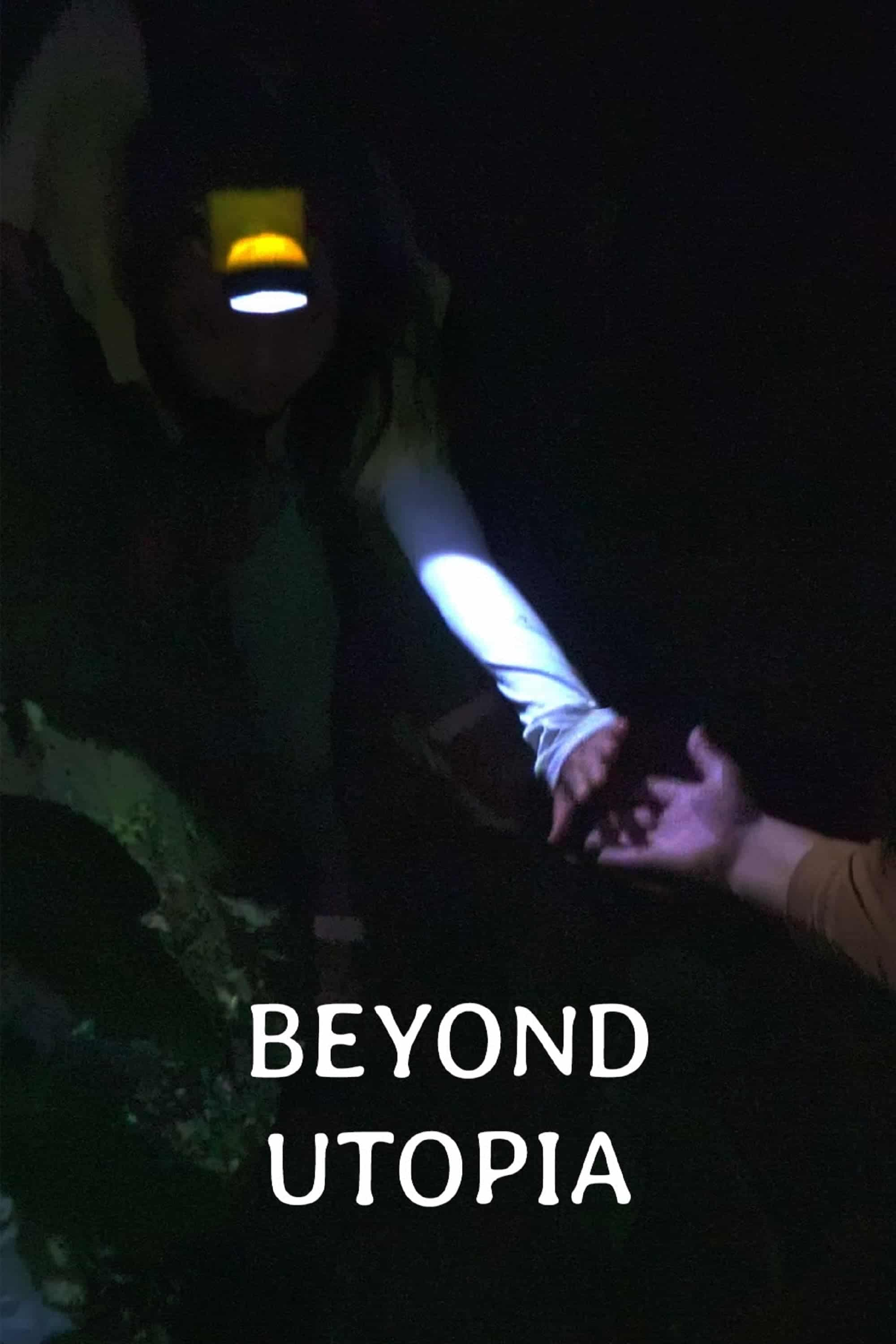
Beyond Utopia: a precious documentary perspective. I felt the fear suspended in a dark trek, the life-and-death struggle, and the shocking courage. At the same time I was ashamed of how little I had known about North Korea. On defectors and the history of the Korean Peninsula, China and all communist countries that cooperate in repatriating defectors are indisputably accomplices to the suffering of this peninsula people.
I generally avoid Douban comments on Korean works. Once North Korean human rights come up, a crowd of simplified-Chinese Nazis, totalitarian servants, and Soviet lovers attack defectors for smearing China, communism, the great leader, and the War to Resist America and Aid Korea. They defend an abstract system to rationalize indifference to living people. I have nothing to say. Perhaps an environment that has never affirmed the value of the human being is simply like this: no dialogue on the same frequency, no possibility of seeing rescue or healing. I feel these people are no different from the defectors who have just left the film; at the mention of the leader they still reflexively resist disenchantment. I think of the child experiment in Brave New World, regulated layer by layer by electric shocks and sleep-learning, becoming a member who settles comfortably inside a huge mechanism, without need for thought or doubt. But the premise is a carefully designed, highly mechanized environment with no room for free will. In reality, in a world less extreme than science fiction and still full of possibilities, people are still such malleable, word-dominated creatures, yielding to the limits of their own lives while blood flies around them. The earth seems to have repeated this with countless familiar cases. Forgetting may be a kind of animality. Only by truly thinking through what makes a human being human can one consciously use the tools at hand to fight the plague of forgetting. I should not have expected too much.
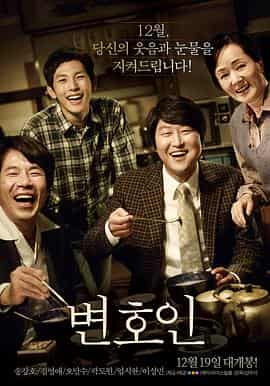
The Attorney: Koreans resisting military dictatorship with an egg against a stone meet history again in this film. If the Gwangju film was silent disappearance in darkness, this one shows the power of nonviolent struggle. What you feel is anger that rings out and no longer vanishes, a small connection that shakes the heart. By that alone, nonviolent protesters are far stronger than the clowns who abuse power and violence on the stage of history. This courage and protest, which includes the smallest people, will be passed on endlessly.
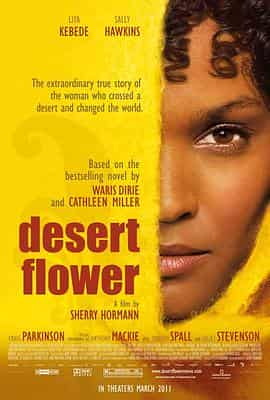
Desert Flower: a film I should have seen long ago. The color and camera work are really good. What moved me was Waris's repeated beautiful and terrifying courage in escaping. Whether climbing barefoot over jagged mountain roads to escape forced marriage, crossing cracked and sun-scorched land, deciding with a passport to stay in a foreign country and struggle, walking into a hospital to settle accounts with her mutilated life, sacrificing and transforming herself for a modeling career, or fighting old customs alone after becoming famous: she was lucky enough to meet people along the way who could support and help her, and brave enough to seize every chance to change her fate. Most important, once she made up her mind, she never looked back.
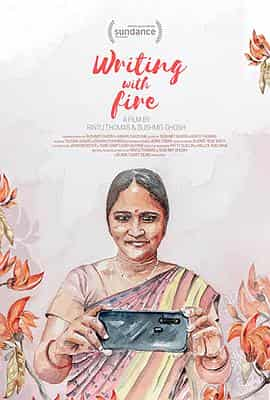
Writing with Fire: journalism is the cornerstone of democracy. That sentence carries real weight. The irony is that this is an era in which that sentence must be constantly re-examined to re-establish the common sense of democracy.
The Dalit women's action really made me cry. I had seen Aamir Khan's Satyamev Jayate before. What I remember most is a Dalit woman scholar who, while studying at university, had feces thrown at her door by people who did not welcome her, because this caste is widely regarded as the laboring group that handles human waste, so many parts of India lack proper sewer systems. In rural areas Dalit women may not even have the right to enter public toilets and have to go into the woods. More than once I have wondered what such a country and society could possibly offer that would make it worth their effort to participate. But they really are pouring their hearts into change. They are the true mayflies shaking the tree, making most of the world's polished, word-playing power-flatterers ashamed.
Later I thought maybe some women are born to be escapees, and some are born to stay. Either way it is an all-in posture, a confrontation with the whole world in one's life.
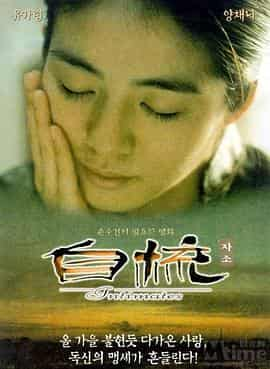
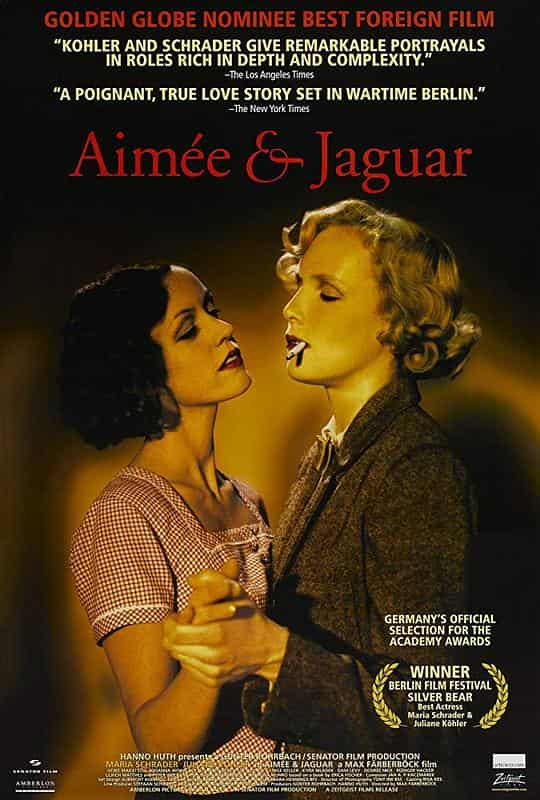
Intimates and Aimée & Jaguar: two lesbian films beautiful to the extreme. I can ignore the plot flaws.
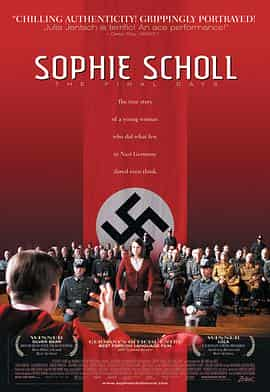
Sophie Scholl: The Final Days: I felt that the girl distributing leaflets in The Wave was paying tribute to the White Rose in history.
What is interesting is that the Nazis executed people with the guillotine. I once read a popular science piece saying the guillotine was not abolished until 1977. I had assumed it was much earlier. The illusion of time adds another layer of surrealism.
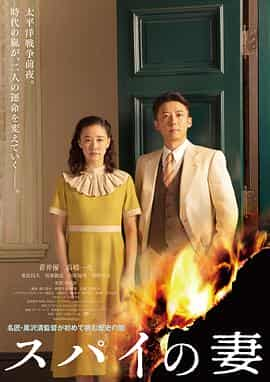
Wife of a Spy: a Japanese anti-war film. How to film the cruelty of totalitarianism in the most restrained way? Intercut shaking, silent film; pulled-out nails placed one by one in an acquaintance's palm; moving shots that simulate a surveillance perspective. For some reason I felt the female lead in the last part was the only clear-headed person, and the shot of her walking away through burning war was beautiful. The crying by the sea at the end felt like a weak ending. I mean, I really dislike that image. In narratives of nation and family, women are always the sacrificed weight, and the tragic scenes are always left to women. Why could she not cut herself off from all of it more decisively? #probably because a man directed it
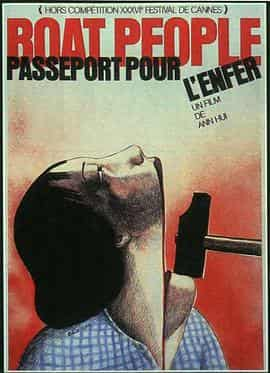
Boat People: so radical. It also tells the tragic fate of escapees, but it is much bloodier. I felt it conveyed despair. It made me want to see more Vietnamese films.
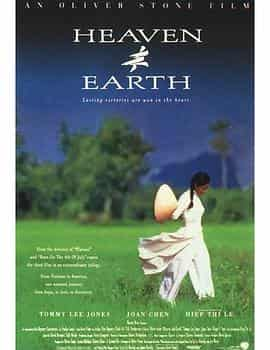
Heaven & Earth: if I wanted Vietnamese films, I could not miss this one. An epic work of disenchantment. Many shots are excellent. Through a female perspective it shows the differences between worlds on different sides, though for me there was not much difference in the end. Women in wartime are often sacrifices, trophies, or trade goods for every camp and every man, which is why I cannot understand women who are not anti-war. It is strange to demand that women follow the morality and ideology of a patriarchal nation-state. I am glad Le Ly is an individual who escaped that narrative; because she is outside its moral framework, the film actually achieves a grandeur that crosses camps and time. But Stone got one thing wrong: that deep, vast, silent, firm compassion for life is not bestowed by the Buddha. It is shared by women who have always borne suffering.
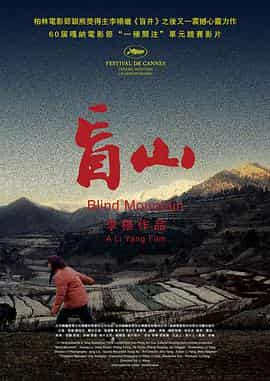
Blind Mountain: it is really hard for me to watch any mainland film with bright songs and magnificent landscapes. Most rural works only remind me again and again of the long history of women's enslavement in the land of Confucian patriarchy. I once saw someone share mountain photos on Xiaohongshu, and many comments said they were traumatized just looking at them. I deeply understand why trafficked women find it so hard to escape: those towering mountains are endless despair standing in front of them. When male backpackers roam the world and dream of using heaven and earth as their bed, women have to pay for the fear of being trafficked, raped, or killed that hangs forever over them while they stop to admire natural scenery. For this reason alone, I believe women experience their existential crisis earlier than men ever do.
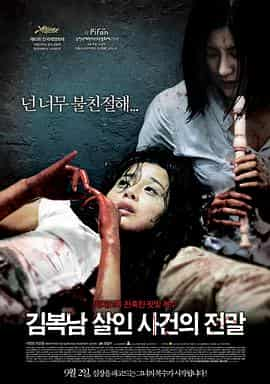
Bedevilled: the Chinese woman is sold and the ending muddles through; the Korean woman is sold and the ending is kill, kill, kill. Satisfying, but not quite satisfying enough. The director leaves many details that grow more disturbing the more you think about them, and the depiction of human evil is very realistic. Unlike Bok-nam's murderous accusation, the ending has Hae-won's lying body softly dissolve into the shape of a mountain, as if it were a silent accusation against the world, a graveyard where women are nurtured and then eaten clean. For the rest of her life she will be destined to carry this sin, perhaps enduring it, perhaps entering a clear-eyed madness.
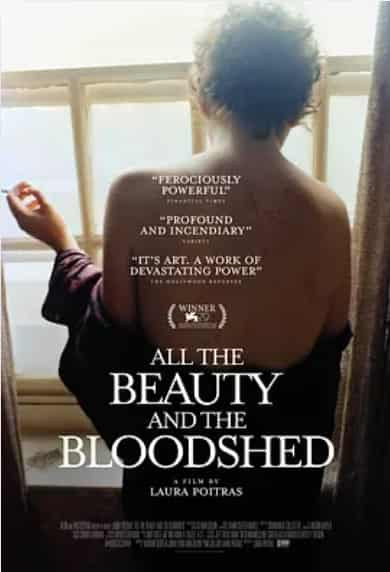
All the Beauty and the Bloodshed: the way that era recorded things attracts me so strongly. The film combines film photography and digital imaging into something perfect, and this method also metaphors the intense intersection of past and present. A woman's story of resistance also captures the marginalized lives cast out of mainstream twentieth-century America. What impressed me was her view that compared with her immersive way of recording society, the expressive method of New Wave cinema is class-bound. It is true. Looking at Nan Goldin's The Ballad of Sexual Dependency, what you see is a realistic, mixed, differential posture of life. Nan Goldin's lens returns the photographed person's own value and redefines art. I really like it.
Other
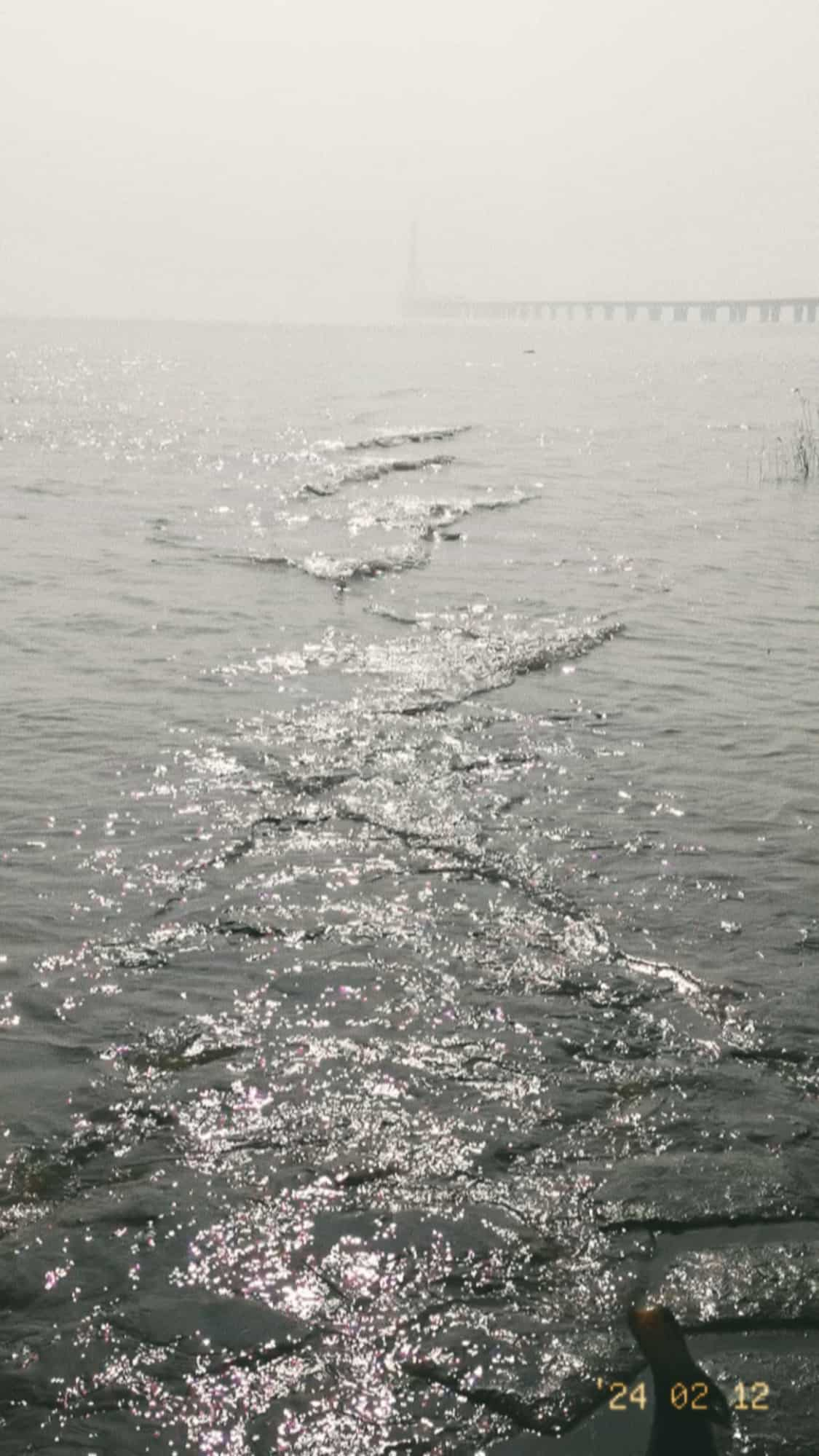
If you go to the end of the dam at the Yangtze River estuary at noon, you will see the water on both sides interweaving and rippling, glittering under the sun. Sometimes fish are washed up there too...